
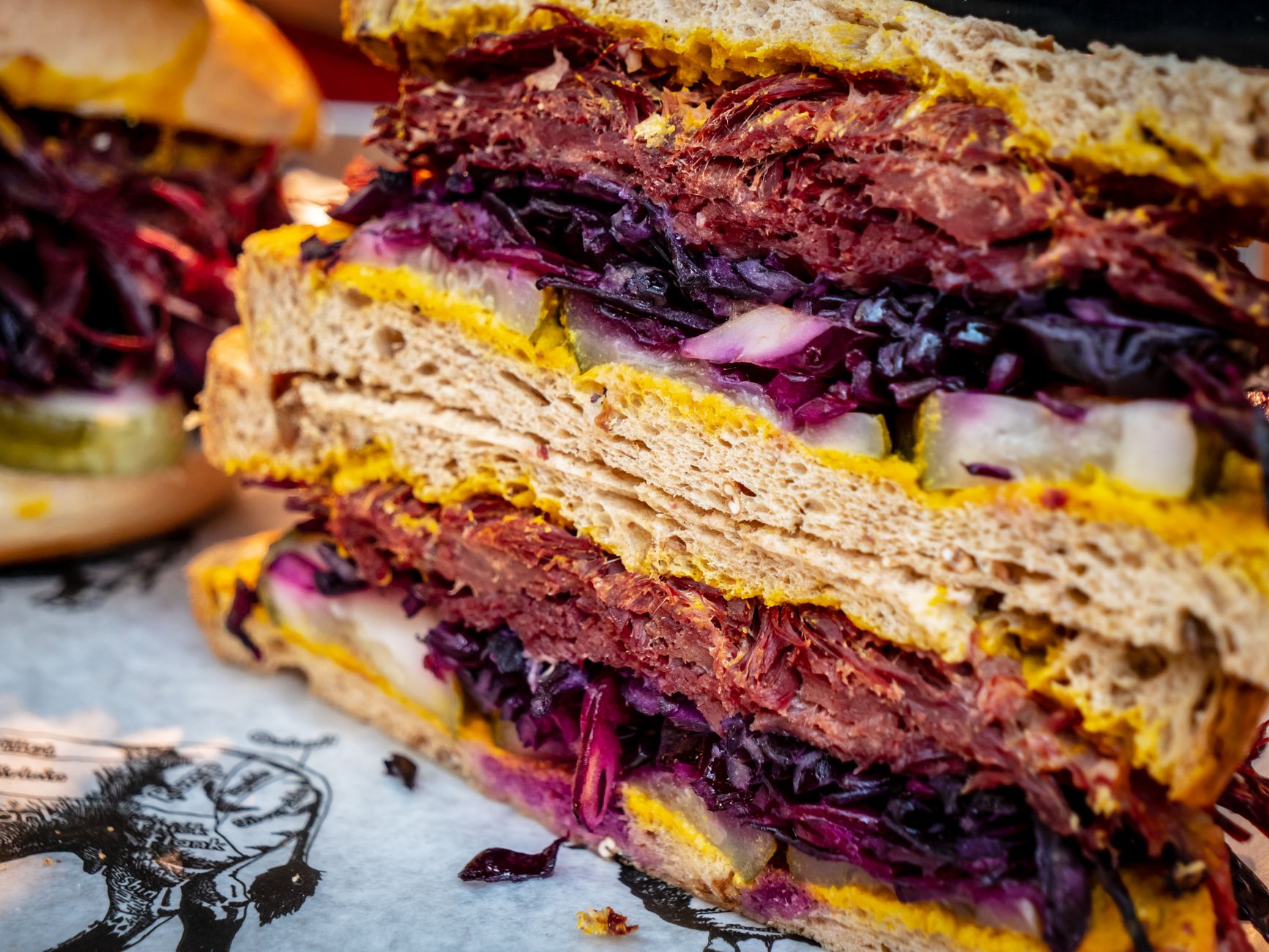
Pittsburgh is known for its rich culinary heritage, which reflects the city’s diverse population and industrial history. Nestled at the confluence of three rivers, Pittsburgh has fostered unique dishes and food traditions that capture the essence of its culture and community.
From the popular Primanti Brothers sandwiches to hearty pierogi, this city offers a delightful array of flavors that reveal what Pittsburgh is truly known for. Whether you’re cooking at home or exploring local eateries, understanding these food traditions can enhance your culinary experience.
What Is Pittsburgh Known For?
Pittsburgh is primarily known for its distinctive food culture that includes the iconic Primanti Brothers sandwich, a range of Eastern European staples like pierogi, fresh produce from local farms, and a thriving craft beer scene. The blend of historical influences shapes both home-cooked meals and restaurant offerings.
The Iconic Primanti Brothers Sandwich
When discussing Pittsburgh cuisine, one cannot overlook the famous Primanti Brothers sandwich. This handheld meal features layers of meat, cheese, coleslaw, tomatoes, and fries packed between two slices of thick Italian bread. The combination may sound unusual, but it works harmoniously to deliver a satisfying bite.
History of the Primanti Brothers Sandwich
Originating in the 1930s, the Primanti Brothers sandwich was a late-night staple for truck drivers and workers. It has become a beloved dish that embodies the working-class spirit of Pittsburgh, making it a must-try for anyone visiting the city.
Making Your Own Primanti Brothers Sandwich
Creating a homemade version of this iconic sandwich is quite simple. Here’s what you’ll need:
- 1 loaf of Italian bread
- 8 ounces of deli meats (e.g., pastrami, salami, or turkey)
- 4 slices of provolone cheese
- 1 cup of coleslaw
- 1 medium tomato, sliced
- 1 cup of French fries (store-bought or homemade)
- Salt and pepper to taste
Preparation Steps
- Begin by toasting the slices of Italian bread until golden brown.
- Layer the sliced meats on one slice of bread, followed by provolone cheese.
- Add the coleslaw and tomato slices on top.
- Finally, pile on the French fries and season with salt and pepper.
- Top with the other slice of bread and press down gently.
- Serve immediately, sliced in half for easier eating.
Variations and Substitutions
If you wish to adapt the sandwich, consider these variations:
- Vegetarian version: Substitute meats with grilled vegetables or portobello mushrooms.
- Alternative toppings: Add pickled jalapeños or sautéed onions for extra flavor.
Pierogi: A Taste of Eastern Europe
Pittsburgh’s culinary landscape is also significantly shaped by its Eastern European heritage, particularly through the beloved pierogi. These dumplings are typically filled with a variety of ingredients, including potatoes, cheese, sauerkraut, and meats, serving as a perfect illustration of the city’s cultural history.
The Origins of Pierogi in Pittsburgh
Pierogi were brought to the region by Polish immigrants in the late 19th and early 20th centuries. Over the years, they became a staple in many Pittsburgh households and restaurants, often served with sautéed onions or sour cream.
Making Homemade Pierogi
Making pierogi from scratch can be a rewarding endeavor. Here are the basic ingredients to create traditional potato and cheese pierogi:
- 2 cups all-purpose flour
- 1 large egg
- 1/2 cup water
- 1 teaspoon salt
- 2 cups mashed potatoes
- 1 cup cottage cheese or shredded cheddar cheese
- Butter and onions for sautéing
Preparation Steps for Pierogi
- In a mixing bowl, combine flour and salt. Make a well in the center and add the egg and water; mix until a dough forms.
- Knead the dough on a floured surface for about 5 minutes, then cover and let it rest for 30 minutes.
- Prepare your filling by mixing mashed potatoes and cheese until smooth.
- Roll out the dough to 1/8 inch thickness and cut circles with a 3-inch cookie cutter.
- Place a spoonful of the potato filling onto each dough circle. Fold and pinch the edges to seal tightly.
- Boil a pot of salted water, then drop in the pierogi and cook for about 5 minutes or until they float.
- In a skillet, sauté butter and onions, then add the boiled pierogi to the pan and fry until golden brown on both sides.
Tips for Making Pierogi
Here are some tips for a smoother cooking experience:
- Ensure the filling is cool before filling the dough.
- Work in batches to avoid overwhelming your workspace.
- If freezing, ensure they are laid flat on a baking sheet before transferring them to a freezer bag.
Hearty Meats and Meaty Stews
Pittsburgh’s history as a steel town contributes to its love for hearty meats and stews. Meals often feature influences from various immigrant cultures that embraced robust flavors and simple ingredients.
Pittsburgh-Style Roast Beef
One traditional dish is Pittsburgh-style roast beef, often braised with savory herbs, served with mashed potatoes, and complemented by rich gravy.
Preparation of Pittsburgh-Style Roast Beef
The ingredients list for a delicious roast beef includes:
- 3-4 pounds beef roast (chuck or brisket)
- 2 tablespoons olive oil
- Salt and pepper
- 1 onion, chopped
- 4 garlic cloves, minced
- 2 cups beef broth
- Thyme and rosemary to taste
Cooking Steps
- Preheat the oven to 325°F (160°C).
- Heat olive oil in a large Dutch oven over medium-high heat. Season the roast with salt and pepper and brown on all sides.
- Add onions and garlic, cooking until fragrant.
- Pour in beef broth and add herbs.
- Cover and roast in the oven for about 3-4 hours, or until the meat is fork-tender.
- Let it rest before slicing and serving with gravy.
Alternative Cuts and Techniques
If you want to try variations, you can use different cuts of beef or adjust the herbs based on flavor preferences. Slow cooking yields the best results.
Local Love for Craft Beer
The craft beer scene in Pittsburgh has flourished in recent years, with many local breweries offering a wide range of styles from pale ales and IPAs to stouts and lagers. The city’s passion for brewing mirrors its rich industrial past.
Exploring Pittsburgh Breweries
Popular breweries often showcase diverse flavors, making it easy to find something to pair with your favorite Pittsburgh dishes. Breweries like The Church Brew Works and East End Brewing Company are celebrated for their unique offerings.
Pairing Craft Beer with Pittsburgh Cuisine
When enjoying Pittsburgh-style meals, consider these craft beer pairings:
- Primanti Brothers Sandwich: A crisp lager complements the hearty sandwich well.
- Pierogi: Try pairing the dumplings with a rich amber ale.
- Roast Beef: A robust stout can enhance the flavors of savory beef.
Fruits and Vegetables: Pittsburgh’s Local Produce
Pittsburgh’s surrounding farms provide a bounty of fresh fruits and vegetables. Seasonal markets highlight local produce and reflect the flavors of the region. Understanding the seasonality of ingredients can elevate your home cooking.
Visiting Local Farmers’ Markets
Local farmers’ markets are an excellent way to source fresh ingredients. Look for markets featuring local produce, homemade goods, and artisanal items. This supports local farmers and enhances your meals with fresh, seasonal flavors.
Seasonal Produce Guide
Here’s a seasonal guide to help you navigate local produce:
- Spring: Asparagus, radishes, and strawberries.
- Summer: Tomatoes, sweet corn, and peaches.
- Fall: Pumpkins, apples, and squash.
- Winter: Root vegetables like potatoes, carrots, and cabbage.
Collective Culinary Events and Celebrations
Pittsburgh is known for its food festivals and events celebrating local cuisine. These gatherings provide opportunities to sample a wide variety of dishes and learn more about the city’s food culture.
Popular Food Festivals
One of the notable events is the Pittsburgh Food Truck Festival, where local food trucks showcase everything from sophisticated gourmet meals to comfort food classics. The Pittsburgh Pierogi Festival also celebrates the city’s fondness for this beloved dumpling, attracting many attendees each year.
Tips for Enjoying Festivals
- Arrive early to avoid long lines.
- Bring cash, as some vendors only accept cash payments.
- Sample a little bit from many vendors to make the most of your experience.
Conclusion
Pittsburgh’s culinary identity is truly a reflection of its rich history, cultural diversity, and local agriculture. By exploring classic dishes like the Primanti Brothers sandwich and pierogi, and enjoying the local craft beer scene, you’re sure to experience the heart and soul of this vibrant city’s food culture. Try your hand at these recipes, seek out local markets, and indulge in Pittsburgh’s flavors as you dive into its culinary delights.
For more delicious ideas, explore these recipes and cooking tips: try making Corn Pone or a comforting Philly Cheesesteak Casserole.