
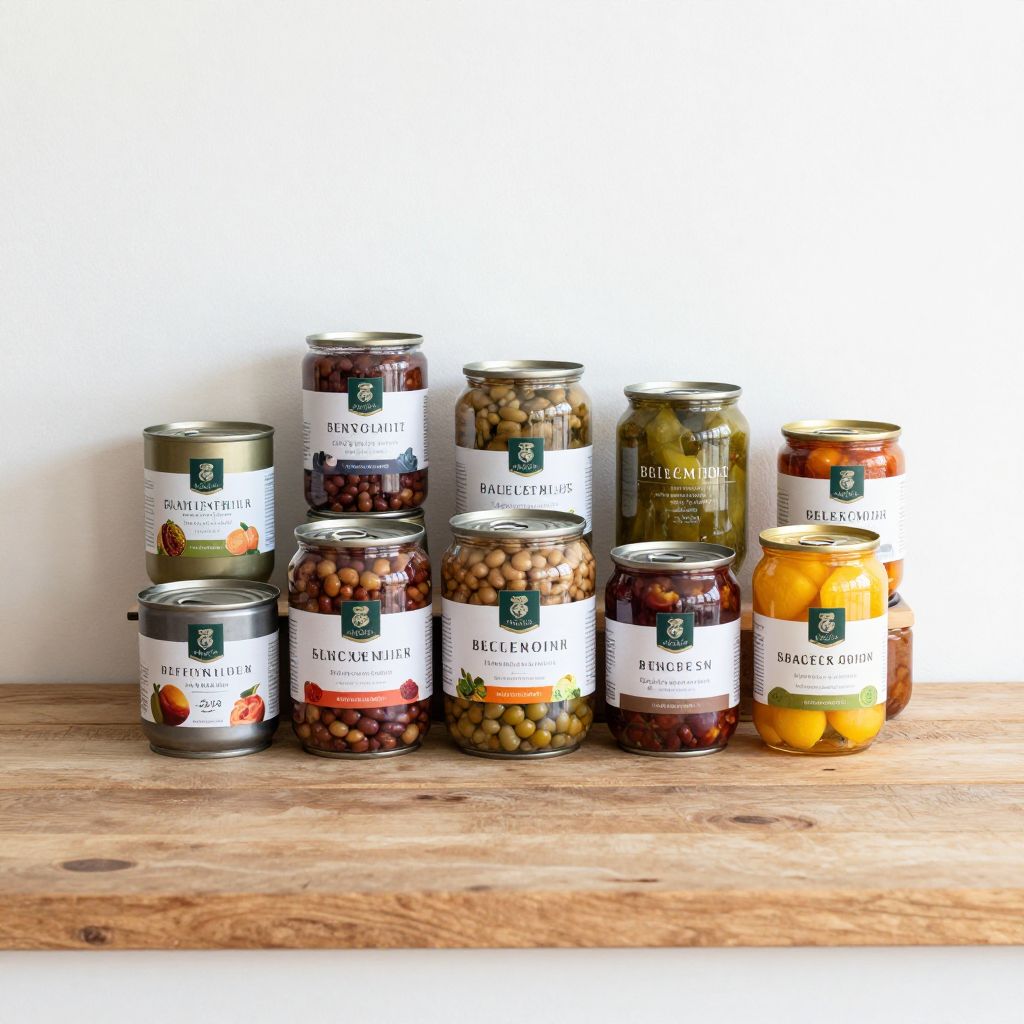
Canned food is a staple in many kitchens due to its convenience, long shelf life, and versatility. However, it’s essential to understand how long canned food lasts to ensure safety and taste. This guide will explore the shelf life of various canned foods, storage tips, and how to tell if canned items have gone bad.
Whether you are stocking up for emergencies, meal prepping, or simply looking to save time in the kitchen, knowing how to effectively store and handle canned goods can make a significant difference in your cooking experience. Let’s dive into the details.
How Long Will Canned Food Last?
The shelf life of canned food varies depending on the type of food and the conditions under which it is stored. Generally, canned goods can last anywhere from 1 to 4 years, and sometimes even longer, if stored correctly. It is important to remember that the date printed on the can is often a “best by” or “use by” date rather than an expiration date.
Canned Food Shelf Life by Type
Different types of canned foods have varying shelf lives due to their ingredients and processing methods. Below is a breakdown of common canned foods and their expected longevity:
Vegetables
- Standard canned vegetables: 2 to 5 years.
- Canned tomatoes: 1.5 to 3 years.
- Vegetable juices: 1 to 2 years.
Fruits
- Canned fruits in syrup: 2 to 3 years.
- Canned fruits in juice: 1 to 2 years.
- Canned pie filling: 2 to 3 years.
Soups and Broths
- Canned soups: 2 to 3 years.
- Canned broths: 1 to 2 years.
Meats and Fish
- Canned chicken: 2 to 5 years.
- Canned tuna: 3 to 5 years.
- Canned salmon: 2 to 4 years.
Beans and Legumes
- Canned beans: 2 to 3 years.
- Canned chickpeas: 2 to 3 years.
Ready-to-Eat Meals
- Canned chili: 2 to 5 years.
- Canned stews or complete meal kits: 2 to 5 years.
Factors Affecting Shelf Life
Several factors can influence how long canned food lasts. Understanding these elements can help you maximize the shelf life of your food:
- Storage Conditions: Keep canned goods in a cool, dry place away from direct sunlight. Avoid extreme temperatures, as excessive heat can damage the can and its contents.
- Can Integrity: Inspect cans for rust, dents, or bulges. Damaged cans can compromise the safety and quality of the food.
- Type of Food: As noted above, different types of food have distinct shelf lives.
- Preservation Method: Foods preserved with higher acidity (like tomatoes) typically have shorter shelf lives than lower-acid foods (like vegetables and meats).
How to Store Canned Food Properly
Proper storage is crucial for maintaining the quality and safety of canned goods. Here are some essential tips for storing canned food:
- Keep them dry: Moisture can lead to rust on cans, which may promote bacterial growth or spoilage.
- Avoid extreme temperatures: Store canned goods in a pantry or cupboard with consistent ambient temperature away from heaters or stoves.
- Organize your stock: Place older cans at the front so you use them first, following the FIFO (first in, first out) principle.
- Check periodically: Regularly inspect your canned goods for signs of damage or spoilage, especially if they have been stored for an extended period.
How to Tell if Canned Food is Bad
Canned food can last a long time, but it may still spoil. Here are some signs to look for:
- Swollen or bulging cans: This is one of the most significant indicators that bacteria might be present inside.
- Dents or rust: If a can is severely dented, especially around the seams, it could be compromised.
- Leaks: Any sign of leakage can indicate spoilage and contamination.
- Unusual odors: If you smell anything off when opening the can, discard its contents.
- Discoloration: Any unexpected changes in color or texture could suggest spoilage.
Best Practices for Using Canned Food
When it comes to incorporating canned food into your meals, consider these practices:
- Rinse when necessary: Canned vegetables and beans can be high in sodium. Rinsing them can reduce sodium levels significantly.
- Use for quick meals: Canned goods are handy for quick dinners or part of a meal prep strategy.
- Add flavor: Enhance canned meats or beans with herbs, spices, or sauces to elevate their taste and texture.
- Mix and match: Combine different canned ingredients to create unique dishes, such as stews, casseroles, or salads.
Cooking with Canned Foods
Canned foods can be the foundation for many delicious recipes. Here are a few ideas to get you started:
Chili
- In a large pot, heat 1 tablespoon of oil over medium heat.
- Add 1 chopped onion and sauté until translucent.
- Stir in 2 cloves of minced garlic and cook for another minute.
- Add 2 cans of diced tomatoes, 1 can of drained canned beans, 1 can of corn, and chili powder to taste.
- Simmer for 20-30 minutes and serve hot.
Vegetable Stir-Fry
- Heat 1 tablespoon of oil in a skillet over medium-high heat.
- Add 1 drained can of mixed vegetables and sauté for about 5 minutes.
- Season with soy sauce, garlic powder, and ground ginger to taste.
- Serve over steamed rice or noodles.
Tuna Salad
- In a bowl, combine 1 drained can of tuna, 1/4 cup of mayonnaise, 1 chopped celery stalk, and salt and pepper to taste.
- Serve on bread or lettuce leaves for a quick meal.
Frequently Asked Questions
Can I eat canned food after the expiration date?
While many canned foods remain safe to consume past their expiration dates, the quality may deteriorate. Always check for signs of spoilage before consumption.
How long can I keep opened canned food?
Once opened, canned food should be transferred to a separate container and stored in the refrigerator. Most opened canned items can last for 3 to 4 days in the fridge.
Is it safe to eat food from dented cans?
Dented cans should be examined for bulging lids or leaks. If there are signs that the can is compromised, it is safer to discard it.
Conclusion
Canned foods are practical and often essential items in any kitchen, providing easy meal solutions and convenience. Understanding their shelf life, proper storage, and signs of spoilage ensures you can utilize them safely and effectively. Make a habit of checking and organizing your canned goods to always have an accessible stock for recipes and meal planning.
To expand your cooking knowledge, explore our guides on how long cooked ground beef lasts in the fridge or how long beans stay good in the fridge.