
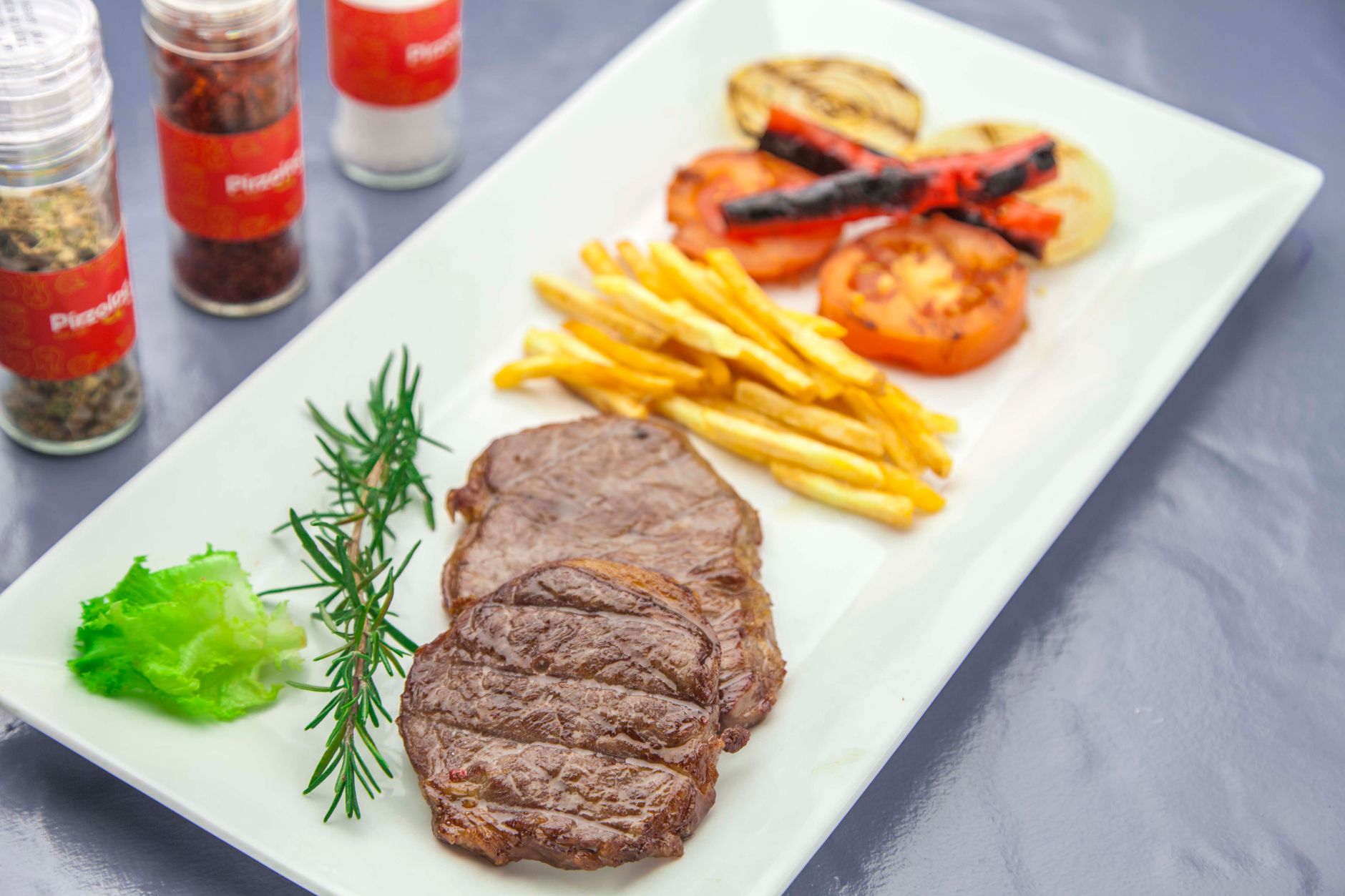
Blue steak, or blue rare steak, is a cooking technique that results in a tender, juicy piece of meat that is seared on the outside while remaining cold and raw in the center. Cooking steak to this level may appeal to those who appreciate the pure flavor of high-quality beef and the unique texture that comes from minimal cooking.
This article will explore what blue steak is, how it’s prepared, what ingredients contribute to its flavor, and the best ways to serve it.
What Is Blue Steak?
Blue steak is a term used to describe a cut of beef cooked to an internal temperature of around 115°F (46°C), meaning that while the exterior is browned and flavorful, the interior remains practically raw. This method locks in the rich flavors and juices of the meat, making it an appealing option for steak lovers.
Understanding the Ingredients and Flavor of Blue Steak
The primary ingredient in blue steak is, of course, beef. While any cut can technically be cooked to a blue state, some cuts are favored for their tenderness and flavor. Let’s examine the most popular options and what makes them particularly suitable.
Choosing the Right Cut of Beef
- Filet Mignon: Known for its tenderness, this cut comes from the tenderloin and is one of the most sought after for blue steak.
- Ribeye: Fatty and rich in flavor, ribeye steaks provide a depth of taste that complements the light cooking method.
- New York Strip: This cut is flavorful and has a good balance of tenderness and chewiness.
- Porterhouse or T-Bone: These cuts offer both tenderness and flavor, thanks to the bone structure that enhances the taste.
Flavor Profile of Blue Steak
The flavor of blue steak is distinct and rich due to the high-quality meat used and the minimal cooking process. The searing creates a caramelized crust that adds depth to the meat’s inherent flavor. The inside, remaining rare, boasts a soft texture and beefy taste, which can be contrasted with sauces or dips for added complexity.
How to Prepare Blue Steak
Cooking a blue steak requires precise timing and attention to details. Here’s a guide to preparing blue steak, including essential equipment and a step-by-step method.
Essential Equipment
- Cast iron skillet or a heavy-bottomed pan
- Meat thermometer
- Tongs
- Sharp knife for slicing
Preparation Steps
- Select Your Steak: Start with a high-quality cut of beef, ideally one that is well-marbled for the best flavor.
- Bring to Room Temperature: Remove the steak from the refrigerator and allow it to come to room temperature for about 30 minutes prior to cooking. This ensures even cooking.
- Season the Steak: Liberally season both sides with coarse salt and freshly ground black pepper. You can add spices or herbs according to your taste, but simple seasoning allows the beef’s natural flavor to shine.
- Heat Your Pan: Place your cast iron skillet over medium-high heat and allow it to get very hot. A proper sear requires high heat for a shorter time.
- Sear the Steak: Add a small amount of oil (like canola or grapeseed oil) to the pan. Once hot and shimmering, place the steak in the pan. Cook for about 1-2 minutes on each side, depending on the thickness of the cut. Aim for a rich, golden brown crust.
- Check the Temperature: Using a meat thermometer inserted into the center of the steak, monitor the internal temperature. For blue steak, you’re looking for around 115°F (46°C).
- Rest Before Serving: After reaching the desired temperature, remove the steak from the pan and let it rest for about 5 minutes. This helps the juices redistribute within the meat.
Serving Suggestions for Blue Steak
Blue steak can be enjoyed in various ways, making it a versatile dish for any meal. Here are some tips on how to serve it.
Plating Blue Steak
When plating your blue steak, consider the following:
- Slice against the grain to maximize tenderness. This also creates attractive portions that showcase the juicy interior.
- Season lightly again before serving, especially if desired flavors were lost during cooking and resting.
- Serve with sauces such as béarnaise, chimichurri, or a sprinkle of coarse sea salt to elevate the flavor.
Accompaniments
Pair your blue steak with side dishes that complement its rich flavor. Consider the following options:
- Grilled Vegetables: Seasonal vegetables add freshness and a slightly smoky flavor to the plate.
- Potato Dishes: Mashed, roasted, or even a classic French fries can provide a satisfying carbohydrate component.
- Salads: A light salad with vinaigrette can cleanse the palate and balance the richness of the meat.
Common Mistakes When Cooking Blue Steak
Cooking blue steak requires attention to detail and a few essential steps. Below are common pitfalls and how to avoid them.
Cooking at Too Low a Temperature
A common mistake is using insufficient heat, which can result in a raw or unevenly cooked interior. A very hot pan is paramount for achieving the desired sear.
Overcooking
Another frequent error is leaving the steak on the heat for too long, causing it to cook past the blue stage. Monitor your steak closely and use a thermometer for precision.
Skipping Resting
Cutting into the steak immediately after cooking can lead to a loss of juices. Allow the meat to rest to maintain moisture and flavor.
Storage and Safety of Blue Steak
Handling raw beef safely is essential, especially when preparing blue steak. Here are safe storage and handling practices.
Storage Guidelines
- If cooking blue steak, it should be sourced from a reputable supplier to ensure quality and safety.
- Store raw beef in the coldest part of the refrigerator and use it within two days or freeze it for future use.
- Leftover cooked blue steak can be stored in an airtight container in the refrigerator for up to three days.
Reheating Blue Steak
While blue steak is best served fresh, reheating may be necessary. If you choose to reheat, do so gently to prevent further cooking:
- Preheat your oven to a low temperature, around 250°F (121°C).
- Place the steak on a baking sheet, covered loosely with foil.
- Reheat until warmed through, about 15-20 minutes, depending on thickness. Aim to maintain the blue center.
Final Thoughts
Blue steak presents a unique way to enjoy beef that showcases its natural flavor and texture. With a keen eye for cooking times and precision, anyone can master this delightful dish. As you experiment with different cuts and seasoning, you may discover your personal favorites and perfect your technique.
Ready to get started? Explore more delicious recipes like flat iron steak or try your hand at a classic T-bone steak. Embrace the art of cooking steak and enhance your culinary skills today!