
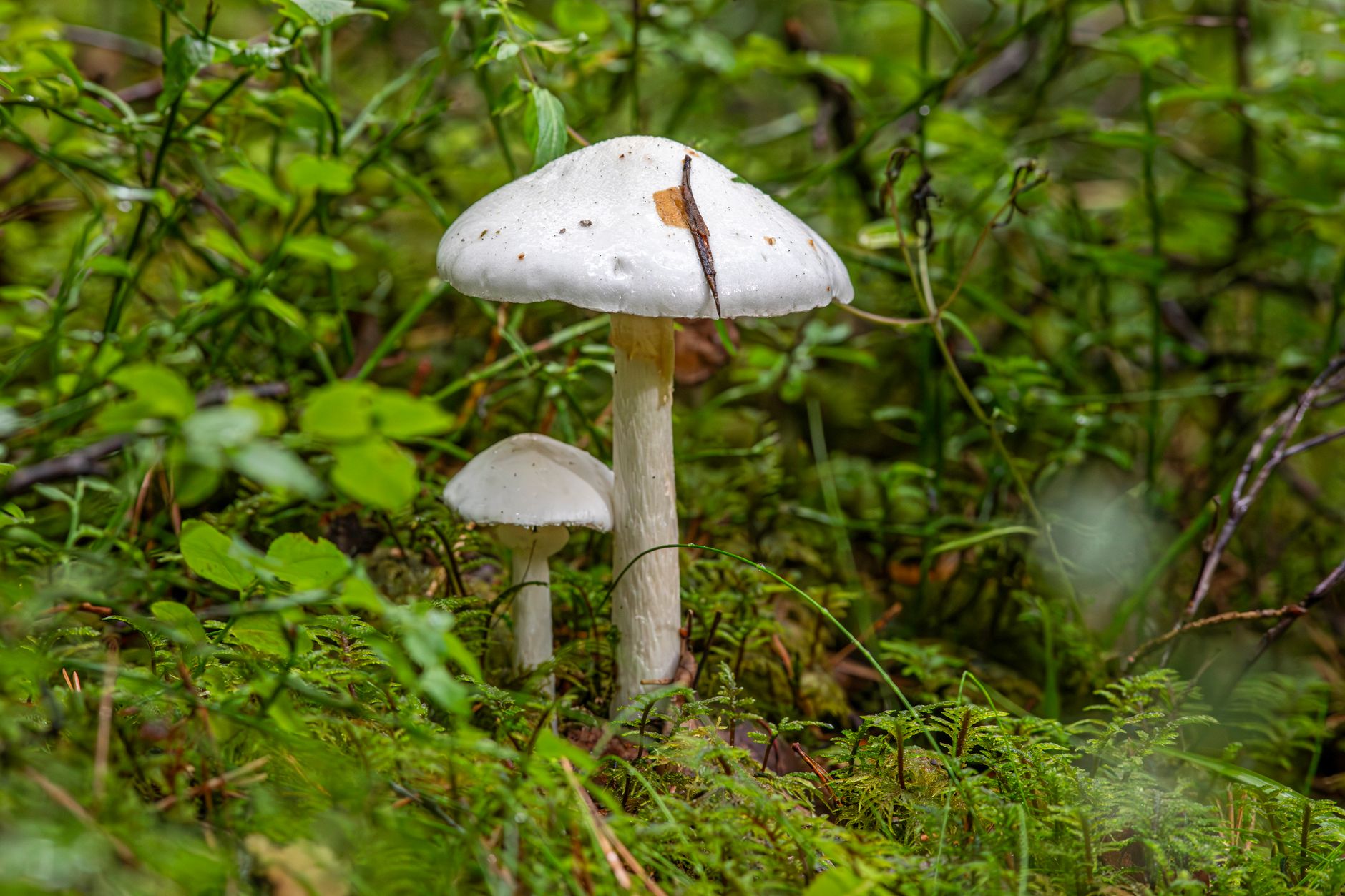
Mushrooms can add an exquisite flavor to a variety of dishes, but not all mushrooms are safe to consume. Identifying which mushrooms are poisonous is crucial for anyone who enjoys foraging or experimenting in the kitchen. This article dives deep into understanding poisonous mushrooms, their characteristics, and how to safely include mushrooms in your meals.
This guide also offers practical insights into edible mushrooms and their culinary uses. By educating yourself about poisonous varieties, you can confidently explore mushroom options in your cooking without fear of adverse health effects.
What Mushrooms Are Poisonous?
Poisonous mushrooms can be quite dangerous and sometimes even fatal when ingested. Common species deemed toxic include the Death Cap (Amanita phalloides), the Fly Agaric (Amanita muscaria), and the Destroying Angel (Amanita bisporigera). It’s vital to learn about these mushrooms to avoid accidental poisoning.
Identifying Poisonous Mushrooms
Successful identification of poisonous mushrooms relies on understanding their physical characteristics. Here are some common poisonous mushrooms and their features:
1. Death Cap (Amanita phalloides)
- Appearance: Green to yellowish cap with white gills and a bulbous base.
- Habitat: Often found in forests near oak and chestnut trees.
- Toxicity: Responsible for the majority of mushroom poisoning deaths due to its potent toxins.
2. Fly Agaric (Amanita muscaria)
- Appearance: Bright red or orange cap with white spots, white gills.
- Habitat: Grows in coniferous and deciduous forests, often under birch trees.
- Toxicity: Causes hallucinations and can lead to severe illness.
3. Destroying Angel (Amanita bisporigera)
- Appearance: White cap that can vary in size, with a similar bulbous base as the Death Cap.
- Habitat: Prefers wooded areas and is often found in late summer and fall.
- Toxicity: Contains deadly toxins that can cause liver failure.
4. False Morel (Gyromitra esculenta)
- Appearance: Irregularly shaped cap, often resembling a brain, with a brownish color.
- Habitat: Common in sandy soils, often near old forested areas.
- Toxicity: Some varieties are highly toxic while others are edible but must be cooked correctly.
5. Webcap (Cortinarius spp.)
- Appearance: Often has a reddish or brown cap with a web-like veil.
- Habitat: Can be found in a variety of habitats, mainly in forests.
- Toxicity: Causes kidney failure and has delayed symptoms.
How to Safely Forage for Edible Mushrooms
If you are interested in foraging for mushrooms, it’s essential to equip yourself with knowledge and tools. Here are some guidelines for safe foraging practices:
1. Get Educated
- Begin with local mushroom identification guides or classes.
- Join local foraging groups where experienced foragers can teach you.
- Invest in a field guide specific to your region featuring both edible and poisonous mushrooms.
2. Always Carry a Guide
- Never rely solely on memory; always consult a guidebook while foraging.
- Take clear photographs of mushrooms for reference.
3. Know Your Species
- Familiarize yourself with both edible and toxic mushrooms in your area.
- Understand the environments these mushrooms grow in.
4. Check for Expert Verification
- Before consuming wild mushrooms, have them identified by a mycologist or trusted expert.
- Do not eat any mushroom unless you are 100% certain of its identity.
Common Culinary Mushrooms
While poisonous mushrooms are a concern, there are many delicious and safe varieties that can elevate your cooking. Here are some common edible mushrooms and their culinary uses:
1. Button Mushroom (Agaricus bisporus)
- Flavor: Mild, slightly sweet flavor.
- Culinary Uses: Commonly used in salads, soups, and stir-fries.
2. Portobello Mushroom (Agaricus bisporus)
- Flavor: Rich, meaty flavor.
- Culinary Uses: Excellent for grilling; can be used as a meat substitute in burgers.
3. Shiitake Mushroom (Lentinula edodes)
- Flavor: Earthy and smoky flavor profile.
- Culinary Uses: Popular in Asian cuisine, great in sautéed dishes and soups.
4. Enoki Mushroom (Flammulina velutipes)
- Flavor: Delicate and slightly fruity.
- Culinary Uses: Frequently used in salads and Japanese soups like ramen.
5. King Oyster Mushroom (Pleurotus eryngii)
- Flavor: Savory and slightly sweet.
- Culinary Uses: Great for stir-frying and grilling.
Cooking with Mushrooms: Preparation and Storage
Handling mushrooms properly is key to both food safety and flavor enhancement. Here’s how to prepare and store mushrooms:
Preparation Tips
- Clean mushrooms with a damp cloth or soft brush to remove dirt. Avoid soaking them in water.
- Trim away any tough stems or blemishes, as these can affect the texture and flavor.
- For dishes that require more depth, sauté mushrooms in oil before adding them to recipes.
Storage Guidelines
Mushrooms should be stored properly to maintain freshness:
- Keep mushrooms in a paper bag or a container with holes to allow airflow.
- Avoid plastic bags, which can trap moisture and lead to spoilage.
- Store mushrooms in the refrigerator for up to one week, but use them as soon as possible for optimal flavor.
Common Mistakes When Cooking Mushrooms
Many cooks stumble when preparing mushrooms; however, awareness can enhance your culinary skills. Here are common mistakes and tips on how to avoid them:
1. Overcooking
Mushrooms can become rubbery if overcooked. Sauté them until they are golden brown, usually about 5-7 minutes, depending on the size.
2. Using Too Much Oil or Butter
Mushrooms absorb oil quickly; using too much can make dishes greasy. Start with a small amount and add more as necessary.
3. Not Seasoning
Mushrooms benefit significantly from seasoning. A pinch of salt can enhance their natural flavors—don’t skip it!
4. Mixing Up Varieties
Some mushroom types have very different cooking times. Ensure you know how long each type needs to cook for even doneness.
5. Ignoring Texture
Understanding the role of texture is essential. For example, thick mushrooms like portobello require longer cooking times than delicate varieties like enoki.
Making the Most of Your Mushrooms
Mushrooms are versatile ingredients that can be used in various dishes. Here are some ideas to experiment with:
- Soups: Use mushrooms to add depth to broths and cream soups.
- Stir-fries: Combine several types for a textural contrast.
- Risottos: Incorporate them for added flavor and richness.
- Pasta Dishes: Pair with cream sauces for a luxurious meal.
- Grilled Dishes: Marinate portobello caps and grill for an excellent main course.
Final Thoughts on Mushrooms
Educating yourself about mushrooms, especially the poisonous varieties, ensures safe and enjoyable cooking experiences. With the right knowledge, you can enhance your meals with edible mushrooms while steering clear of dangerous options. Always verify and learn species before consuming any wild mushrooms, and enjoy the delightful flavors that safe varieties bring to your dishes.
To explore more delicious mushroom recipes, check out our Enoki Mushroom Recipe or try a flavorful King Oyster Mushroom Recipe. Happy cooking!