
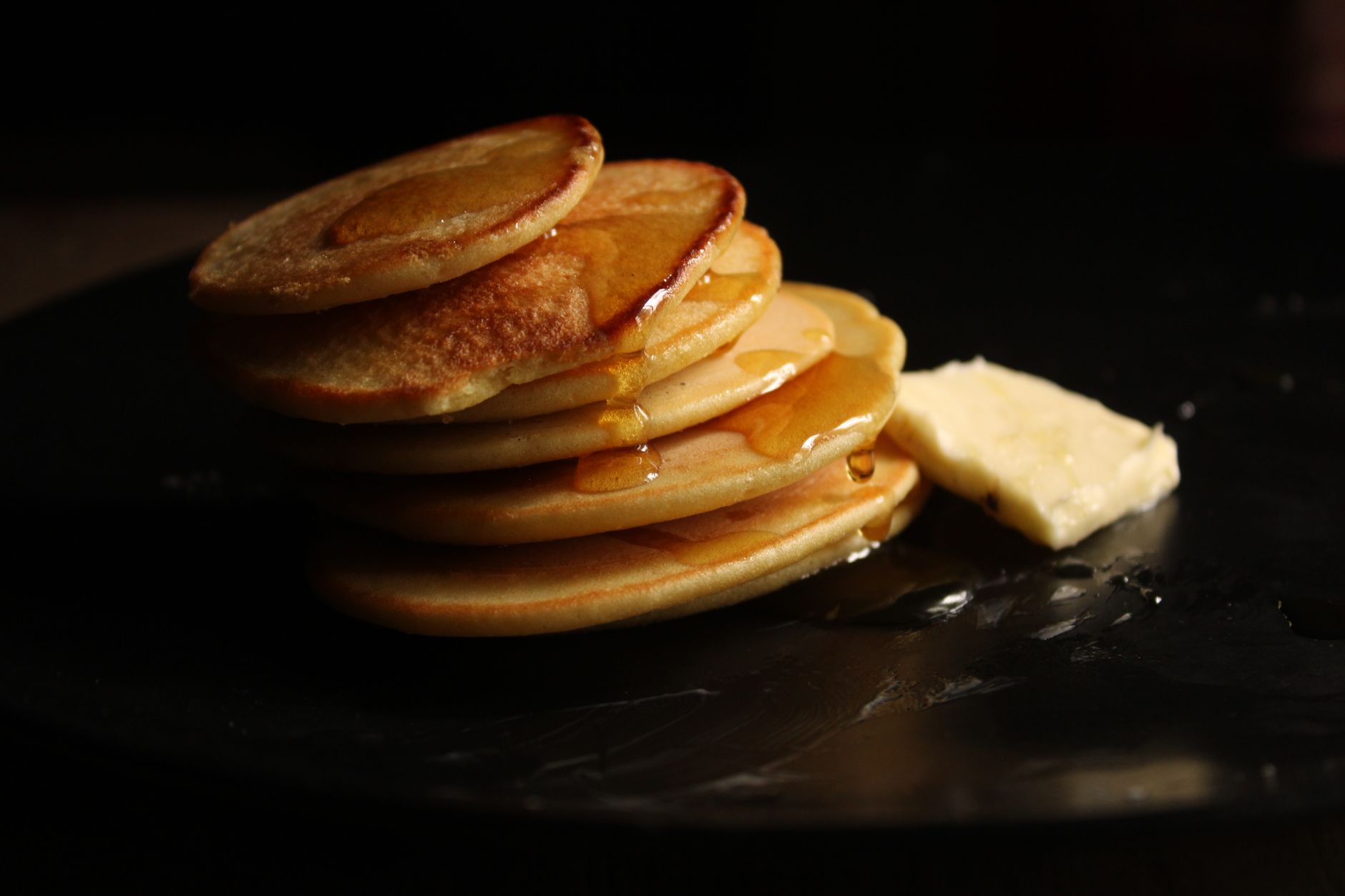
Buttermilk is a versatile ingredient that lends a tangy flavor and creamy texture to many recipes, from pancakes to marinades. Often called for in baking or cooking, it can sometimes be hard to find in stores. Fortunately, making buttermilk at home is simple and requires just a few common ingredients. In this guide, we’ll explore various methods for creating homemade buttermilk, how to use it in your dishes, and tips for success.
The best part about making buttermilk at home is that it allows you to control the taste and use it in both savory and sweet applications. Whether you are whipping up a batch of fluffy biscuits or a tangy salad dressing, homemade buttermilk can enhance your dishes beautifully. Let’s dive into the techniques and recipes for making buttermilk in no time.
How Can I Make Buttermilk At Home?
You can make buttermilk at home by combining milk with an acidic ingredient, such as vinegar or lemon juice. This method creates a similar taste and texture to store-bought buttermilk, which is essentially fermented milk. Below are some simple methods that you can use to make buttermilk at home.
What You Need to Make Buttermilk
Before diving into the methods, it helps to gather all the necessary ingredients and equipment. Here’s what you’ll need to get started.
- Ingredients:
- Milk (whole, 2%, or low-fat)
- White vinegar or lemon juice
- Equipment:
- Measuring cups
- Small mixing bowl or jar
- Whisk or spoon
Methods to Make Buttermilk at Home
1. Using Vinegar
This is one of the most common methods to create buttermilk. The vinegar interacts with the milk to mimic the sourness of traditional buttermilk.
Ingredients:
- 1 cup milk (any kind)
- 1 tablespoon white vinegar
Instructions:
- Measure 1 cup of milk and pour it into a small bowl or jar.
- Add 1 tablespoon of white vinegar to the milk.
- Stir gently to combine and let it sit at room temperature for about 5-10 minutes.
- After resting, the milk will look slightly thickened and have a sour aroma, signifying that buttermilk is ready to use.
2. Using Lemon Juice
Lemon juice is another effective way to make buttermilk and offers a distinct citrus flavor. This can cut through rich ingredients in recipes.
Ingredients:
- 1 cup milk (any kind)
- 1 tablespoon lemon juice
Instructions:
- Pour 1 cup of milk into a bowl or jar.
- Add 1 tablespoon of lemon juice.
- Mix lightly and allow it to sit at room temperature for 5-10 minutes.
- After resting, the mixture will begin to thicken slightly, indicated that it’s ready for use.
3. Using Cream of Tartar
Cream of tartar can be used to make buttermilk as well, especially if you already have it in your pantry. This also allows for a less acidic taste.
Ingredients:
- 1 cup milk (any kind)
- 1 ½ teaspoons cream of tartar
Instructions:
- Mix 1 ½ teaspoons of cream of tartar into 1 cup of milk.
- Whisk until the cream of tartar is fully dissolved and the milk has thickened slightly.
- Let the mixture sit for 5-10 minutes before using.
4. Using Yogurt or Sour Cream
If you have plain yogurt or sour cream, these can also be used to create a buttermilk substitute, especially in baking where added thickness is welcomed.
Ingredients:
- ½ cup plain yogurt or sour cream
- ½ cup milk (any kind)
Instructions:
- In a bowl, combine ½ cup of yogurt or sour cream with ½ cup milk.
- Whisk until smooth to ensure it’s well combined.
- This mixture can be used right away as a buttermilk substitute.
Why Use Homemade Buttermilk?
Homemade buttermilk is often fresher and can be tailored to suit your taste preferences. Using methods such as vinegar or lemon juice also allows for an easy way to achieve that signature tangy flavor without the need for store-bought buttermilk. It’s also cost-effective and allows you to avoid preservatives or other additives often found in commercial products.
Practical Tips for Success
- Use Whole Milk: If possible, use whole milk for the richest flavor and texture, although lower-fat options work too.
- Let It Sit: Allowing the milk to sit with the acid helps develop the tangy flavor and thicker texture characteristic of buttermilk.
- Make in Small Batches: Since fresh buttermilk is best in recipes, make only what you need for each use.
How to Use Buttermilk in Recipes
Buttermilk is a versatile ingredient that can enhance various dishes. Here are a few common applications:
Baking
In baking, buttermilk is particularly prized for its ability to react with baking soda, leading to lighter and fluffier baked goods. It’s commonly used in:
- Pancakes and Waffles: Buttermilk makes pancakes tender and fluffy, while adding a pleasant tang.
- Biscuits and Scones: The acidity in buttermilk helps create flaky layers.
- Cakes: Substituting buttermilk in a cake recipe can yield a moist and flavorful result.
Cooking
Buttermilk can also be used in savory dishes:
- Marinades: Buttermilk is an excellent base for marinating chicken or other meats, as it tenderizes effectively.
- Salad Dressings: Combine buttermilk with herbs, garlic, and seasonings for a creamy dressing.
- Soups: It can add creaminess without the added calories of heavy cream.
Common Mistakes to Avoid
While making buttermilk at home is relatively foolproof, some pitfalls can occur:
- Forgetting to Let It Sit: Skipping the resting period won’t allow the desired acidity and thickness to develop.
- Too Much Acid: Adding too much vinegar or lemon juice can overpower the flavor; stick to the recommended amount.
- Using Low-Quality Milk: Low-quality milk can lead to undesirable flavors; always opt for milk that’s fresh and of good quality.
Storage and Shelf Life
Homemade buttermilk is best used immediately for flavor and texture. However, if you have leftovers, you can store it in the refrigerator in a tightly sealed container for up to two weeks. It may thicken slightly over time, but this is normal. Always give it a stir before using, checking for any off flavors or odors.
Conclusion
Making buttermilk at home is a straightforward process that can vastly improve your cooking and baking. By using simple kitchen staples like milk and an acid, you create a fresh, tangy product that elevates your dishes. Don’t hesitate to experiment with the different methods outlined here and find what works best for your culinary needs.
For a sweet dessert, try a delicious buttermilk pound cake or explore how to use buttermilk in cinnamon rolls for a delightful breakfast treat. Check out our recipes on buttermilk pound cake and cinnamon rolls with heavy cream. Happy cooking!