
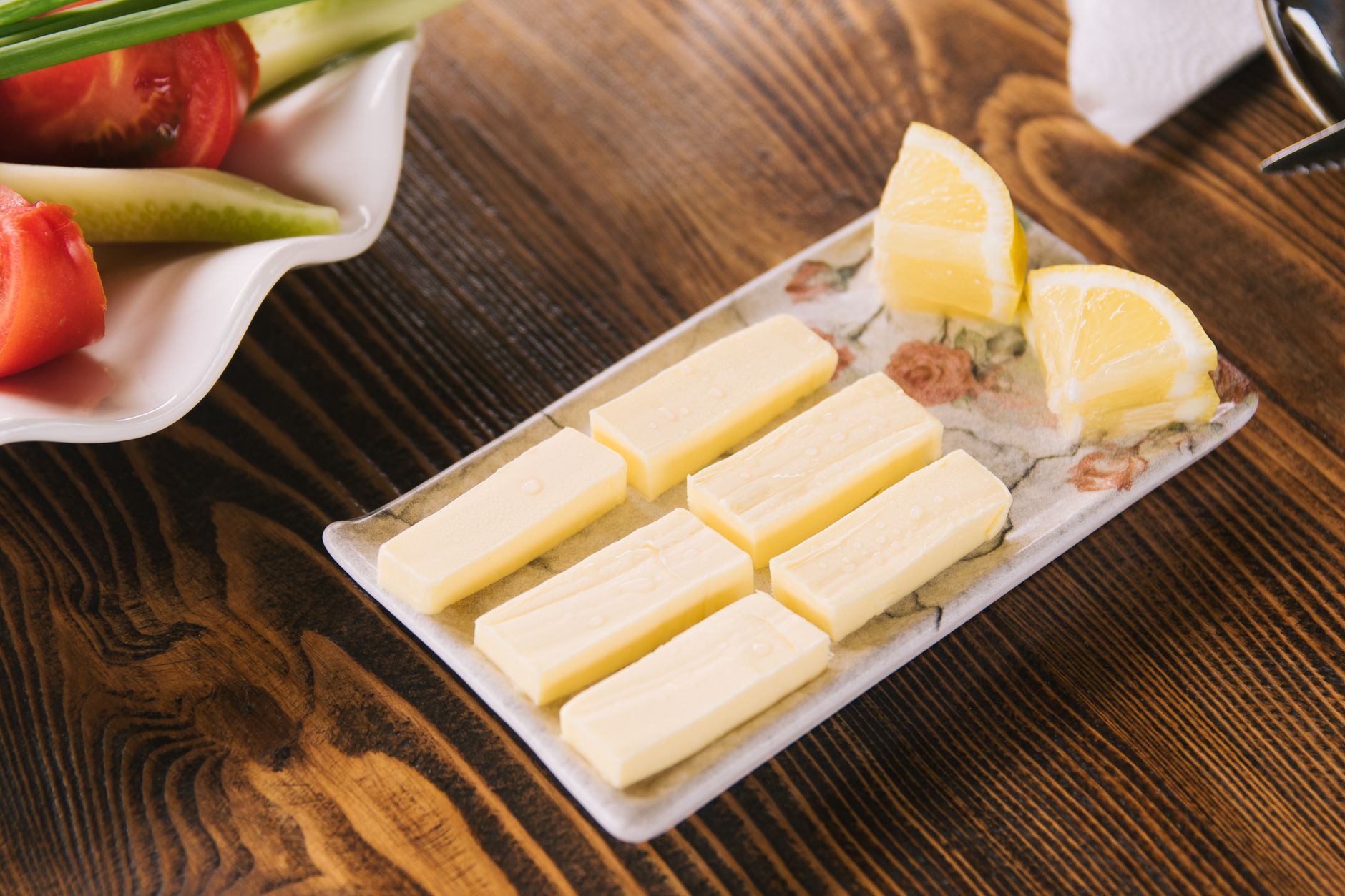
Understanding the measurement of butter is essential for anyone who enjoys cooking or baking. Butter is a common ingredient in many recipes, and knowing how to accurately measure it can significantly impact the flavor and texture of your dishes.
In this guide, we will break down how many tablespoons are in a stick of butter, provide practical tips for measuring, explore how to use butter in various recipes, and discuss substitutions for different dietary needs.
How Many Tablespoons are in a Stick of Butter?
A standard stick of butter, particularly in the United States, contains 8 tablespoons. Each stick is typically wrapped in paper and marked with measurements, which makes it easy to cut off the desired amount. Understanding this conversion helps ensure accuracy in your cooking and baking endeavors.
Measuring Butter Accurately
Accurate measurement is crucial in both cooking and baking. While butter can be measured by weight, most home cooks use volume measurements, such as tablespoons or cups. Here are some practical measuring tips:
- Use the markings: If you’re using a stick of butter, utilize the paper markings on the wrapper. Each tablespoon is often indicated, allowing for easy cutting.
- Softened butter: If your recipe requires softened butter, ensure that it’s at room temperature for easy measuring and mixing. This will affect the texture of your final dish.
- Cold butter: If the recipe calls for cold butter (like for pie crusts), grate or cut it into small pieces; this allows for even incorporation without melting.
- Liquid butter: If you need melted butter, measure it after melting to avoid discrepancies in volume.
Using Butter in Different Recipes
Butter plays a crucial role in various recipes, offering moisture, flavor, and a tender texture. Here are some common uses:
1. Baking
In baking, butter is indispensable for cookies, cakes, and pastries. It contributes to the structure and flavor of the finished product. When creamed with sugar, butter helps to aerate the mixture, creating a light texture in cakes and cookies.
2. Cooking
Butter is often used for sautéing vegetables or creating sauces. It adds richness to dishes and can enhance the flavor profile of a meal. For example, browning butter creates a nutty aroma that can elevate simple dishes.
3. Spreads
Butter serves as a delightful spread on bread, biscuits, and muffins. You can also compound butter by mixing in herbs or spices, creating unique flavors to accompany your meal.
Butter Substitutions
For those with dietary restrictions or preferences, substituting butter is sometimes necessary. Here are a few alternatives:
- Margarine: This is the most straightforward substitute; use it at a 1:1 ratio for butter.
- Coconut oil: This can be used in a 1:1 ratio for butter in baking, offering a different flavor and texture.
- Applesauce: For baking, replacing butter with unsweetened applesauce can reduce fat while providing moisture. Use half the amount of applesauce compared to butter.
- Vegetable oil: Liquid oils can be used instead of butter, particularly in recipes where solid fats are not critical. Use approximately 75% of the butter amount for oil.
- Nut butters: Peanut butter or almond butter can add unique flavors and richness to baked goods. Use the same amount as butter or adjust according to taste.
Common Mistakes When Using Butter
Here are several common pitfalls related to using butter, along with solutions:
- Using cold butter in recipes requiring softened butter: This can lead to dense baked goods. Always ensure your butter is softened if indicated in the recipe.
- Melting butter improperly: Avoid overheating butter, as this can lead to a loss of flavor and texture. Melt slowly over low heat or in short bursts in the microwave.
- Inaccurate measuring: Not adhering to the measurements can drastically affect the outcome of your dish. Always measure accurately using the proper spoon or cup.
- Not clarifying butter when necessary: If a recipe requires clarified butter for frying or high-heat cooking, ensure you remove the milk solids to prevent burning.
Storage and Shelf Life of Butter
Proper storage of butter is essential to maintain its quality. Here are some tips:
- Refrigeration: Butter should be kept in the refrigerator for optimal freshness. It can last for several months in the fridge.
- Freezing: If you want to store butter for longer, it can be frozen for up to a year. Wrap it tightly in plastic wrap or aluminum foil to prevent freezer burn.
- Room temperature storage: You can keep a small amount (usually one stick) of butter at room temperature in a covered dish for easy spreading, but be cautious not to leave it out for too long.
- Avoiding contamination: Use clean utensils when scooping butter to prevent introducing bacteria.
Benefits of Using Butter in Cooking
Butter not only adds flavor but also provides a variety of other benefits:
- Rich in Vitamins: Butter contains fat-soluble vitamins A, D, E, and K, which are beneficial for your health.
- Flavor Enhancer: The fats in butter enhance the flavor profile of many dishes, making them more delicious.
- Texture Improver: It helps in achieving the desired texture in baked goods and sauces.
Conclusion
Understanding how many tablespoons are in a stick of butter and how to use it effectively can elevate your cooking and baking skills. With 8 tablespoons in each stick, you can ensure your recipes turn out just right.
Explore more about butter and how to utilize it in your recipes. For instance, learn how to make clarified butter or try baking butter swim biscuits for a delicious treat! Whether you’re a novice or an experienced cook, mastering the use of butter opens up a world of culinary possibilities.