
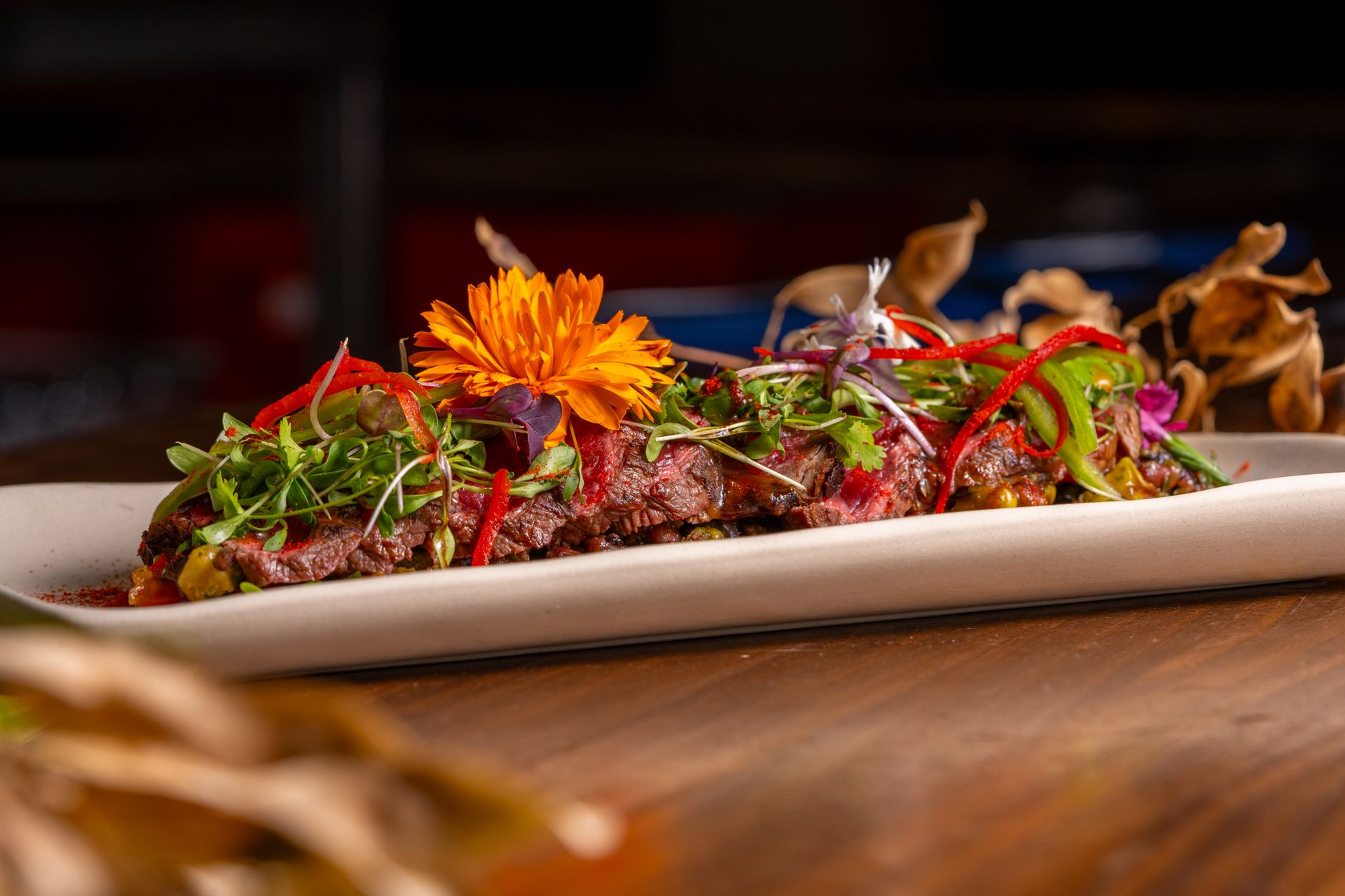
The term “Foster-Gomez” is a unique fusion that captures the essence of blending culinary traditions, particularly in Latin cuisine. This delicious combination often results in vibrant dishes that harmoniously unite diverse flavors, ingredients, and cooking techniques. In this article, we’ll explore the history and significance of Foster-Gomez cuisine, provide insightful cooking techniques, and share serving ideas that will elevate any meal.
Whether you’re an experienced chef or a novice in the kitchen, understanding the nuances of Foster-Gomez food can enrich your culinary repertoire. Let’s dive into the spectrum of flavors and practical tips that bring this unique culinary style to life.
What is Foster-Gomez Cuisine?
Foster-Gomez is a culinary style that reflects a blend of cultural influences. Originating from a fusion of traditional Latin dishes, it emphasizes the use of fresh, high-quality ingredients, bold flavors, and inventive cooking methods. Frequently featuring a mix of spices, herbs, and various meats and vegetables, Foster-Gomez cuisine celebrates creativity and adaptability in the kitchen.
Key Ingredients in Foster-Gomez Cooking
To create authentic Foster-Gomez dishes, it’s essential to understand the key ingredients that define this culinary genre. Below are some commonly used ingredients and their culinary significance:
- Cilantro: Fresh cilantro adds brightness and a distinct flavor, commonly used in salsas, sauces, and as a garnish.
- Chiles: A variety of chiles, both fresh and dried, provide necessary heat and complexity to dishes.
- Tomatoes: Used in salsas and sauces, tomatoes serve as a base for many Foster-Gomez recipes, lending rich flavors and acidity.
- Avocados: Creamy and versatile, avocados can enhance both salsas and spreads, adding richness and texture.
- Beans: A staple in many Latin cuisines, beans offer protein and fiber, acting as a hearty component in numerous dishes.
- Rice: Often served as a side, rice complements many Foster-Gomez dishes, absorbing and highlighting the flavors of the main ingredients.
Cooking Techniques for Foster-Gomez Cuisine
Mastering cooking techniques will elevate your Foster-Gomez dishes, allowing you to explore various textures and flavors. Here are some essential techniques commonly used in this cuisine:
1. Sautéing
Sautéing is a quick cooking method ideal for developing flavor in vegetables and proteins. Use a hot skillet with a small amount of oil, adding ingredients like onions and garlic first to create a flavorful base.
2. Braising
Braising involves cooking meats low and slow in liquid, resulting in tender and flavorful dishes. This technique is perfect for tougher cuts of meat, enhancing their taste through prolonged cooking.
3. Grilling
Grilling adds a smoky flavor to meats and vegetables, making it a favorite choice for summer cooking. Marinades and seasoning are essential in this technique to maximize flavor and tenderness.
4. Slow Cooking
Using a slow cooker allows for a meld of flavors over time, perfect for stews and chili. This method requires minimal supervision, making it a practical choice for busy days.
5. Roasting
Roasting vegetables and meats enhances their natural sugars, creating a delicious caramelized exterior. A hot oven and proper seasoning are crucial for achieving roasted perfection.
Serving Ideas for Foster-Gomez Dishes
Once your Foster-Gomez meal is prepared, presentation becomes key. Here are some serving ideas to make your dishes visually appealing and inviting:
- Platter Style: Arrange a variety of dishes on a large platter, allowing guests to serve themselves as they desire.
- Family Style: Serve large bowls of food at the table, encouraging sharing and conversation among diners.
- Garnish Wisely: Use fresh herbs, diced avocados, or lime wedges to add color and freshness to your dishes just before serving.
- Accompaniments: Provide a selection of salsas, hot sauces, or pickled vegetables on the side for added flavor options.
Popular Foster-Gomez Dishes to Try
Here are a few popular dishes that embody Foster-Gomez cuisine, along with brief descriptions of their flavors and ingredient composition:
1. Tacos with a Twist
These tacos often come filled with unexpected ingredients like grilled shrimp or spicy pulled pork, complemented by fresh pico de gallo and creamy avocado.
2. Salsas Variadas
A selection of diverse salsas, from classic tomato to mango salsa, provides a burst of flavors that can accompany many dishes.
3. Black Bean and Quinoa Salad
This salad combines hearty black beans with fluffy quinoa, showcasing rich textures and bright flavors from cilantro and lime juice.
4. Stovetop Pozole
Pozole is a hominy-based stew that often includes pork or chicken. The dish is garnished with radishes, cabbage, and lime for a refreshing finish.
Each of these dishes highlights the versatility and richness of Foster-Gomez cooking, allowing for both innovation and respect for tradition.
Substitutions in Foster-Gomez Recipes
Substitutions can adapt Foster-Gomez recipes to match dietary preferences or ingredient availability. Here are common substitutions along with notes on how they might affect the dish:
- Beans: If you don’t have black beans, pinto or kidney beans can be used, though the flavor profile will slightly change.
- Meats: Chicken can often replace pork in dishes like tacos, resulting in a lighter flavor.
- Herbs: If cilantro isn’t to your taste, parsley or chives can stand in, though the flavor won’t be exactly the same.
- Rice Alternatives: Quinoa can replace white rice for a higher-protein, gluten-free option.
Common Mistakes and Troubleshooting
Even seasoned cooks can encounter issues when preparing Foster-Gomez dishes. Here are some common pitfalls and how to solve them:
Overcooking Proteins
Overcooking proteins like chicken or pork can lead to dryness. To avoid this, use a meat thermometer to ensure adequate internal temperatures.
Underseasoning
Not seasoning adequately can result in bland flavors. Taste as you cook and adjust seasoning levels progressively to develop depth.
Inconsistent Cooking Times
Different ingredients cook at varying rates. Always add hard, dense vegetables first and softer ones later to ensure even cooking.
Meal Planning with Foster-Gomez Cuisine
Integrating Foster-Gomez dishes into meal planning is an excellent way to enjoy diverse flavors throughout the week. Here’s a practical outline for a week of meals based on Foster-Gomez cuisine:
Meal Plan Overview
- Monday: Start with Tacos filled with grilled chicken and topped with fresh salsa.
- Tuesday: Enjoy a Black Bean and Quinoa Salad served with avocado and lime.
- Wednesday: Prepare a Stovetop Pozole for a hearty dinner.
- Thursday: Savor leftover Pozole in a breakfast burrito with scrambled eggs.
- Friday: Finish the week with Grilled Fish Tacos adorned with mango salsa.
Storage and Reheating
Knowing how to store and reheat Foster-Gomez dishes safely can help reduce waste and maintain flavor. Here are general guidelines:
- Refrigerate: Store leftovers in airtight containers in the refrigerator for up to three days.
- Freeze: Certain dishes like soups or stews can be frozen for up to three months. Always cool completely before transferring to freezer-safe containers.
- Reheating: To reheat, use the stove or microwave until the dish reaches an internal temperature of 165°F (74°C).
Conclusion
Foster-Gomez cuisine presents a remarkable opportunity to explore the fusion of flavors and cooking techniques from diverse culinary traditions. By understanding essential ingredients, mastering cooking methods, and recognizing potential pitfalls, you can create vibrant and delicious dishes that resonate with the richness of this unique culinary style.
For more cooking tips and food guides, explore how long beans last in the fridge or learn how to thaw meat fast to keep your kitchen running smoothly.