
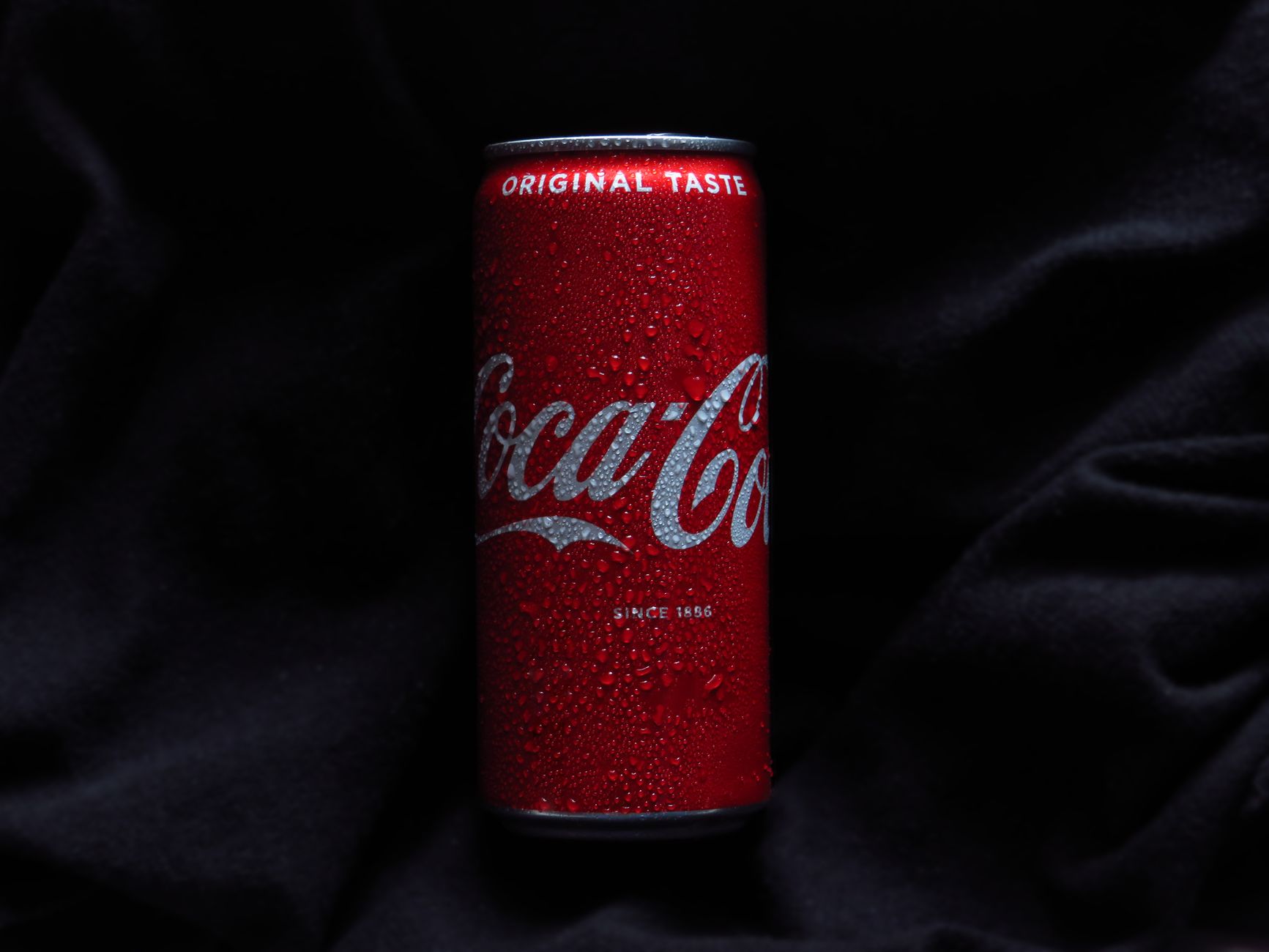
The Coca-Cola can, a familiar sight in homes and stores worldwide, is more than just a vessel for one of the most popular beverages. This article explores the various aspects of Coca-Cola, including its ingredient breakdown, uses in the kitchen, and creative serving suggestions. With these insights, you can enhance your culinary experience and make the most of this iconic drink.
Whether you’re looking for a refreshing beverage on a hot day or seeking innovative ways to incorporate Coca-Cola into your cooking, there are plenty of facts and ideas to enhance your enjoyment. Let’s delve into the world of the Coca-Cola can and discover all it has to offer.
What Is a Coca-Cola Can?
A Coca-Cola can is a compact aluminum container designed to dispense Coca-Cola, a carbonated soft drink. First introduced in 1886, Coca-Cola has remained a standard choice for consumers who enjoy its unique blend of flavors, sweetness, and effervescence. The can itself is not just a packaging solution but a symbol of refreshment and pleasure, allowing for the drink’s easy storage and accessibility.
Typically, a standard Coca-Cola can holds 12 fluid ounces (355 ml) of the beverage. Each can is designed to preserve the drink’s flavor and carbonation, ensuring that every sip is as fizzy and refreshing as the last. Beyond just being a drink, Coca-Cola also carries cultural significance and nostalgia, being a staple in various social settings.
Food Facts About Coca-Cola
Coca-Cola’s formulation is a well-guarded secret, often referred to as “Merchandise 7X,” a blend of flavorings that includes essential oils and extracts. Here are some interesting food facts about Coca-Cola:
- Ingredients: Coca-Cola typically contains carbonated water, high fructose corn syrup (or sucrose in some countries), caramel color, phosphoric acid, caffeine, natural flavors, and citric acid.
- Sugar Content: A standard 12 oz can contains about 39 grams of sugar, contributing to its sweet taste but also raising health concerns regarding sugar intake.
- Caffeine: Coca-Cola contains approximately 34 milligrams of caffeine per 12 oz can, providing a mild energy boost.
- Calories: A regular Coca-Cola can has about 140 calories, primarily from sugar.
- No Fat or Protein: Coca-Cola offers no fat or protein, classifying it as a simple source of carbohydrates.
Kitchen Uses for Coca-Cola
Coca-Cola is not just for drinking. Its unique properties make it an excellent ingredient for various culinary applications, from marinades to desserts. Below are some innovative kitchen uses for Coca-Cola:
1. Marinades
Coca-Cola is often used as a marinade for meats, particularly pork and chicken. The sugars and acids in Coca-Cola help tenderize the meat, providing flavor and moisture. Here’s a simple marinade recipe:
Coca-Cola Marinade Recipe
Yield: about 1 cup of marinade
- 1 cup Coca-Cola
- 1/4 cup soy sauce
- 2 tablespoons ketchup
- 2 cloves garlic, minced
- 1 tablespoon ginger, grated
Instructions:
- Combine all the ingredients in a bowl or a resealable bag.
- Add your choice of meat (e.g., chicken, pork) and ensure it’s well-coated.
- Marinate in the refrigerator for at least 1 hour, preferably overnight to enhance flavor.
2. Glazes and Sauces
Coca-Cola can enhance the flavor profile of glazes and sauces, especially for barbecued dishes. Here is a simple recipe for a Coca-Cola BBQ sauce:
Coca-Cola BBQ Sauce Recipe
Yield: about 2 cups sauce
- 1 cup Coca-Cola
- 1 cup ketchup
- 2 tablespoons apple cider vinegar
- 2 tablespoons brown sugar
- 1 tablespoon Worcestershire sauce
- 1 teaspoon onion powder
- 1 teaspoon garlic powder
Instructions:
- Combine all ingredients in a saucepan over medium heat.
- Bring to a simmer, stirring occasionally.
- Reduce the heat and let it simmer for about 20-30 minutes until thickened.
- Use as a glaze for grilled meats or serve as a dipping sauce.
3. Baking Ingredient
Coca-Cola can also be an ingredient in baking. It adds moisture and sweetness to cakes and brownies. A popular recipe is Coca-Cola cake, a rich and delicious treat:
Coca-Cola Cake Recipe
Yield: 12 servings
- 1 3/4 cups all-purpose flour
- 2 cups granulated sugar
- 1/2 cup unsweetened cocoa powder
- 1/2 teaspoon baking soda
- 1 cup Coca-Cola
- 1/2 cup vegetable oil
- 1/2 cup buttermilk
- 2 large eggs
- 1 teaspoon vanilla extract
- Your choice of frosting (optional)
Instructions:
- Preheat oven to 350°F (175°C). Grease and flour a 9×13 inch baking pan.
- In a large bowl, combine flour, sugar, cocoa powder, and baking soda.
- Add Coca-Cola, oil, buttermilk, eggs, and vanilla. Mix until fully combined.
- Pour the batter into the prepared pan and bake for 30-35 minutes, or until a toothpick inserted comes out clean.
- Allow to cool before frosting as desired.
Serving Ideas for Coca-Cola
Serving Coca-Cola can be as simple or creative as you want. Here are some serving ideas that can elevate your drinking experience:
1. Classic Cold Drink
The most straightforward way to serve Coca-Cola is over ice in a tall glass, garnished with a slice of lemon or lime. The acidity from the citrus enhances the drink’s flavor, making it more refreshing.
2. Coca-Cola Float
Take a trip down memory lane by making a Coca-Cola float. Simply pour Coca-Cola over a scoop of vanilla ice cream for a delightful treat.
3. Mixed Drinks
Coca-Cola can be a secret ingredient in cocktails. Try mixing it with rum or whiskey for a quick and easy cocktail:
- Rum and Coke: A popular mixed drink simply made by combining rum with Coca-Cola over ice.
- Whiskey and Coke: A classic pairing, a splash of whiskey mixed with Coca-Cola creates a bold drink perfect for gatherings.
4. Coca-Cola Ice Cubes
For an interesting twist, freeze Coca-Cola in ice cube trays and serve it in your drink. This way, your drink remains cold without dilution, maintaining the flavor.
Coca-Cola in International Cuisines
Coca-Cola is not only a staple in American culture; it has found its way into various international cuisines. In some countries, Coca-Cola is used creatively in traditional recipes:
1. Asian Dishes
In parts of Asia, Coca-Cola is often used in stir fries and braises. The sweet and acidic profile of the soda complements many Asian flavors, such as soy sauce and ginger.
2. Mexican Cuisine
In Mexico, Coca-Cola is utilized in unique ways. For instance, Coca-Cola is sometimes used as a marinade for tacos or poured over pork to create an addictive dish known as “Carne Asada.” The flavor from the soda enhances the meat’s tenderness and adds a sweet glaze.
3. Coca-Cola Cake Variations
Coca-Cola cake isn’t just limited to American kitchens; variations of this cake exist in numerous regional recipes around the world, often combining local ingredients and flavors.
Practical Tips for Cooking and Storing Coca-Cola
When working with Coca-Cola in the kitchen, here are some practical tips:
- Use Cold Coca-Cola: For best results, ensure that the Coca-Cola used in marinades and glazes is cold, as it helps with the blending of ingredients.
- Store in a Cool Place: Unopened cans can be stored at room temperature, but once opened, any leftover Coca-Cola should be refrigerated and consumed quickly to maintain its fizziness.
- Don’t Overcook: When using Coca-Cola in cooking, be cautious not to overcook it, as excessive heating can caramelize the sugars and alter flavors.
Common Mistakes and Troubleshooting
Experimenting with Coca-Cola in your cooking might lead to a few mishaps. Here are common mistakes and tips for troubleshooting:
- Using Warm Soda: Always use cold Coca-Cola; warm soda can lead to a loss of flavor and carbonation.
- Over-tenderizing Meat: When using Coca-Cola as a marinade, avoid overly long marination as acids can cause meaty texture to become mushy.
- Burning Glazes: When cooking sauces, keep an eye on the heat. Too high of a temperature can result in burnt sauces, compromising flavor.
How to Enjoy Coca-Cola Responsibly
While Coca-Cola can add flavor and excitement to cooking and drinks, it is essential to enjoy it in moderation. Being mindful of sugar intake is necessary for maintaining a healthy lifestyle. Consider balancing sugary drinks with water or other healthier beverage options during meals.
Conclusion
The Coca-Cola can holds much potential beyond a refreshing drink. With its culinary applications, creative serving ideas, and cultural significance, Coca-Cola has become a valuable asset in kitchens worldwide. Whether you use it as a marinade, baking ingredient, or refreshing beverage, this iconic drink is sure to impress.
Explore further to enhance your cooking repertoire! Check out our Rum and Coke recipe or learn if canola oil can substitute vegetable oil for your next cooking adventure.