
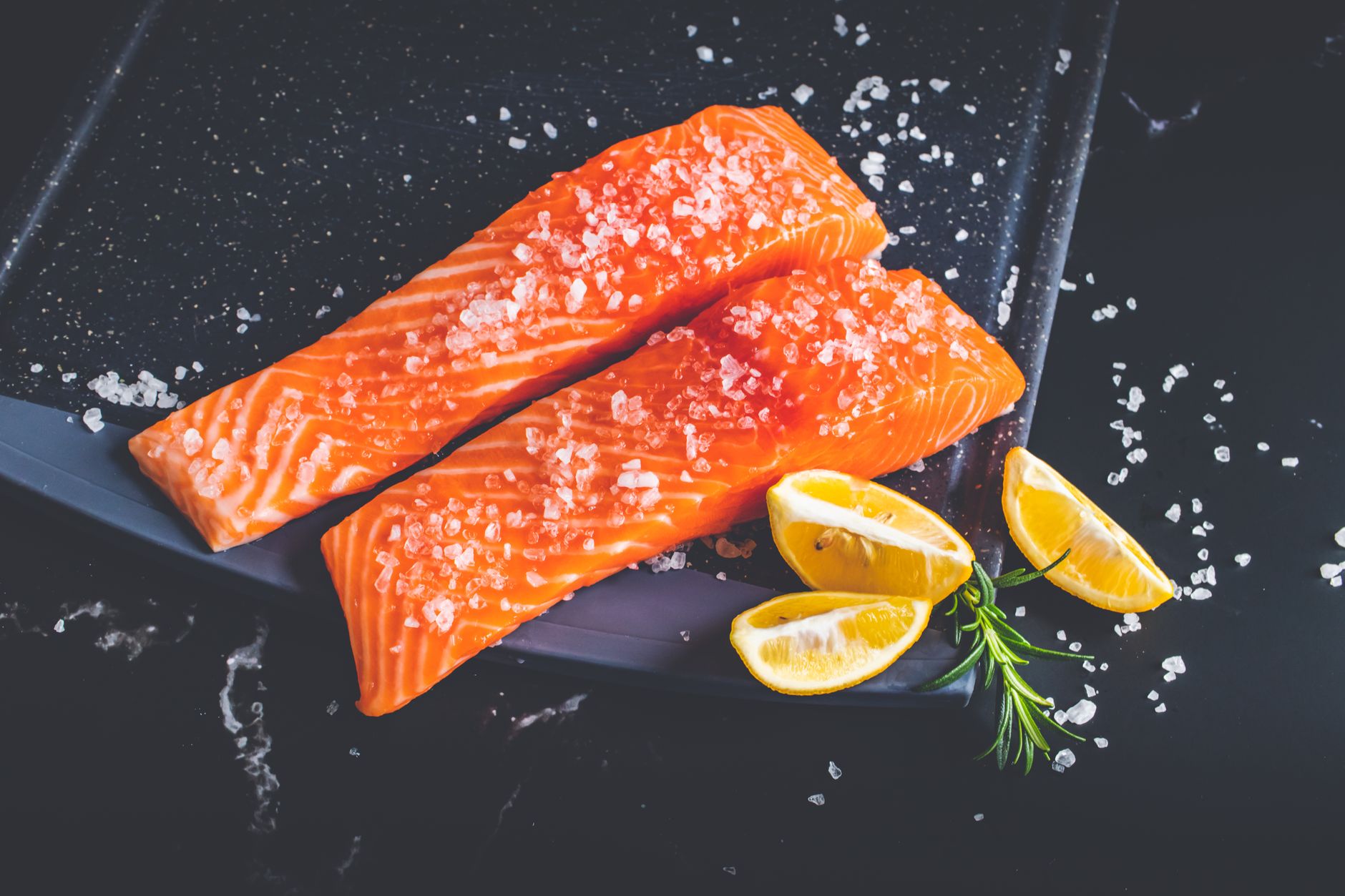
Salmon is a wonderfully versatile fish known for its rich, flavorful taste and appealing texture. Whether grilled, baked, or pan-seared, the right seasoning can elevate this dish, making it a true crowd-pleaser. Understanding which seasonings work best with salmon can help you achieve a delightful balance of flavor.
This guide delves into what seasoning you can put on salmon, including popular options, cooking techniques, and tips for the perfect fish. With the right information, you can transform a simple salmon fillet into a culinary delight that suits any occasion.
What Seasoning Do You Put on Salmon?
When seasoning salmon, options range from simple salt and pepper to complex marinades and spice blends. Common seasonings include lemon, garlic, dill, soy sauce, and various spice mixes. Selecting the right seasoning enhances the fish’s natural flavor while adding your desired taste profile.
Popular Seasonings for Salmon
Salmon pairs well with a variety of seasonings. Here is a comprehensive list of popular options:
- Salt and Pepper: The classic combination to bring out salmon’s natural flavors.
- Lemon: Fresh lemon juice or lemon zest adds brightness and acidity.
- Dill: A classic herb that complements salmon beautifully.
- Garlic: Fresh or powdered garlic provides a savory kick.
- Honey or Maple Syrup: Adds sweetness and caramelizes when cooked.
- Soy Sauce: For a savory, umami flavor, ideal for Asian-inspired dishes.
- Mustard: Adds a tangy, sharp flavor, especially Dijon mustard.
- Blackening Seasoning: A spice blend that creates a bold crust when cooked at high heat.
- Cajun or Creole Seasoning: Perfect for a southern twist, bringing in a touch of spice.
- Herbes de Provence: A mix of dried herbs that adds a rustic French flavor.
Flavor Profiles: Which Seasonings Work Best Together?
Pairing flavors is key to enhancing your salmon dish. Here are some classic combinations:
- Lemon and Dill: This refreshing duo compliments the richness of the fish.
- Honey and Soy Sauce: Sweet and savory, perfect for glazing grilled salmon.
- Garlic and Mustard: Adds depth and a slight tang that balances the fish’s flavor.
- Cajun Seasoning and Lemon: A zesty and spicy option that brings excitement to the dish.
Methods of Applying Seasoning to Salmon
How you apply seasoning can impact the final taste and texture of your salmon. Here are several methods to consider:
1. Marinades
Marinating salmon enhances flavor penetration. A typical marinade includes an acidic component (like lemon juice or vinegar), oil, herbs, and spices. Marinate for 30 minutes to 2 hours for best results. Avoid extended marination as it can alter the fish’s texture.
2. Dry Rubs
A dry rub is a mixture of spices and seasonings applied directly to the salmon before cooking. To make a dry rub:
- Combine your desired spices and seasonings in a bowl.
- Rub the mixture onto the salmon fillet, covering it evenly.
- Allow the fish to sit for 15 minutes before cooking to let the flavors infuse.
3. Glazes
Glazing salmon can add a sweet and sticky finish that enhances flavor. Make a simple glaze using honey, maple syrup, soy sauce, or citrus juice combined with herbs and spices. Brush the glaze on the salmon in the last minutes of cooking for a caramelized effect.
4. Toppings
Incorporating toppings can add flavor and texture to salmon. Options include:
- Breadcrumbs: For a crunchy topping, combine panko breadcrumbs with herbs and melted butter.
- Nut Crust: Chopped nuts combined with spices make a flavorful crunch.
- Salsa or Relish: Fresh fruit salsas or relishes can enhance the dish and provide acidity.
Cooking Techniques for Seasoned Salmon
The cooking method influences how the seasoning interacts with the fish. Here are some popular techniques:
1. Baking
Baking is a gentle method that allows seasonings to meld into the salmon. Preheat your oven to 375°F (190°C). Place seasoned salmon on a parchment-lined baking sheet and cook for 15-20 minutes, or until the salmon flakes easily with a fork.
2. Grilling
Grilling adds a smoky flavor and creates a delicious crust. Preheat the grill to medium-high heat. Oil the grill grates to prevent sticking, and place the seasoned salmon skin-side down. Grill for 4-6 minutes per side, depending on thickness.
3. Pan-Seared
Pan-searing creates a beautifully golden crust. Heat a tablespoon of oil in a skillet over medium-high heat. Once hot, add the seasoned salmon, skin-side down, and cook for about 4-5 minutes. Flip and cook an additional 3-4 minutes until done.
4. Broiling
Broiling cooks the fish quickly using high heat from above. Place the seasoned salmon on a broiler pan and broil for 6-8 minutes, monitoring closely to avoid overcooking. This method works particularly well with glazes, as the high heat caramelizes the sugars.
Timing: How Long to Cook Salmon Based on Thickness
Cooking salmon perfectly often depends on the thickness of the fillet. A general guideline is:
- 1-inch thick: 15-20 minutes in the oven or 4-6 minutes per side on the grill.
- 1.5 inches thick: 20-25 minutes in the oven or 5-8 minutes per side on the grill.
- 2 inches thick: 25-30 minutes in the oven or 8-10 minutes per side on the grill.
Always check for doneness; salmon should reach an internal temperature of 145°F (63°C). The fish should be opaque and flake easily with a fork.
Common Mistakes to Avoid When Seasoning Salmon
A few common pitfalls can affect the outcome of your seasoned salmon. Here’s what to watch out for:
- Overseasoning: Too much salt or seasoning can overpower the fish’s natural flavor.
- Neglecting to Rest: Resting allows juices to redistribute, enhancing flavor and moisture.
- Improper Cooking Temperature: Cooking at too high a temperature can lead to a dry, overcooked exterior.
- Ignoring Freshness: Always use fresh seasonings for the best flavor, especially herbs and spices.
Storage and Reheating Tips for Seasoned Salmon
If you have leftover seasoned salmon, proper storage ensures food safety and maintains quality. Here are tips for storing and reheating:
- Store leftover salmon in an airtight container in the refrigerator for up to 3 days.
- For freezing, wrap the salmon tightly in plastic wrap and then place it in a freezer bag. It can be frozen for up to 3 months.
- To reheat, place salmon in a preheated oven at 275°F (135°C) for about 15 minutes or until warmed through. Avoid microwaving, as it can lead to overcooking.
Variations and Substitutions for Salmon Seasonings
Feel free to get creative with your seasonings or adapt them to suit your pantry items. Here are some substitute ideas:
| Original Seasoning | Substitution | Flavor Impact |
|---|---|---|
| Dill | Tarragon | Similar anise-like flavor, though tarragon is stronger. |
| Garlic powder | Onion powder | Provides a different but savory base flavor. |
| Honey | Brown sugar | Provides sweetness but less complexity. |
| Blackening seasoning | Chili powder mix | Milder flavor, lacking the complexity of traditional blackening. |
Serving Suggestions for Seasoned Salmon
Once your salmon is beautifully seasoned and cooked, how you serve it can elevate the meal. Consider these ideas:
- Serve salmon with a side of quinoa or rice, and steamed vegetables for a well-rounded meal.
- Pair with a fresh salad dressed with lemon vinaigrette to complement the fish.
- Offer it on a toasted bun with arugula and aioli for a gourmet sandwich.
Final Thoughts on Seasoning Salmon
Seasoning salmon is an easy way to enhance its natural flavor. With the variety of options and methods, you can easily cater to taste preferences and dietary needs. Emphasizing natural ingredients while being creative in your seasoning choices allows you to personalize your dish.
For more tips on selecting the best salmon and how to tell if it is bad, explore our guide on how to tell if salmon is bad. Additionally, check out our unique blackening seasoning recipe for a bold cooking option.