
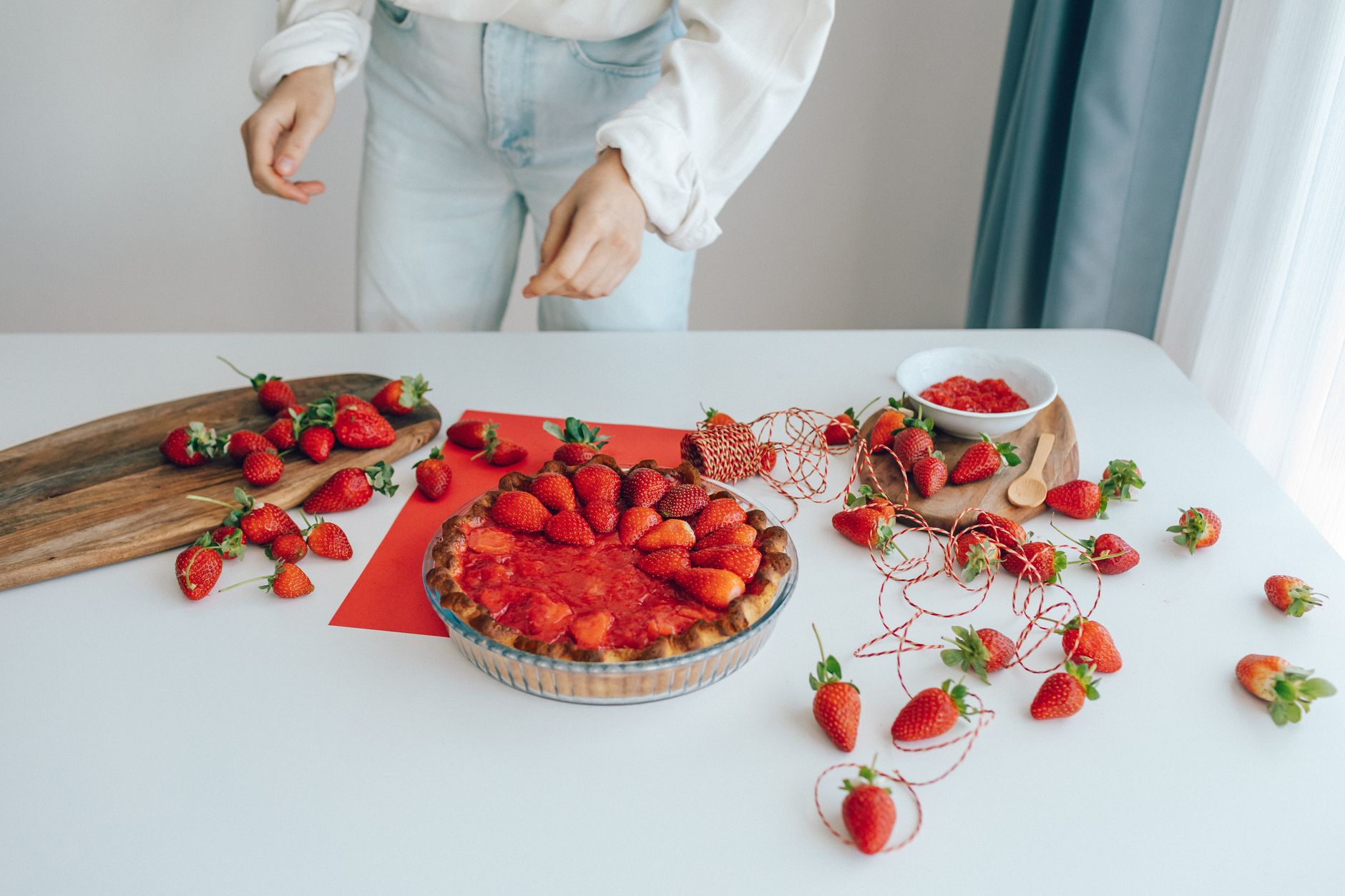
When baking pies, a crucial step in achieving a perfectly flaky crust is to prevent it from puffing up or shrinking during the pre-baking process. Pie weights serve as a helpful tool for this purpose. However, those without traditional pie weights can find themselves wondering what alternatives they can use instead.
This guide explores various items that can be used as pie weights, their effectiveness, and how to properly implement them in your baking process. With these insights, creating a beautifully baked crust will become a seamless part of your pie-making endeavors.
What to Use as Pie Weights?
Pie weights maintain the shape of your crust while it bakes, minimizing the risk of bubbling and shrinking. Common options include dried beans, rice, and commercially available weights, among others. Each alternative comes with its advantages, allowing you to choose based on what you have available.
The Purpose of Pie Weights
The key role of pie weights is to prevent pastry from puffing up or collapsing during the baking process. This ensures the crust bakes evenly and maintains its shape, resulting in a buttery and crisp outer layer.
When baking a single crust without filling, it’s essential to use pie weights or an alternative to help provide pressure while the crust bakes. Without this extra weight, the heat in the oven can create steam pockets underneath the dough, leading to a less-than-ideal texture.
Common Alternatives to Commercial Pie Weights
If you don’t have pie weights on hand, several household items can serve as effective substitutes. Here are some common alternatives:
- Dried Beans: This is one of the most popular substitutes for pie weights. Use a layer of parchment paper between the crust and the beans to prevent them from sticking.
- Uncooked Rice: Similar to dried beans, uncooked rice can evenly distribute weight across the pie crust, helping it to maintain its shape.
- Sand: Clean sand can be used in a pinch, particularly in a pie weight bag. Just make sure it’s food-safe and has not been exposed to chemicals.
- Sugar: Granulated sugar can be used in the same way as rice or beans. After baking, you can store it for future pie use, as it can be reused.
- Pennies: If you have copper pennies (pre-1982), they can be handy as they conduct heat well, but make sure to wash them thoroughly before using.
- Cooked Legumes: Canned beans can be used if you don’t want to use dried beans. Drain and rinse them before placing them on the crust.
- Heavy Oven-Safe Dishware: Small oven-safe bowls or dishes can be placed directly onto the crust. This method is particularly useful for smaller pies.
Usage Tips for Pie Weights
To use pie weights (or alternatives) effectively, follow these steps to ensure the best results:
- Prepare Your Pie Crust: Roll out your pie dough and fit it into your pie pan, trimming excess dough as needed.
- Chill the Crust: After placing the dough in the pan, refrigerate for about 30 minutes. Chilling helps prevent shrinking during baking.
- Line the Crust: Place a piece of parchment or wax paper in the crust, allowing enough to hang over the edges for easy removal later.
- Add Weights: Slowly fill the lined crust with your chosen weights. Make sure they are spread evenly across the surface.
- Bake: Bake the crust according to the recipe instructions, usually at around 375°F to 425°F (190°C to 220°C).
- Remove the Weights: After the designated time, carefully lift the parchment paper and remove the weights. Return to the oven if the crust needs more browning.
Commercial Pie Weights: Pros and Cons
If you’re considering investing in pie weights, here are some pros and cons to keep in mind:
| Pros | Cons |
|---|---|
| Reusable, easy to clean | May require a purchase |
| Exact weight for consistent results | Limited versatile uses compared to pantry items |
| Designed for baking, ensuring food safety | Some designs may be more challenging to store |
Choosing the Right Pie Weights for Your Recipe
The selection of pie weights can depend on the type of pie you’re baking. Here are some considerations:
- Flaky Pastry Tarts: Dry beans or ceramic weights work well since they conform to the shape of the pastry.
- Custard Pies: Use heavier alternatives like sugar or specially designed weights to keep the crust from shrinking.
- Pie Crust with Filling: If the pie has a filling, pie weights are not necessary during the initial blind-baking.
Common Mistakes When Using Pie Weights
Even experienced bakers can encounter challenges when using pie weights. Here are some pitfalls to avoid:
- Not Using Parchment Paper: Skipping this step can result in the weights sticking to your crust, tearing, or damaging the dough.
- Filling the Crust Too Much: Overpacking weights can cause the crust to take longer to bake or even crack.
- Forgetting to Remove Weights: Leaving them in for too long can lead to uneven baking and an overly dense crust. Remove weights when the edges start to brown.
How to Clean and Store Your Pie Weights
Regardless of the type of weights used, proper care and storage are key. Here’s how to maintain your pie weights:
- Dry Beans and Rice: Store in an airtight container in a cool, dry place. They can be reused for baking but should not be consumed afterward.
- Commercial Pie Weights: Clean with warm, soapy water or wipe them with a damp cloth. Make sure to dry them completely before storing.
- Sugar and Sand: Sugar can be stored in an airtight container and reused, while sand should be disposed of after use.
Alternative Baking Techniques
For those wanting to explore further beyond using pie weights, consider these options:
- Fork Pricking: Pricking the crust with a fork (docking) provides steam vents to help alleviate puffing but is less effective on its own than weights.
- Use of Other Cooking Tools: Some bakers place a second pie dish on top of the crust for added weight, though cushioning is recommended to prevent damage.
- Blind Baking with Coins: If you’re in a pinch, clean coins can be laid on the parchment. Just remember to sanitize them thoroughly first.
Storing and Reusing Pie Weights
After you’ve mastered the art of using pie weights, you may be interested in the storage and reuse of those weights:
For any weight that’s food-based (like beans or rice), store them in a dry, cool place and label them clearly. Keep in mind that they will not be suitable for consumption after being used for baking. Ceramic or metal weights can be cleaned and stored in a drawer or other easily accessible area.
Conclusion
Understanding what to use as pie weights can elevate your pie-baking game. Whether you opt for dried beans, uncooked rice, or invest in commercial weights, your crust will turn out flaky and delicious, free from bubble trouble. Using proper techniques and common kitchen items, you’ll have more confidence in every pie crust you bake.
Explore more baking insights and techniques with our Betty Crocker Pie Crust Recipe or try out our Quiche Crust Recipe for delightful meal options!