
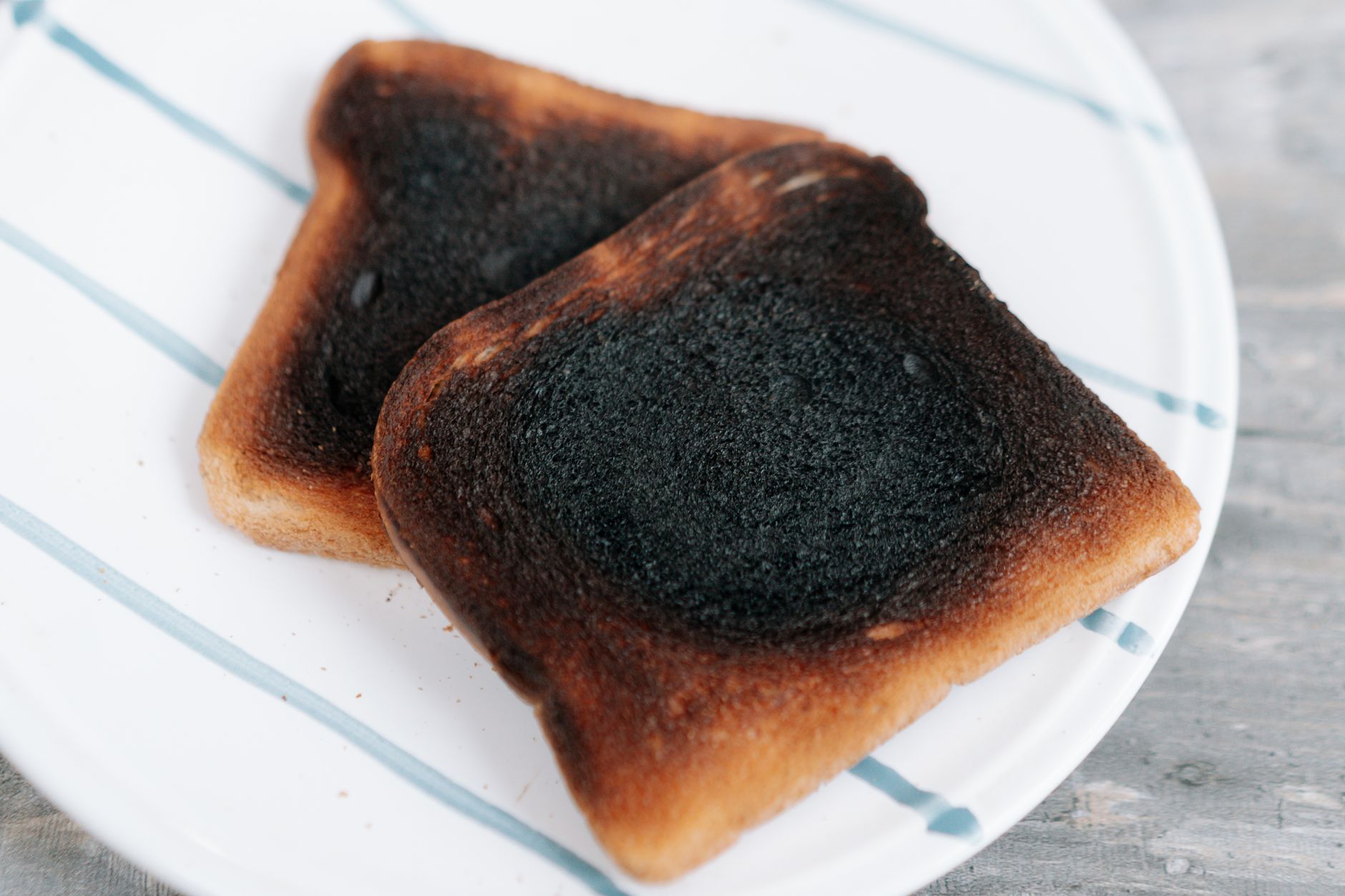
Burnt food often evokes a sense of wariness and concern regarding its health implications. While burnt edges may taste appealing to some, many question whether consuming such food poses health risks. This article explores the nutritional aspects of burnt food, potential benefits, and factors to consider when deciding whether to indulge.
First, let’s address the core question: Is burnt food bad for you? The answer is nuanced, as it depends on the type of burnt food, the cooking method, and how often you consume it. In this guide, we will delve into the science behind burnt food, its potential dangers, and how you can still enjoy grilling, roasting, or toasting without compromising your health.
Is Burnt Food Bad For You?
Burnt food can indeed pose health risks primarily due to the formation of substances known as acrylamides and polycyclic aromatic hydrocarbons (PAHs) during cooking. These compounds have been linked to various health concerns, including increased cancer risk.
The degree to which food is burnt can also influence its safety. Foods that are slightly charred may not present significant risks, while heavily burnt items are generally more concerning. It’s essential to understand the cooking processes that lead to burning and how they can be managed to create safer meals.
The Science Behind Burnt Food
When food is exposed to high temperatures, particularly during frying or grilling, it undergoes complex chemical reactions. The Maillard reaction contributes to flavor and color development, giving food a desirable brown hue. However, when food becomes excessively charred, it can produce harmful compounds. Let’s break down some key elements.
Acrylamides
Acrylamides are chemical compounds that can form in starchy foods when they are cooked at high temperatures (above 120°C or 248°F). Common sources include fried, baked, or roasted potatoes and bread. Research has shown that acrylamide can potentially lead to health issues, including cancer, when consumed in high amounts over time.
Polycyclic Aromatic Hydrocarbons (PAHs)
PAHs are formed when organic matter is burned, such as during grilling or barbecuing meats. These compounds can cling to food and are associated with various health risks, including cancer. The risk increases significantly with cooking methods that produce smoke and char, especially when cooking fatty cuts of meat over open flames.
Other Harmful Compounds
In addition to acrylamides and PAHs, burning food can lead to the creation of additional harmful compounds, including advanced glycation end products (AGEs). These have been linked to chronic diseases, such as diabetes and cardiovascular diseases. While these compounds are formed in small amounts, regular consumption of burnt food can add up over time.
Potential Benefits of Slightly Burnt Food
While excess char can be harmful, some lightly burnt flavors can provide a delightful taste experience. Several culinary traditions utilize slight charring to enhance flavor profiles. Here are some potential benefits worth considering:
Enhanced Flavor
A little char can lend a smoky flavor that is tantalizing in many dishes. Grilling vegetables or meats can caramelize sugars, resulting in a more complex taste. Enthusiasts of grilled and roasted foods typically appreciate these nuances, suggesting that some degree of char can enhance overall enjoyment without necessarily negative impacts on health.
Vitamin Enrichment
Cooking methods that promote browning, like grilling or roasting, can also help in breaking down cell walls in food, making vitamins and nutrients more bioavailable. Slightly burnt vegetables often maintain nutrient content while offering improved digestibility.
Textural Appeal
Burnt edges can provide additional texture and contrast in certain meals. This can enhance the overall eating experience, making food more enjoyable while retaining essential nutrients.
How to Cook Safely Without Burning Food
Being aware of potential hazards is essential, but there are practical steps you can take to enjoy your cooked meals while minimizing risks. Here are some useful techniques.
Use the Right Cooking Methods
- Oven Roasting: This method helps control temperature better than frying, reducing the chances of burnt food.
- Steaming: Steaming helps maintain nutrients without the risk of burning and is a particularly healthy cooking method for vegetables.
- Sous Vide: Sous vide cooking allows you to prepare food at lower temperatures for extended periods, minimizing charring.
- Slow Cooking: Using a slow cooker can also yield tender meals without burning.
Careful Monitoring
Keep an eye on your cooking. Use timers to help avoid overcooking. Additionally, adjust the heat as necessary to prevent food from burning. Regularly stir or flip food during cooking to promote even browning without charring.
Marinades and Basting
Marinating meats not only adds flavor but also helps reduce the formation of harmful compounds when grilling. Ingredients like olive oil, lemon juice, vinegar, and herbs can create a barrier against charring. Basting during cooking can help keep proteins moist, reducing the likelihood of burning.
Choose Lean Cuts of Meat
When grilling or roasting, opt for lean cuts of meat as they produce less fat that can cause flare-ups and excessive charring. Additionally, trimming visible fat off meat can further reduce the formation of harmful PAHs.
Recognizing Potential Risks: When to Avoid Burnt Food
Not all burnt food is created equal. Understanding when to discard or avoid certain meals is crucial for health. Here are situations when avoiding burnt food is advisable:
Overly Charred Foods
If food is severely blackened or tastes excessively bitter, it’s likely to contain higher levels of harmful compounds. In such cases, it’s best to discard it rather than consume the burnt portions.
Frequent Consumption
Individuals who frequently consume burnt food could increase their exposure to harmful substances. Moderation is key; it’s acceptable to enjoy charred foods occasionally, but they shouldn’t be a staple in your diet.
Risk for Vulnerable Populations
Children, pregnant women, and those with specific health conditions should be more vigilant about consuming burnt food. Their bodies may be more sensitive to the harmful compounds found in charred items.
Balancing Flavor and Health: Cooking Tips and Techniques
To enjoy the flavors you love while mitigating health concerns, consider implementing these smart cooking strategies.
Optimal Cooking Temperatures
Cooking foods at moderate temperatures prevents them from burning while allowing for the development of flavors. The ideal range for most cooking is between 350°F (177°C) and 425°F (218°C). This range helps foods brown without becoming overly charred.
Using Precise Cooking Tools
- Thermometers: Investing in a meat thermometer can help ensure that foods are cooked to safe temperatures without being burnt.
- Smoke Detectors: Ensure your kitchen is equipped with a functional smoke detector to alert you if cooking exceeds safety levels.
Cooking in Batches
Cooking in smaller batches allows for more even cooking and monitoring. Aim to avoid overcrowding pans, which can result in uneven heat distribution and increased chances of burning.
How to Enjoy Toasty Flavors Safely
Toast is a common food where people encounter slight charring. Here’s how to enjoy toasty flavors while minimizing risks:
Choosing the Right Bread
Select whole-grain or sourdough bread, which can enhance flavor and texture without increasing health risks associated with overconsumption of burnt products.
The Perfect Toasting Technique
- Set your toaster to a medium-low heat to allow for gentle browning.
- Monitor the toast closely and flip it as needed to ensure even cooking.
- Consider using a broiler to lightly toast bread, keeping the oven door slightly open for better visibility.
Alternate Toppings
Top your toast with nutrient-rich spreads like avocado, nut butters, or hummus for healthier options that mitigate the potential risks associated with charred bread.
What to Do If You’ve Burnt Food
If you inadvertently burn your food, here are some steps to consider:
Salvaging Flavor
If the food is only slightly burnt, consider scraping off the charred bits. Adding sauces or fresh herbs can help mask any residual burnt flavor.
Repurpose Ingredients
Sometimes, especially with vegetables, slightly burnt components can be repurposed into stocks or purees, where their flavors can be blended with others, minimizing health risks.
Storage and Reheating Guidelines
Proper storage and reheating are crucial to ensure food stays safe and doesn’t develop harmful compounds. Follow these guidelines:
Cool Down and Store
Allow cooked food to cool before placing it in the refrigerator. Store in airtight containers to minimize contamination and preserve flavor.
Reheat Safely
When reheating burnt food, do so at a temperature of at least 165°F (74°C) to kill any harmful bacteria. However, be mindful that reheating can further degrade burnt food, and it may be better to discard it if heavily charred.
Final Thoughts
Enjoying flavorful, charred dishes can be an enriching part of your culinary experience, as long as they’re consumed in moderation. Understanding the risks associated with burnt food and implementing practical cooking strategies will help you enjoy the best of both worlds.
To balance your diet, focus on vibrant vegetables, lean proteins, and whole grains, while developing a repertoire of cooking methods that minimize risks. Experiment with various techniques to find ways to add interesting flavors without burning your food frequently. You can also look into how to prepare delicious dishes like burnt ends with proper methods to capture desirable flavors.
For more recipes and cooking tips, explore our guides on related topics. Enjoy your culinary adventures!