
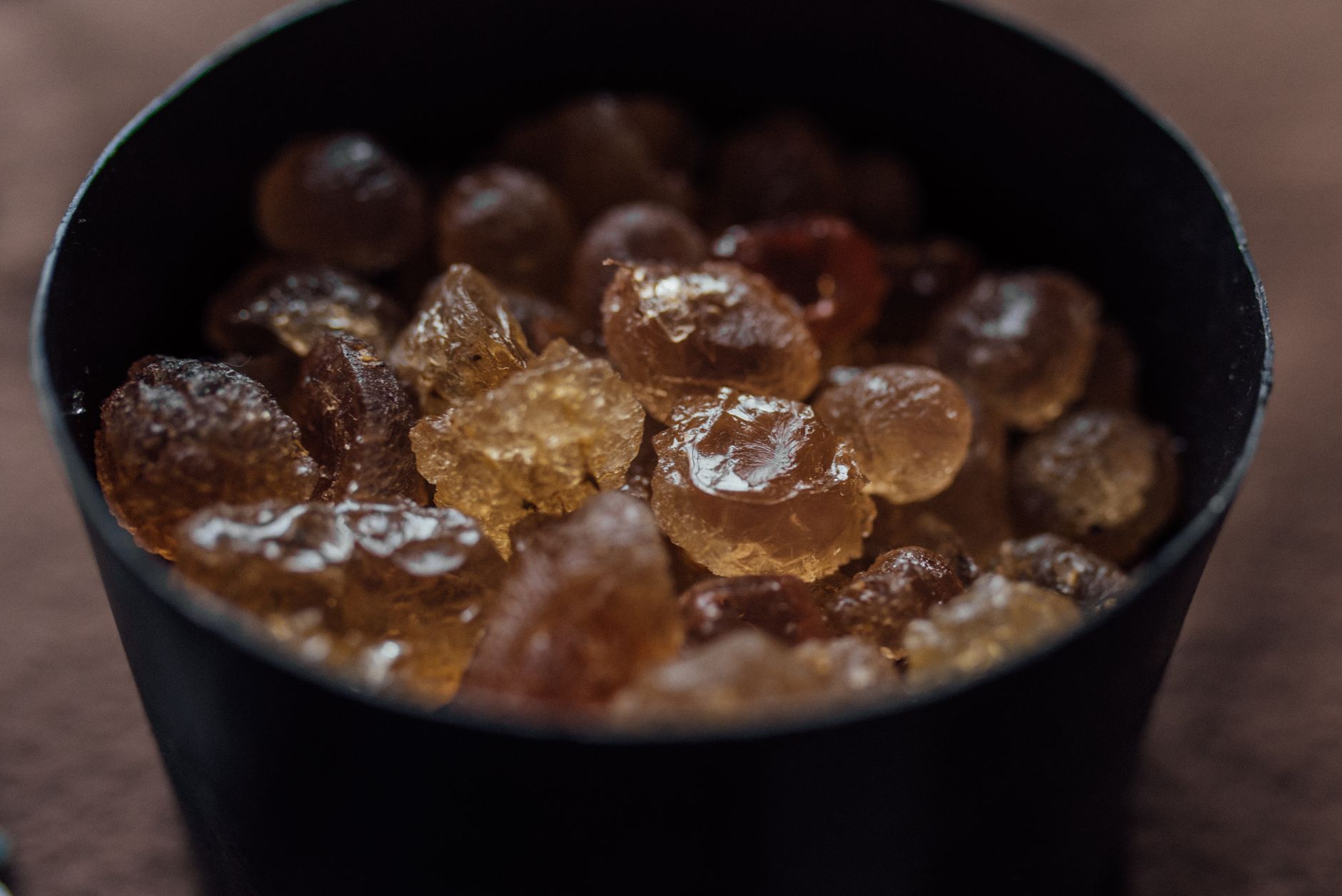
Palm sugar has gained popularity for its natural sweetness and potential health benefits. With many turning away from refined sugars, it’s essential to understand palm sugar’s nutritional profile and how it compares to other sweeteners. This article delves into the health aspects of palm sugar, exploring its potential benefits and nutritional information.
Is palm sugar a healthier alternative? This inquiry leads to a broader understanding of how this sweetener is produced, its uses, and the nutritional considerations to keep in mind. Let’s examine the health claims, nutritional facts, and culinary applications of palm sugar.
Is Palm Sugar Healthy?
Palm sugar is often regarded as a healthier alternative to refined sugar due to its lower glycemic index and presence of essential nutrients. While it does provide some nutritional benefits, moderation remains key. Overconsumption of any sweetener can lead to health issues such as weight gain and increased risk of chronic diseases.
What Is Palm Sugar?
Derived from the sap of various palm trees, palm sugar is produced through a simple process of tapping and boiling. The sap is collected and then heated until it crystallizes into a granulated sugar form. It is available in different varieties, mainly featuring coconut palm sugar and date palm sugar, each with distinct flavors and colors.
Nutritional Profile of Palm Sugar
Understanding the nutritional composition of palm sugar is essential for evaluating its health benefits. Below is a table that provides a basic breakdown of the nutrients found in 1 tablespoon (about 12.5 grams) of palm sugar:
| Nutrient | Amount |
|---|---|
| Calories | 45 |
| Total Carbohydrates | 12 g |
| Sugars | 10 g |
| Sodium | 0 mg |
| Potassium | 60 mg |
| Calcium | 2 mg |
| Iron | 0.1 mg |
Health Benefits of Palm Sugar
Here are some commonly cited health benefits associated with palm sugar:
1. Lower Glycemic Index
Compared to regular table sugar, palm sugar has a lower glycemic index (GI), meaning it raises blood sugar levels more slowly. This can be beneficial for individuals managing diabetes or those looking to stabilize blood sugar levels.
2. Nutrient-Rich
Palm sugar contains small amounts of essential nutrients like vitamins, minerals, and antioxidants, which can contribute positively to overall health. Though not a significant source, potassium, magnesium, and calcium can be found in palm sugar.
3. Antioxidants
Some studies suggest that palm sugar may contain antioxidants that help combat oxidative stress in the body. These antioxidants can potentially reduce inflammation and lower the risk of chronic diseases.
Considerations When Using Palm Sugar
While palm sugar has several benefits, there are important considerations to keep in mind:
1. Caloric Content
Despite being lower in GI, palm sugar is still high in calories. It is essential to use it in moderation to avoid excess caloric intake, which can lead to weight gain.
2. Potential for Overconsumption
Even though palm sugar is perceived as a healthier sweetener, it is crucial not to overconsume it. Excess sugar, even from natural sources, can still contribute to various health issues, including obesity and metabolic syndrome.
3. Allergies and Sensitivities
Some individuals may have sensitivities or allergies to palm sugar. It is advisable for those with known allergies to consult with a healthcare professional before incorporating palm sugar into their diet.
Culinary Uses of Palm Sugar
Palm sugar is incredibly versatile and can be used in a variety of dishes. Here are some common applications:
- Beverages: Palm sugar is a popular sweetener for drinks, such as smoothies, teas, and traditional Asian beverages.
- Desserts: Incorporate palm sugar into baked goods, puddings, or rice dishes for added depth of flavor.
- Marinades and Sauces: Use palm sugar in savory sauces and marinades for a balanced sweetness that enhances flavors.
- Vegetarian and Vegan Cooking: It serves as an excellent sweetener in plant-based recipes, offering a natural option for those avoiding refined sugars.
How to Substitute Palm Sugar
If you decide to incorporate palm sugar into your recipes, you may need to substitute it for other sweeteners. Here are some reliable substitution ratios:
- Granulated Sugar: Use a 1:1 ratio of palm sugar to granulated sugar, but note that palm sugar may add a slight caramel flavor.
- Brown Sugar: Substitute palm sugar for brown sugar at a 1:1 ratio, with similar taste benefits.
- Honey or Maple Syrup: Substitute 1 cup of honey or maple syrup with 1.25 cups of palm sugar, keeping in mind that adjustments might be needed for liquids in your recipe.
Common Mistakes When Using Palm Sugar
When working with palm sugar, here are some common pitfalls to avoid:
1. Not Measuring Properly
Being precise with measurements is crucial. If using palm sugar in baking, be sure to measure it accurately, as it can affect the texture and sweetness of the final product.
2. Ignoring Liquid Adjustments
Palm sugar has a different moisture content than refined sugars, particularly when substituting in baking. If using palm sugar in place of a dry sweetener, consider adjusting the liquid content in your recipes to compensate.
3. Overusing It
Many people assume that because palm sugar is “natural,” they can use it liberally. However, as with all forms of sugar, moderation is essential.
Storage and Shelf Life
Storing palm sugar properly can extend its shelf life. Here are some guidelines:
- Keep palm sugar in an airtight container to prevent moisture absorption.
- Store it in a cool, dark place away from direct sunlight.
- The shelf life can last for up to two years if stored correctly, but it’s always best to check for moisture or clumping before use.
Conclusion
Palm sugar can be a nutritious alternative to refined sugars, providing some health benefits while also adding unique flavor to a variety of dishes. While it’s essential to consider its caloric content and potential for overuse, palm sugar can be a delightful addition to a balanced diet when used judiciously.
To get started with palm sugar in your cooking, consider experimenting with recipes like chia pudding or explore the process of making homemade maple syrup as alternative sweeteners. Check out the chia pudding recipe or make your own maple syrup to diversify your sweetener options.