
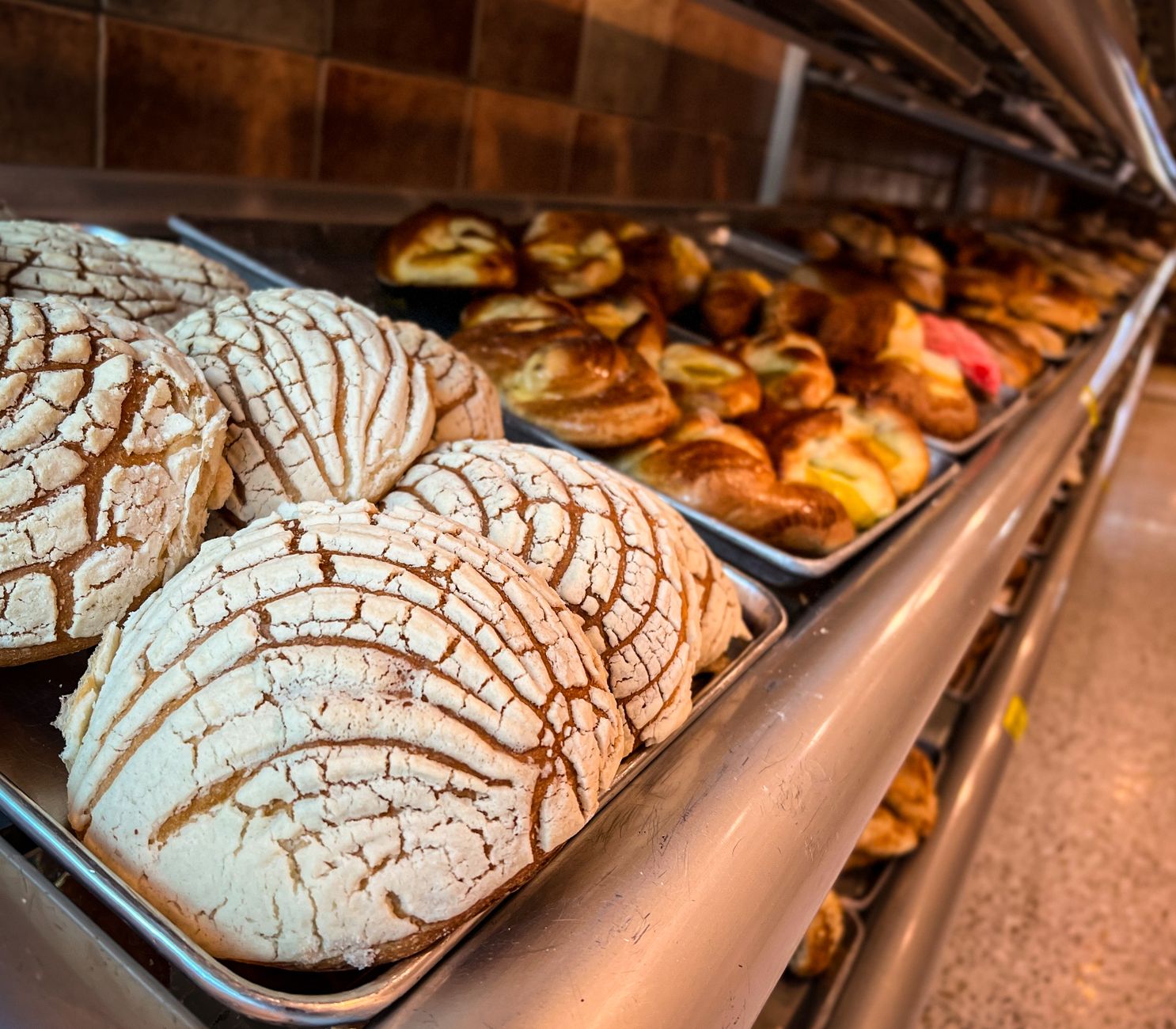
Pan dulce, a sweet and delightful Mexican pastry, is a beloved staple in Latin cultures, characterized by its variety of colors, shapes, and flavors. Traditionally enjoyed at breakfast or as a snack, this pastry is as inviting as it is versatile, offering something for everyone.
From its fluffy texture to its sugary topping, pan dulce captures the hearts of those who indulge in it. Understanding what pan dulce is, including its ingredients and the best ways to serve it, can enhance your culinary repertoire and bring a taste of Mexico into your home.
What Is Pan Dulce?
Pan dulce translates literally to “sweet bread.” It encompasses a variety of traditional Mexican pastries that are soft, sweet, and often adorned with colorful toppings or unique shapes. This delightful bread comes in many forms, such as conchas, orejas, and empanadas, each with its own specific preparation and flavor profile. Typically served with coffee, hot chocolate, or milk, pan dulce is often enjoyed during breakfast or as an afternoon treat.
Ingredients That Make Up Pan Dulce
The ingredients for pan dulce can vary based on the specific type being made, but there are some commonalities. Let’s look at the typical ingredients and their roles in creating this delicious pastry.
- Flour: All-purpose flour is the primary ingredient, providing the structure and base for the dough.
- Sugar: This sweetener balances the bread’s flavor and adds a touch of sweetness to the dough and toppings.
- Milk: Used to enrich the dough, milk contributes to a soft texture and adds flavor.
- Eggs: Eggs serve to bind the ingredients together while providing moisture and tenderness.
- Yeast: Active dry or fresh yeast is used for leavening, giving the bread its fluffy texture.
- Butter: Softened butter adds richness and flavor, resulting in a tender crumb.
- Salt: A small amount of salt enhances the overall flavor of the bread.
- Vanilla and Other Flavors: Vanilla extract and other flavorings may be added for depth. Different varieties may incorporate ingredients like cinnamon, chocolate, or anise to create unique flavors.
The Flavor and Texture of Pan Dulce
Pan dulce encompasses a range of tastes and textures. In general, it is soft and pillowy due to the yeasted dough, while various toppings add a contrasting crunch or sweetness. The flavors can be sweet, buttery, and sometimes fruity or spicy, depending on the style of pan dulce. For instance, conchas feature a sweet, crunchy topping that contrasts beautifully with the tender bread underneath, while orejas are flaky and layered, resembling a pastry version of a butterfly shape with a caramelized exterior.
Common Varieties of Pan Dulce
The diversity of pan dulce is vast, with many regional specialties. Here are some of the most popular varieties:
- Conchas: Arguably the most iconic pan dulce, conchas are round with a shell-like topping. They come in various colors, typically white, brown, or pink, and have a sweet, buttery flavor.
- Orejas: Also known as “palmiers,” orejas are shaped like ears and are made by rolling out puff pastry dough with sugar, resulting in a flaky, crisp texture.
- Empanadas: These are pastries filled with sweet ingredients like fruit jam, cream cheese, or chocolate, all enveloped in a soft dough.
- Cuernitos: Shaped like little horns, cuernitos are made with a sweet dough and often covered with sugar or cinnamon.
- Polvorones: These shortbread-type cookies are crumbly and often flavored with nuts or cinnamon, with a dusting of powdered sugar for added sweetness.
How to Serve Pan Dulce
Pan dulce is incredibly versatile when it comes to serving options. Here are some practical ideas to enjoy this delightful pastry:
- With Coffee or Hot Chocolate: Pairing pan dulce with a warm beverage enhances the experience. The sweetness of pan dulce complements the richness of coffee or the creaminess of hot chocolate.
- As a Dessert: Serve pan dulce as a delightful after-dinner treat. It can be enjoyed on its own or accompanied by fresh fruit or whipped cream.
- In Baked Treats: Crumble pan dulce over yogurt, oatmeal, or ice cream for added texture and flavor.
- With Cheese: Some varieties pair wonderfully with cheese, creating a sweet and savory dish suitable for brunch.
Making Pan Dulce at Home
While it can be tempting to visit a local bakery for your pan dulce fix, making it at home is rewarding and can yield delicious results. Here’s a simple overview of how to prepare traditional pan dulce:
Essential Equipment
- Mixing bowls
- Measuring cups and spoons
- Whisk
- Rolling pin
- Baking trays
- Kitchen towel or plastic wrap for resting
- Oven
Basic Steps for Making Pan Dulce
- Prepare the Dough: Start by mixing the yeast with warm milk and a little sugar to activate it. Allow it to sit until foamy.
- Combine Ingredients: In a bowl, combine flour, sugar, salt, and eggs. Add the activated yeast and melted butter. Mix until a soft dough forms.
- Knead the Dough: Knead the dough on a floured surface until smooth, approximately 8-10 minutes.
- Let It Rise: Place the dough in a greased bowl, cover with a cloth, and let it rise until doubled in size, about 1-2 hours.
- Shaping: After the dough has risen, punch it down and divide it into portions. Shape each portion according to the desired type of pan dulce (e.g., roll for conchas or fold for orejas).
- Prepare Toppings: While the dough rises again, prepare any toppings—this could include a sweet, buttery crust for conchas or sugar for orejas.
- Bake: Preheat the oven to 350°F (175°C). Place shaped dough on a baking tray and bake for 15-20 minutes or until golden brown.
- Cool and Serve: Allow to cool on a wire rack before enjoying. Serve warm or at room temperature.
Common Mistakes When Making Pan Dulce
Even experienced bakers can face challenges when making pan dulce. Be aware of these common pitfalls:
- Not Using Fresh Yeast: Ensure your yeast is active and not expired. Always proof the yeast to confirm it’s working before adding it to the dough.
- Under-kneading: A well-kneaded dough results in better structure. Make sure the dough is smooth and elastic before letting it rise.
- Overproofing: Letting the dough rise too long can lead to a collapse when baked. Keep an eye on the dough during the rising phases.
- Incorrect Oven Temperature: An overly hot oven can burn the exterior while leaving the interior undercooked. Always preheat your oven and use an oven thermometer if necessary.
Storage and Reheating Tips for Pan Dulce
Storing pan dulce properly ensures that you can enjoy its freshness even after the initial bake.
- Short-term Storage: Store pan dulce in an airtight container at room temperature for up to three days. If you plan to eat them later, consider wrapping them tightly in plastic wrap.
- Long-term Storage: For longer storage, pan dulce can be frozen. Wrap each piece in plastic wrap and place them in a freezer bag. They can be frozen for up to three months.
- Reheating: To enjoy frozen pan dulce, thaw it at room temperature and reheat in a preheated oven at 350°F (175°C) for about 10 minutes, or until warmed through.
Exploring Regional Variations of Pan Dulce
Different regions and communities may include unique versions of pan dulce influenced by local traditions and ingredients. Exploring these variations can offer a deeper appreciation for this pastry:
- Pan de Muerto: Traditionally made for the Day of the Dead, this sweet bread features a slightly sweet flavor and distinctive skull and crossbones shapes.
- Roscón de Reyes: A popular Spanish pastry, this is a ring-shaped cake traditionally eaten on Epiphany. It often contains a small figurine, with the person who finds it expected to host a party later.
- Pan de Elote: This corn bread has a rich, sweet flavor and incorporates fresh corn, creating a texture different from other pan dulce varieties.
Conclusion
Pan dulce is more than just a pastry; it is a cultural symbol that brings joy to countless families and communities. Whether enjoyed fresh from the oven or paired with your favorite beverage, pan dulce offers a delightful experience. Consider trying your hand at making your own at home for a true taste of tradition.
For more baking inspiration, check out these delightful recipes: Pan Sobao Recipe and Churro Cheesecake Recipe.