
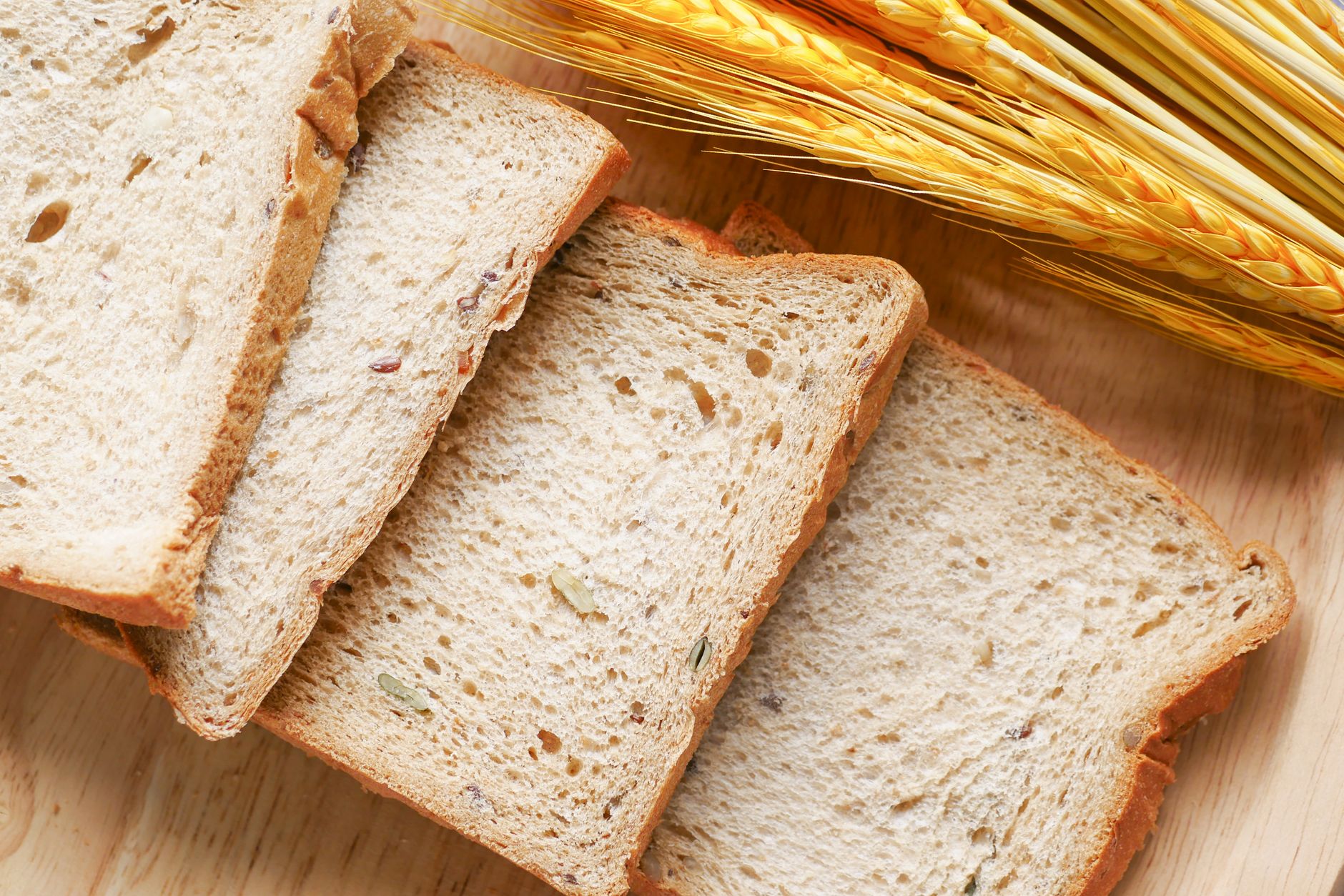
Wheat belly is a term that refers to the abdominal weight gain that some people experience as a result of consuming wheat-based products, particularly in Western diets. This phenomenon is often discussed in the context of various health and dietary considerations, particularly those linked to gluten and modern wheat’s effects on the body.
This article explores what wheat belly is, its ingredients, flavor profile, how it might affect you, and how to serve meals that are mindful of this condition. Whether you’re looking to reduce wheat consumption in your diet or understand the cultural implications of wheat products, this guide provides comprehensive insights.
What Is Wheat Belly?
Wheat belly refers to the accumulation of fat around the midsection, which some attribute to the consumption of modern wheat products containing gluten. The concept was popularized by Dr. William Davis, a cardiologist, in his book “Wheat Belly,” where he argues that the changes in modern wheat, particularly the hybridized varieties, contribute to obesity, diabetes, and other health problems.
Essentially, wheat belly suggests that wheat has undergone significant changes over the years, and these changes are linked to undesirable metabolic effects, such as increased insulin resistance and fat storage.
Ingredients Commonly Associated with Wheat Belly
To understand wheat belly, it’s essential to examine the components in wheat and wheat-based products:
- Gluten: A protein present in wheat that gives bread its elasticity and chewiness. It can cause digestive problems in some people, leading to weight gain.
- Carbohydrates: Wheat is high in carbohydrates, which can spike blood sugar levels, leading to increased fat storage when consumed in excess.
- Refined Sugars: Many wheat-based products contain added sugars, which contribute to caloric intake and can lead to weight gain.
- Phytates: Present in whole grains, phytates can inhibit nutrient absorption and may contribute to a collective negative impact on health when consumed excessively.
Flavor Profiles of Wheat-Based Products
Wheat offers a range of flavors depending on its form and preparation:
- Whole Wheat: Typically has a nutty, rich flavor and coarser texture. It is often used in bread, pasta, and baked goods.
- White Wheat: Milder in taste and smoother in texture, making it more versatile for baking and light dishes.
- Rye: Another related grain, offering a distinct earthy flavor that is often used in artisanal breads.
Wheat-based products also absorb flavors well, making them a great canvas for various spices, herbs, and other ingredients.
How to Serve Wheat-Based Meals Mindfully
If you’re monitoring your wheat consumption due to wheat belly or related health concerns, consider these practical serving suggestions:
1. Choose Whole Grains Over Refined Grains
Opt for whole wheat products, brown rice, or quinoa instead of white flour or white rice. Whole grains have more fiber and nutrients, which help maintain satiety and reduce blood sugar spikes.
2. Control Portion Sizes
Be mindful of portion sizes when serving wheat-based dishes. Smaller servings can help minimize caloric intake while still allowing you to enjoy the flavors.
3. Mix with Vegetables
Add a variety of vegetables to wheat-based dishes for increased volume and nutrients without a huge calorie count. For example, a whole wheat pasta dish can be elevated with zucchini, spinach, and bell peppers.
4. Consider Alternative Grains
Explore non-wheat alternatives like millet, buckwheat, or gluten-free grains. These offer different nutritional profiles and can be enjoyable to cook and serve too.
5. Enhance with Lean Proteins
If you’re serving wheat-based dishes, pair them with lean proteins like chicken, fish, or legumes. This combination can help balance meals and promote satiety.
Practical Substitutions for Wheat Products
In recipes calling for wheat, consider these practical substitutions:
- For All-Purpose Flour: Use almond flour, coconut flour, or a gluten-free flour blend. Keep in mind, the texture and moisture levels may vary, necessitating adjustments in liquid ingredients.
- For Bread: Try gluten-free bread made from millet, rice, or chickpea flour. These options deliver unique flavors while reducing gluten intake.
- For Pasta: Rice noodles or zucchini noodles (zoodles) can be used as alternatives to traditional wheat pasta.
- For Pancakes: Use oats ground into flour or alternative blends specifically designed for gluten-free pancakes.
Common Mistakes and Troubleshooting
Even when experimenting with smaller wheat intake or alternatives, there are common pitfalls that can arise:
- Overcomplicating Recipes: Instead of adding multiple substitutes, start with one and see how it affects flavor and texture.
- Ignoring Cooking Temperatures: Alternative flours have different absorption rates and may require adjustment in cooking temperatures or times. Keep a close eye on doneness.
How to Plan Meals Mindfully with Wheat Considerations
Meal planning can help maintain control over wheat consumption while ensuring meals remain satisfying and nutritious. Here’s how to plan effectively:
Step 1: Identify Your Staples
Determine what kinds of foods you want to include in your diet. Focus on whole grains, lean proteins, fruits, and vegetables. Create a list of alternatives for wheat-based items.
Step 2: Create a Balanced Grocery List
Pack your grocery list with nutritious foods. For example:
- Whole grains like quinoa and brown rice
- Fresh vegetables or frozen options
- Lean proteins like chicken, turkey, or legumes
Step 3: Plan Your Meals
Use your list to structure weekly meals. Aim for a mix of breakfasts, lunches, and dinners that incorporate various ingredients without relying heavily on wheat.
| Day | Breakfast | Lunch | Dinner |
|---|---|---|---|
| Monday | Oatmeal with fruits | Quinoa salad with vegetables | Grilled chicken with sweet potatoes |
| Tuesday | Veggie omelet | Stuffed bell peppers | Fish tacos using corn tortillas |
| Wednesday | Smoothie with spinach and banana | Chickpea salad | Stir-fried tofu with brown rice |
Step 4: Prep in Advance
Consider batch cooking proteins and grains at the start of the week for quick meal assembly, which can help you avoid impulse wheat-heavy meals.
Storage and Reheating Guidance
Storing your wheat or wheat alternatives properly can enhance shelf life and flavor:
- Grains: Store uncooked grains in airtight containers in a cool, dry place to prevent spoilage.
- Cooked Meals: Refrigerate leftovers within two hours of cooking in airtight containers. Consume within three to four days.
Conclusion
Understanding wheat belly involves exploring the ingredients, flavors, and ways to adapt meals to reduce or eliminate wheat. Each step from ingredient selection to meal planning can make a significant difference in managing consumption without sacrificing enjoyment.
For further exploration of wheat and its alternatives, consider discovering the difference between bleached and unbleached flour or learning about a gluten-free gnocchi recipe.