
As new parents navigate the world of feeding their little ones, questions abound regarding what foods are safe and appropriate for babies. One question that frequently arises is whether babies can eat medium rare steak. Understanding the dietary guidelines for infants and the implications of serving undercooked meats is crucial for their health and development.
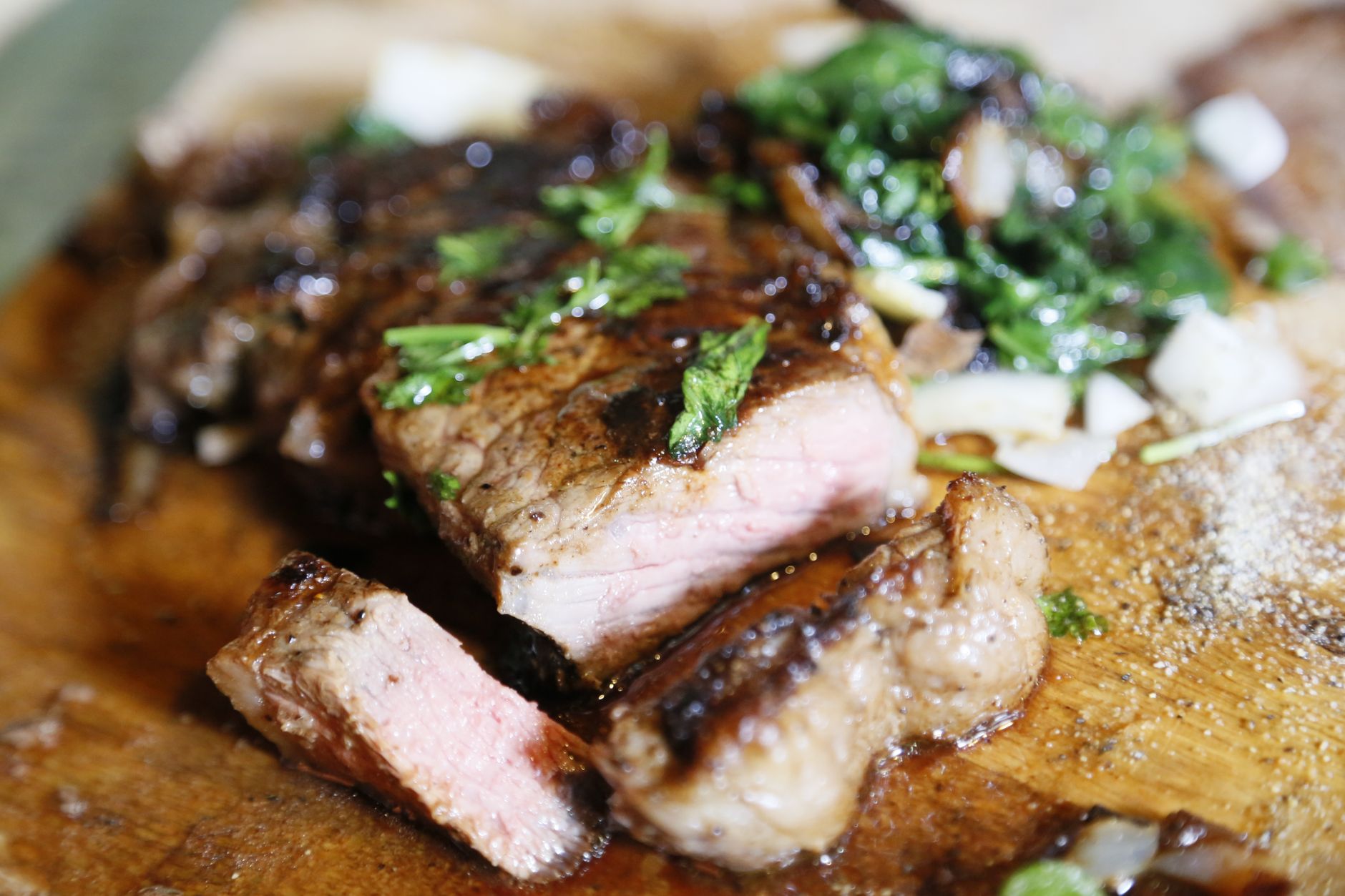
Medium rare steak, which retains a soft, tender texture and a warm red center, is often a favored option among adults. However, due to potential food safety concerns, it’s essential to evaluate if this cut of meat is suitable for babies. Let’s delve into the dietary considerations surrounding feeding medium rare steak to infants.
Can Babies Eat Medium Rare Steak?
Babies should not eat medium rare steak. Due to their developing immune systems and digestive tracts, infants are at a higher risk for foodborne illnesses, making it essential to serve fully cooked meats. The USDA recommends that ground beef and steak be cooked to a minimum internal temperature of 145°F (63°C) for safety.
Understanding Food Safety for Infants
Before introducing any solid food to your baby’s diet, particularly meat, understanding food safety guidelines is paramount. Babies, especially those under one year, have immature immune systems that are vulnerable to pathogens that may be present in undercooked meat.
Risks Associated with Undercooked Meat
Serving medium rare steak poses significant risks due to various potential bacteria and parasites, such as:
- Salmonella: Commonly present in undercooked poultry and sometimes in beef.
- E. coli: Often found in contaminated ground beef, it can cause severe illness.
- Listeria: Can be found in deli meats and unpasteurized products, posing risks to babies.
These pathogens may cause nausea, vomiting, diarrhea, and more severe complications in infants. Therefore, serving meat that is thoroughly cooked is not just a matter of preference—it is essential for safety.
When Can Babies Start Eating Meat?
Most pediatricians recommend introducing solid foods to babies around six months of age. This is also when meat can be introduced into their diet, provided it is fully cooked and prepared appropriately.
Best Practices for Feeding Meat to Infants
When introducing meat to your baby, consider the following guidelines:
- **Opt for well-cooked meats:** Ensure that meats are cooked to at least 165°F (75°C) to kill harmful bacteria.
- **Choose tender cuts:** Start with soft, easily chewable meats, such as chicken breast, turkey, or well-cooked lean beef.
- **Cut into small pieces:** Serve meat in small, manageable pieces that can be easily gummed or chewed by your baby.
Recommended Cooking Methods for Steak
Usually, well-cooked steak can make for a nutritious meal when prepared appropriately. Here are some cooking methods that ensure safety while keeping the meat tender and flavorful:
Grilling
Grilling is a popular cooking method for steak. However, ensure to monitor the temperature closely. Aim for a medium cook, which reaches an internal temperature of around 160°F (71°C). This method also imparts a smoky flavor that enhances the taste.
Pan-Searing
Pan-searing is another excellent method that creates a juicy and flavorful steak. Using a cast iron skillet, preheat the skillet to medium-high heat, sear the steak for about 3-4 minutes per side, and finish cooking until it reaches the appropriate temperature.
Oven Roasting
For even cooking, oven roasting steak can be an effective method. Preheat the oven to 400°F (200°C), sear both sides of the steak in a hot skillet, and then transfer it to the oven until it reaches the proper internal temperature.
Preparing Steak for Babies
Once the steak has been thoroughly cooked, it’s essential to prepare it properly for your baby:
- **Shred or chop:** Cut the steak into small, manageable pieces to prevent choking and make it easier for your baby to eat.
- **Avoid seasonings:** Especially early on, avoid using heavy spices or sauces that could upset a baby’s sensitive stomach.
- **Mix with other foods:** Combine shredded steak with soft vegetables, rice, or purees to create a balanced meal.
Common Mistakes to Avoid When Introducing Meat
When introducing meat into your baby’s diet, be cautious of common pitfalls:
- Not ensuring proper cooking: Always use a meat thermometer to verify that meats are cooked to safe temperatures.
- Forgetting food texture: Meat can be tough; always ensure it is tender and easy for your baby to chew.
- Introducing too early: Introducing meats too soon can overwhelm a baby’s digestive system. Stick to the recommended age.
When to Consult a Pediatrician
If you’re ever unsure about introducing certain foods, including meats like steak, consulting with a pediatrician is advisable. They can provide guidance tailored to your baby’s unique dietary needs, ensuring safe and balanced nutrition.
Alternatives to Steak for Nutritional Value
If you’re concerned about feeding your baby steak or would like a change, numerous alternatives are available:
- Chicken: Soft, white meat that offers high protein content and can be easily shredded.
- Fish: Soft white fish or salmon are rich in Omega-3 fatty acids and are easy to prepare for babies.
- Beans: Great plant-based protein options that can be mashed or pureed for younger babies.
Incorporating Meat in a Balanced Diet
Protein is essential in your baby’s diet, but it should be accompanied by a variety of other food groups. Pair well-cooked meats with:
- Fruits and vegetables: Provide essential vitamins and minerals and help with digestion.
- Grains: Foods like rice, quinoa, or oats can complement meat dishes.
- Dairy: If your baby has been introduced to dairy, small amounts of yogurt or cheese can be excellent sources of calcium.
Meal Planning for Baby’s Diet
As you start introducing different foods, planning balanced meals for your baby becomes crucial. Here are tips to consider:
- **Age-appropriate meals:** Focus on foods that match your baby’s developmental milestones.
- **Batch cooking:** Prepare larger quantities to save time while ensuring fresh, healthy meals for your baby.
- **Keep a food journal:** Track what foods you introduce, reactions your baby has, and any allergies or sensitivities that may arise.
Storage and Reheating Guidelines for Meat
If you have leftover well-cooked meat, ensure proper storage techniques are followed:
- **Refrigerate promptly:** Store leftover meat in an airtight container within two hours of cooking for food safety.
- **Use within three days:** Consume refrigerated leftovers within three days for the best quality.
- **Reheat thoroughly:** Reheat to an internal temperature of 165°F (74°C) before serving to your baby.
Final Thoughts on Feeding Babies Meat
In summary, while babies should not consume medium rare steak, well-cooked meat can be a nutritious addition to their diet as they begin exploring solid foods. Following safe cooking practices and being mindful of textures can create an enjoyable dining experience for your little one.
As you continue to navigate your baby’s dietary journey, remember to explore related recipes and cooking tips for variety and inspiration. Visit Petite Sirloin Steak Recipe or check out our T-Bone Steak Recipe for ideas that can be adjusted for the whole family, including safe options for your toddler.