
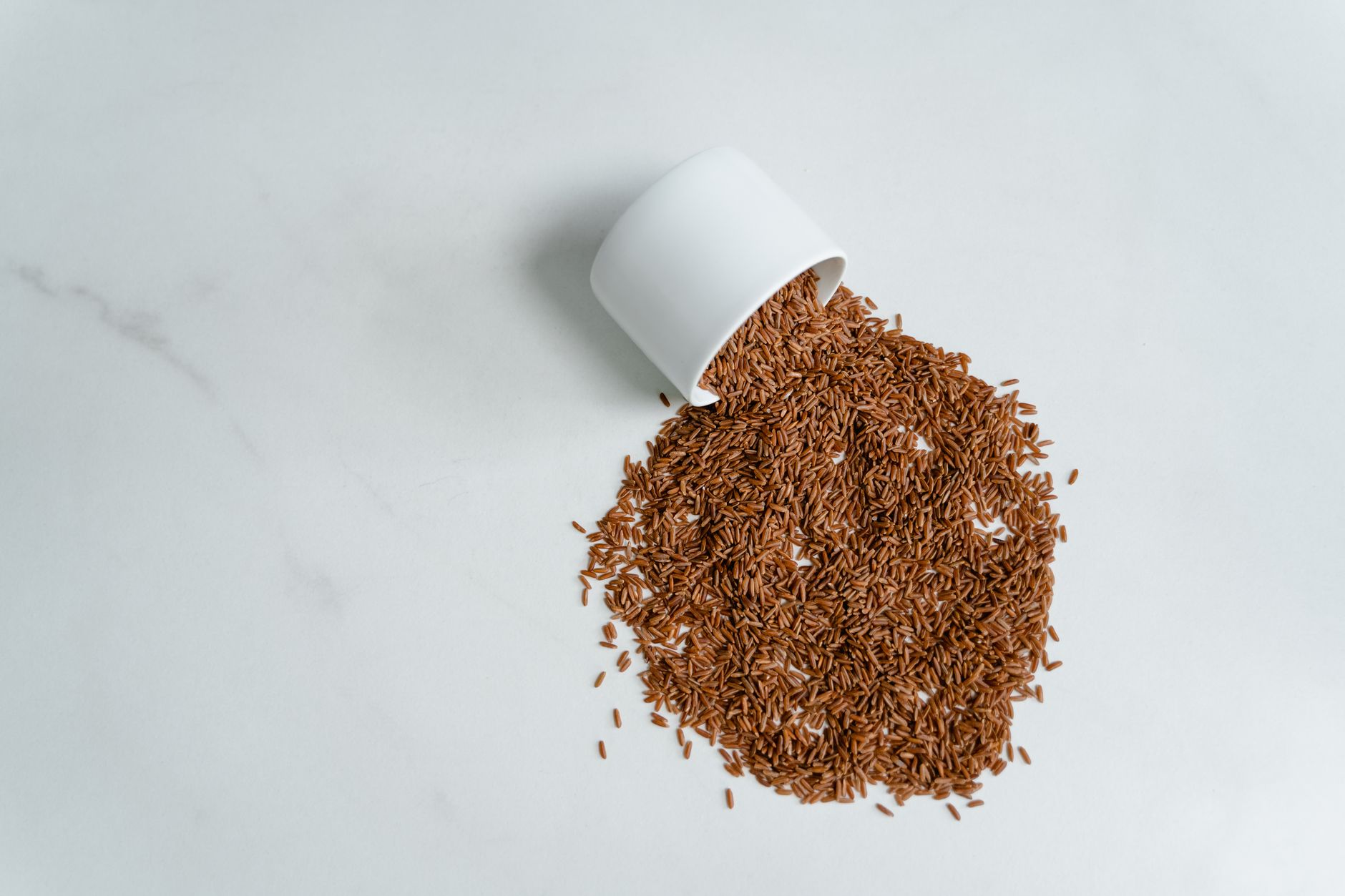
Understanding the measurement of rice is essential for both novice cooks and experienced chefs alike. Rice is a staple food in many cultures around the world, and knowing how much to prepare can help in meal planning and portion control.
One common question that arises is “How many grams is half a cup of rice?” This article will provide a detailed answer to that question, as well as insights into measuring rice accurately, cooking methods, and tips for obtaining perfect results every time.
How Many Grams Is Half a Cup of Rice?
Half a cup of uncooked rice typically weighs around 90 to 100 grams. However, this weight can vary slightly depending on the type of rice being measured. It is important to consider the type of rice, as different varieties have distinct densities and properties.
Types of Rice and Their Measurements
To understand the grams in half a cup, it’s essential first to know the different types of rice. Each type may have slightly different measurements in terms of volume and weight:
- Long-Grain Rice: Includes varieties like basmati and jasmine. Half a cup weighs approximately 90 grams.
- Medium-Grain Rice: Such as arborio or Valencia. Half a cup weighs around 100 grams.
- Short-Grain Rice: Like sushi rice. Half a cup weighs about 95 grams.
- Brown Rice: This whole grain possesses more fiber and nutrients. Half a cup weighs around 95 grams but may vary slightly.
- Wild Rice: Not a true rice but a grain. Half a cup weighs approximately 90 grams.
Measuring Rice Accurately
Accurate measurement of rice is crucial for achieving the desired texture and doneness in your cooking. Here are some tips to ensure you’re measuring rice correctly:
- Use a Dry Measuring Cup: Always use a dry measuring cup for measuring rice. These cups are designed to give accurate volume measurements.
- Scoop and Level: When measuring, scoop the rice into the cup, then use a straight edge (like a knife) to level off the top. This prevents over-packing.
- Tare the Scale: If using a kitchen scale for measuring rice in grams, make sure to tare the scale with your bowl or container before adding the rice.
- Check for Clumps: Make sure the rice is not clumping. If clumped together, separate the grains before measuring to ensure an accurate amount.
Cooking Rice: Preparation and Techniques
Cooking rice may seem simple, but it requires attention to detail to achieve perfect results. Here’s a guide on preparing and cooking rice properly:
Ingredients for Cooking Rice
- 1/2 cup of uncooked rice (90-100 grams depending on the type)
- 1 cup of water or broth (adjust according to rice variety)
- Optional: Salt, butter, or oil for flavor
Essential Equipment
- Measuring cups
- Medium saucepan with a lid
- Wooden spoon or spatula
- Kettle or another heat source for boiling
Step-by-Step Cooking Method
- Measure the rice and rinse: Place the uncooked rice in a fine-mesh strainer and rinse under cold running water until the water runs clear. This removes excess starch, preventing the rice from becoming sticky.
- Measure the water: For most white rice varieties, use a 1:2 rice-to-water ratio. For brown rice, you may need slightly more water (1:2.5).
- Combine: In a medium saucepan, combine the rinsed rice and the measured water. You may add a pinch of salt or a splash of oil for flavor if desired.
- Bring to a boil: Set the saucepan over medium-high heat and bring to a boil.
- Reduce heat: Once boiling, reduce the heat to low and cover the saucepan with a tight-fitting lid.
- Simmer: Allow the rice to simmer for about 18-20 minutes for white rice and 35-40 minutes for brown rice without lifting the lid.
- Check doneness: After the cooking time, turn off the heat and let it sit covered for 5-10 minutes. Remove the lid and check if the rice is tender and the water is absorbed. If not, cover and cook a few additional minutes.
- Fluff and serve: Use a fork to fluff the rice gently before serving.
Common Mistakes and Troubleshooting
Cooking rice may lead to some common pitfalls. Here are a few mistakes to avoid and troubleshooting tips:
- Overcooking: This makes rice mushy. Keep to the recommended water and cooking times.
- Undercooking: If rice is still crunchy after the suggested time, add a small amount of water, cover, and cook for a few more minutes.
- Lid lifting: Resist the urge to lift the lid while the rice is steaming, as this can release steam and affect doneness.
- Sticking: Rinsing the rice beforehand usually helps. If sticking occurs, it may be due to not enough water or overcooking.
Storage of Cooked Rice
Knowing how to store cooked rice properly is essential to maintain its texture and flavor:
- After cooking, allow the rice to cool to room temperature before refrigerating.
- Store cooked rice in an airtight container in the refrigerator for 4-6 days or in the freezer for up to a month.
- To reheat, add a splash of water and cover before microwaving or reheating on the stove, preventing drying.
Variations and Substitutions
While rice is versatile, you might want to experiment with different grains or variations:
- Quinoa: Similar in texture; cook at a 1:2 ratio (quinoa to water).
- Couscous: Quick-cooking; use a 1:1 ratio with water.
- Freekeh/Bulgur: Chewy and nutritious; adjust cooking times based on package instructions for each type.
Conclusion
Understanding how many grams is in half a cup of rice and how to prepare it accurately will elevate your cooking. Remember to measure properly and adjust water ratios based on the rice type you choose. Whether enjoying a simple side dish or a hearty main meal, mastering rice can enhance your culinary skills greatly.
For more cooking tips and guides, explore how to measure water for rice or try our delicious Puerto Rican rice recipe. Always strive to experiment with flavors and techniques!