
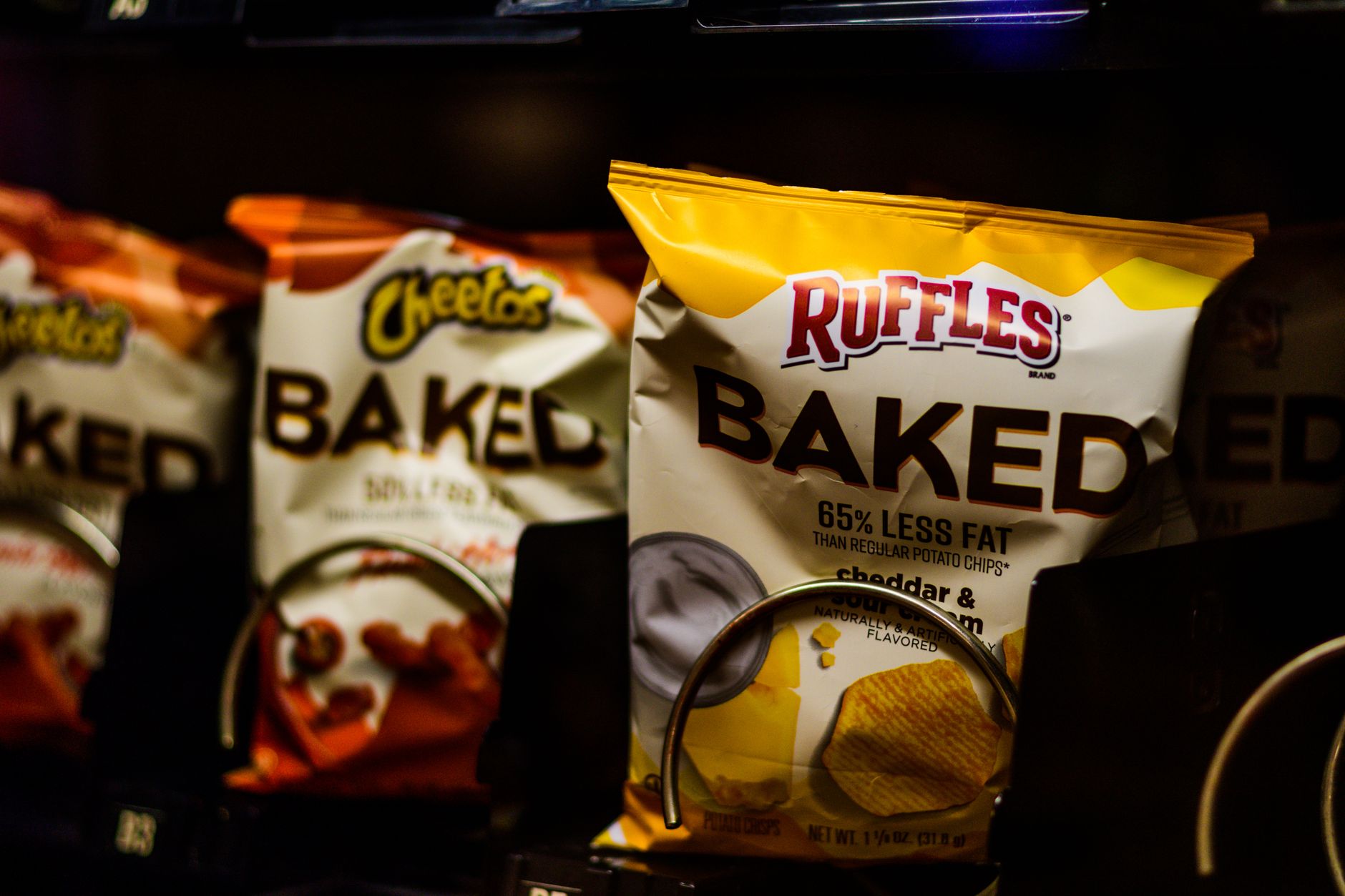
Cheetos are a beloved snack known for their crunchy texture and bold flavors. As more consumers prioritize dietary restrictions, a common question arises: do Cheetos contain dairy? Understanding the ingredient list is essential for those with lactose intolerance, dairy allergies, or specific dietary choices.
This article will explore the ingredients of Cheetos, discuss dairy involvement, label analysis, and considerations for cross-contact with dairy products. Knowing these details will empower you to make informed snacking choices.
Do Cheetos Have Dairy?
The classic Cheetos do contain dairy ingredients, specifically cheese and whey. However, some Cheetos varieties, like the Cheetos Puffs and certain limited-edition flavors, also contain dairy elements. For anyone avoiding dairy, it’s crucial to read labels and ingredient lists closely.
Understanding Cheetos Ingredients
Cheetos are manufactured by Frito-Lay, and each variety has its unique combination of ingredients. Here’s a general overview of what you can expect in a standard bag of Cheetos.
Common Ingredients in Cheetos
- Cornmeal
- Vegetable oil (corn, canola, and/or sunflower oil)
- Cheddar cheese (milk, cheese culture, salt, enzymes)
- Whey (a byproduct of cheese production)
- Salt
- Flavoring agents
- Coloring agents (such as annatto or beta-carotene)
- Spices
The primary dairy ingredients are the cheddar cheese and whey, which contribute to the cheesy taste and flavor profile that fans love. Always check the ingredient list on the specific Cheetos product you plan to purchase, as formulations can change.
Potential Dairy-Free Alternatives
For those avoiding dairy, some snack alternatives boast similar textures or flavors without using dairy. Here are a few options:
- Rice cakes topped with dairy-free cheese
- Dairy-free popcorn seasoned with nutritional yeast
- Chickpea puffs or crisps
- Potato chips flavored with vegan cheese
These alternatives can provide the crunch you crave without the dairy content found in traditional Cheetos.
Label Analysis
Understanding food labels is crucial for recognizing dairy content. Cheetos packaging includes specifics about allergens, which can guide you in making safe choices.
Identifying Dairy on Labels
The ingredient list and allergen statements are key. Here’s what to look for:
- Ingredient List: As outlined earlier, check for terms like cheddar cheese or whey.
- Allergen Information: This section often highlights common allergens like milk. Look for statements like “Contains milk” or “May contain traces of milk.”
- Vegan Certification: Some snacks may have vegan certifications, meaning they explicitly contain no animal-derived ingredients.
Staying Updated with Ingredient Changes
Cheetos and similar products may alter their recipes based on consumer demand or ingredient sourcing. Regularly check packaging for the most current ingredient information to ensure compliance with your dietary needs.
Cross-Contact Considerations
Cross-contact can be an issue for individuals with severe dairy allergies. This can occur in manufacturing processes where dairy and non-dairy products are made in the same facility.
Understanding Cross-Contact Risks
When examining Cheetos, consider these factors:
- Manufacturing Practices: Snacks made in shared facilities may pose cross-contact risks. Check for disclaimers on the packaging.
- Preparation Areas: If you are particularly sensitive, it’s necessary to avoid foods made in establishments that serve dairy products, as cross-contamination can occur.
Varieties of Cheetos and Their Dairy Content
Cheetos come in various flavors and styles, which may have different ingredient lists. Here’s a brief overview of popular types and their dairy presence:
Classic Cheetos
The original Cheetos flavor contains cheddar cheese and whey, making it unsuitable for those avoiding dairy.
Cheetos Puffs
This popular variation also contains cheese and should be avoided on a dairy-free diet.
Cheetos Flamin’ Hot
While the Flamin’ Hot variety shares a similar cheese base, check the label as formulations may differ slightly due to additional seasoning.
Other Limited Editions and Varieties
Limited-edition flavors occasionally appear on shelves. These may include cheese-based flavors or new seasoning combinations. Always read the ingredient list as they may introduce new components.
Creative Uses for Cheetos
Cheetos can be utilized in various creative culinary applications. Ensure to consider the dietary restrictions of your guests or family. Here are some ideas:
Cheetos as a Topping
Crushed Cheetos can add a crunchy topping to various dishes:
- Macaroni and cheese
- Salads for an unexpected crunch
- Meatloaf or meatballs for a twist
In Baking and Cooking
Use Cheetos for an interesting ingredient in baked goods or savory dishes:
-
Incorporating crushed Cheetos into savory muffins can provide a cheesy flavor.
-
Add to your favorite cream-based stews for a crispy garnish.
Tips for Checking Dairy Content
Here are essential tips to ensure safe snacking when choosing products like Cheetos:
- Always read the ingredient list carefully.
- Check the allergen information for any dairy mentions.
- Know your sensitivity levels. Some individuals may tolerate trace amounts of dairy, while others cannot.
- Consider reaching out directly to the manufacturer for any specific inquiries regarding their products.
In Conclusion
Cheetos indeed contain dairy, primarily in the form of cheddar cheese and whey. It’s essential for individuals with dairy restrictions to read labels and be aware of cross-contact scenarios. Exploring dairy-free alternatives can also provide satisfying snack options. When in doubt, always prioritize checking the packaging and allergen statements for the most accurate information.
If you’re looking for delicious recipes or other practical food guides, explore our cottage cheese dip recipe or check out our unique cottage cheese brownie recipe.