
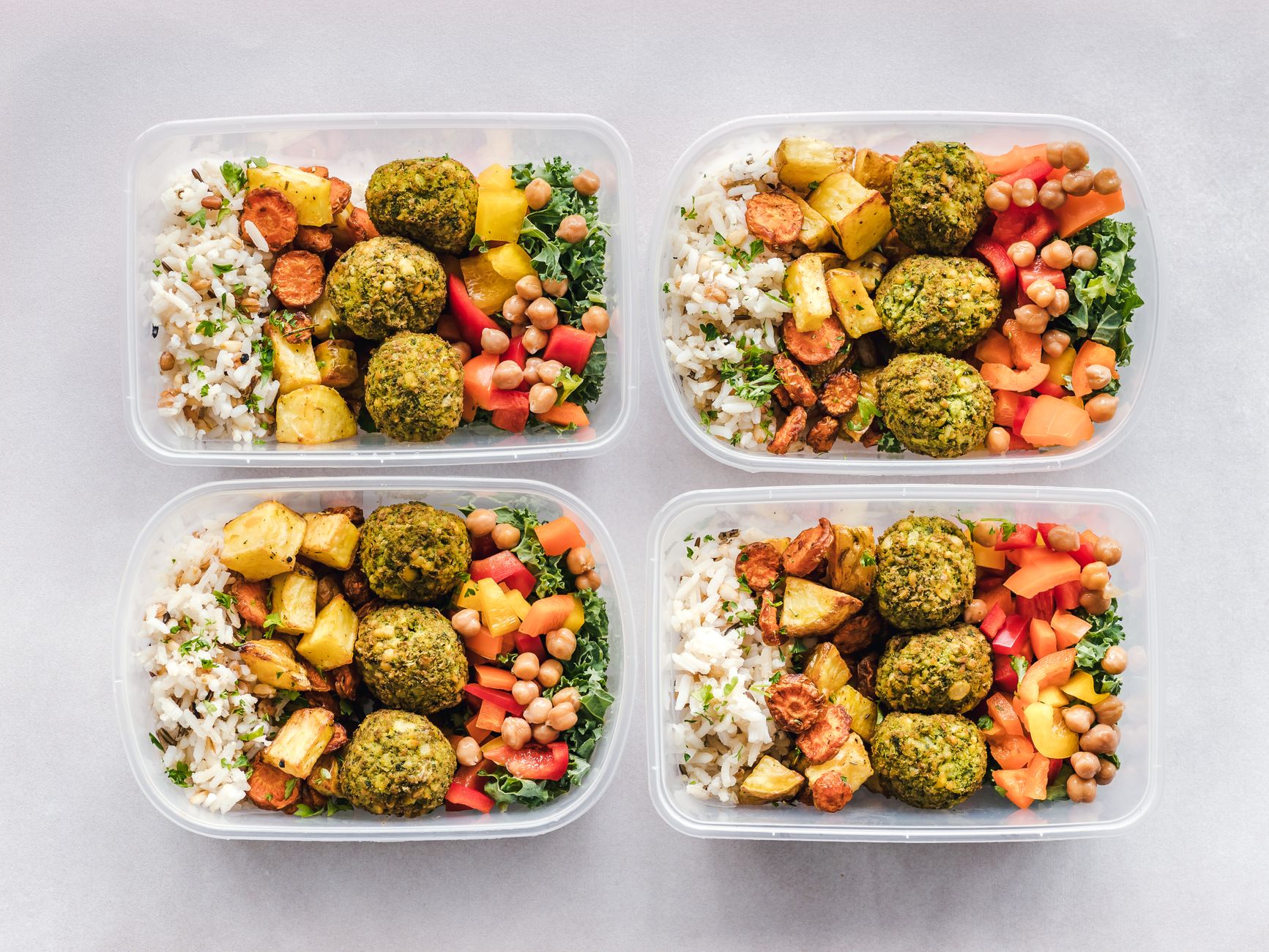
A high protein diet focuses on increasing the intake of protein-rich foods to support various health and fitness goals. This dietary approach is prevalent among individuals looking to build muscle, enhance recovery, and manage weight. Understanding what a high protein diet consists of helps you make informed decisions about your food choices.
This article will cover the key components of a high protein diet, including types of protein sources, meal planning, and practical tips for incorporating these foods into your daily routine.
What Does a High Protein Diet Consist of?
A high protein diet primarily consists of foods that are rich in protein while being balanced with other macronutrients. It generally includes animal-based proteins, plant-based proteins, dairy products, nuts, and legumes. Typically, the primary aim is to provide at least 20-30% of daily caloric intake from protein.
Understanding Protein Sources
Protein sources are categorized mainly into two types: animal-based and plant-based. Each source has its unique qualities and benefits.
Animal-Based Protein Sources
Animal-based proteins are considered complete proteins because they contain all nine essential amino acids. Here are some common sources:
- Meat: Red meat (beef, lamb) and white meat (chicken, turkey) are rich in protein.
- Fish: Fish like salmon, tuna, and trout not only provide protein but also omega-3 fatty acids.
- Poultry: Chicken and turkey breast are lean sources of protein, making them a preferred choice.
- Eggs: Whole eggs and egg whites are versatile protein sources high in nutrients.
- Dairy Products: Milk, yogurt, and cheese offer protein, calcium, and other essential nutrients.
Plant-Based Protein Sources
Plant-based proteins may be incomplete, but combining different sources can provide all the essential amino acids. Here are some excellent choices:
- Legumes: Beans, lentils, and chickpeas are rich in protein and fiber.
- Nuts: Almonds, peanuts, and walnuts provide healthy fats along with protein.
- Seeds: Chia seeds, hemp seeds, and flaxseeds are nutrient-dense sources of protein.
- Whole Grains: Quinoa, brown rice, and oats can contribute to protein intake while offering energy.
Recommended Daily Protein Intake
The recommended daily allowance (RDA) for protein varies based on age, sex, and physical activity level. Typically, it is suggested to consume:
- Adult Women: 46 grams per day
- Adult Men: 56 grams per day
- Active individuals: Up to 1.2-2.0 grams per kilogram of body weight
Creating a High Protein Meal Plan
Planning meals with a focus on protein can help balance your diet and achieve health goals. Here is a sample high protein meal plan to get you started:
Sample High Protein Meal Plan
| Meal | Food Items | Approximate Protein Content |
|---|---|---|
| Breakfast | Scrambled eggs with spinach and feta | 20 grams |
| Snack | Greek yogurt with berries | 15 grams |
| Lunch | Grilled chicken salad with quinoa | 40 grams |
| Snack | Hummus with carrot sticks | 8 grams |
| Dinner | Baked salmon with broccoli and brown rice | 35 grams |
Tips for Increasing Protein Intake
Here are some practical tips for incorporating more protein into your diet:
- Start with Breakfast: Include eggs, Greek yogurt, or protein smoothies to kickstart your day with protein.
- Snack Smart: Choose snacks like nuts, cheese sticks, or protein bars instead of chips or sweets.
- Balance Your Meals: Ensure each meal contains a good source of protein, such as lean meats, fish, dairy, or legumes.
- Use Protein Supplements Sparingly: Consider protein shakes or powders when convenient, but focus on whole food sources first.
- Experiment with Recipes: Try new recipes that highlight protein-rich ingredients.
Common Mistakes to Avoid on a High Protein Diet
While a high protein diet can be beneficial, some common pitfalls can occur, including:
- Focusing only on protein while neglecting carbohydrates and fats can lead to an unbalanced diet.
- Choosing processed protein sources, which may be high in sodium and preservatives, over whole foods.
- Poor hydration can occur if protein needs overshadow fluid intake needs.
Common Protein-Rich Recipes
Here are a few high protein recipes you can try.
Protein Brownies
Protein brownies offer a delicious way to satisfy your sweet tooth while boosting your protein intake.
- Ingredients:
- 1 cup black beans, rinsed and drained
- 2 ripe bananas
- 1/2 cup cocoa powder
- 1/4 cup honey or maple syrup
- 1/4 cup nut butter
- 2 teaspoons vanilla extract
- 1/2 teaspoon baking soda
- 1/4 teaspoon salt
- Preheat the oven to 350°F (175°C) and grease an 8×8-inch baking dish.
- In a blender or food processor, combine the black beans, bananas, cocoa powder, honey, nut butter, vanilla, baking soda, and salt.
- Blend until smooth and fully combined.
- Pour the batter into the prepared baking dish, spreading it evenly.
- Bake for 20-25 minutes or until a toothpick comes out clean.
- Let cool before cutting into squares and serving.
Protein Cookies
Protein cookies make for a great snack option without compromising your protein goals.
- Ingredients:
- 1 cup almond flour
- 1/2 cup protein powder (vanilla or chocolate)
- 1/4 cup honey or maple syrup
- 1/4 cup coconut oil, melted
- 1/2 teaspoon baking powder
- 1/4 teaspoon salt
- 1/2 cup dark chocolate chips (optional)
- Preheat the oven to 350°F (175°C) and line a baking tray with parchment paper.
- In a bowl, mix almond flour, protein powder, baking powder, and salt.
- In another bowl, combine honey and melted coconut oil until smooth.
- Gradually add the dry ingredients to the wet ingredients, mixing well.
- Fold in the chocolate chips if using.
- Drop spoonfuls of the mixture onto the baking tray and flatten slightly.
- Bake for 10-15 minutes or until golden brown around the edges. Let them cool before serving.
Storage and Reheating Guidelines
Proper storage of protein-rich foods is essential for maintaining freshness and safety. Here are some general guidelines:
- Store cooked meats and fish in airtight containers in the refrigerator and consume within 3-4 days.
- Cooked legumes can also be stored in the fridge for up to three days, while they last longer in the freezer.
- Protein bars and snacks can be kept in a cool, dry place but check for expiration dates.
Conclusion
A high protein diet offers numerous benefits through a variety of food sources. By incorporating both animal and plant-based proteins and thoughtfully planning your meals, you can increase your protein intake without sacrificing taste or nutrition. Utilizing some of the recipes provided will help keep your diet both exciting and satisfying.
Explore related recipes and cooking tips to keep your meals fresh and enjoyable. Check out the protein brownies recipe and protein cookies recipe for delicious ways to incorporate protein into your diet.