
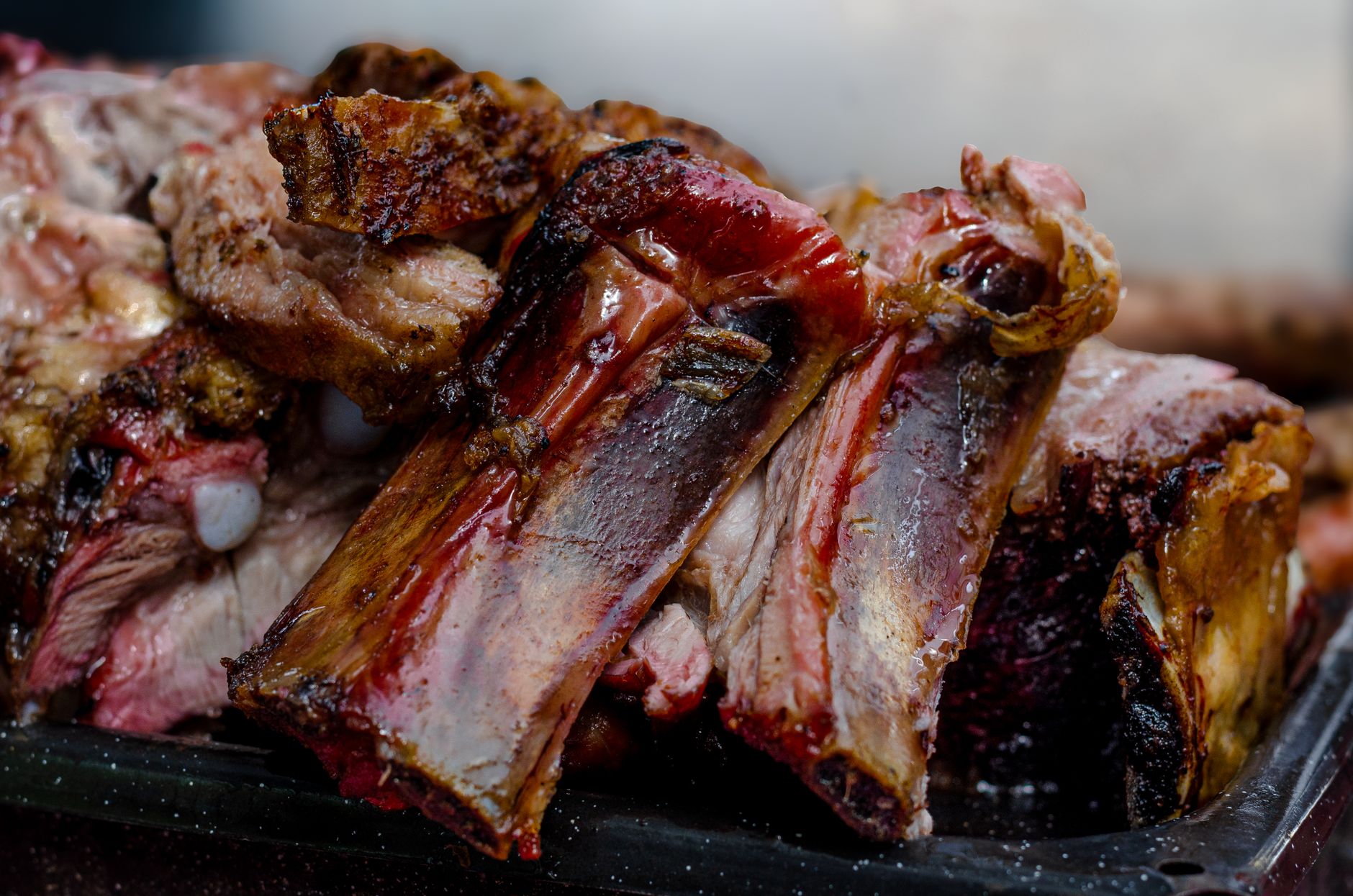
When roasting a prime rib, a common question arises: do you cover it in the oven or not? The answer can significantly impact the outcome of your roast, from flavor to tenderness. In this guide, we’ll explore the best practices for cooking prime rib, including whether to cover it or leave it uncovered.
Prime rib, known for its rich flavor and tenderness, is often the centerpiece of special occasions and holiday gatherings. Understanding the nuances of cooking it properly can elevate this cut of meat to unforgettable heights. Let’s delve into the particulars of preparing prime rib in the oven, along with essential cooking and serving tips.
Do You Cover Prime Rib in the Oven?
When cooking prime rib in the oven, it is generally recommended to start with the roast uncovered to achieve a beautifully browned crust. Covering the roast can be done later in the cooking process to prevent over-browning, but begins uncovered for the initial searing is best for achieving that coveted caramelized exterior.
Understanding Prime Rib
Prime rib is a cut of beef from the primal rib section of the animal, typically known for its tenderness and rich marbling. This marbling contributes to its exceptional flavor and juiciness. The USDA designates prime beef based on marbling and maturity, making prime rib a premium choice for special occasions.
Preparation Timeline
Preparing prime rib requires scheduling your cooking time correctly. Here’s a breakdown of what to expect:
- Yield: Serves approximately 6 to 8 people depending on the size of the roast.
- Preparation time: 30 to 60 minutes (including seasoning and bringing the meat to room temperature).
- Cooking time: 1.5 to 2.5 hours, depending on the size and desired doneness.
- Total time: About 2 to 3 hours including rest time after cooking.
Ingredients
- 1 bone-in prime rib roast (about 4 to 6 pounds)
- 4 tablespoons kosher salt
- 2 tablespoons freshly ground black pepper
- 4 cloves garlic, minced
- 2 tablespoons fresh rosemary, finely chopped (optional)
- 2 tablespoons olive oil
Essential Equipment
- Roasting pan with a rack
- Meat thermometer
- Sharp knife for carving
- Aluminum foil (for covering after browning)
How to Cook Prime Rib
- Remove the Roast from the Refrigerator: Allow the prime rib to sit at room temperature for 30-60 minutes before cooking. This helps the roast cook evenly.
- Preheat the Oven: Set your oven to 450°F (232°C).
- Season the Roast: Rub the olive oil all over the roast. In a small bowl, mix together the kosher salt, pepper, garlic, and rosemary. Apply this seasoning mixture generously all over the meat.
- Place in the Oven: Position the prime rib in a roasting pan, bone side down, on a rack for even heat distribution. Transfer to the preheated oven.
- Initial Roasting: Roast the meat at 450°F (232°C) for the first 20 minutes. This high temperature creates a crust on the roast.
- Lower the Temperature: After 20 minutes, reduce the oven temperature to 325°F (163°C). Continue roasting until the internal temperature reaches your desired doneness:
- Rare: 125°F (52°C)
- Medium Rare: 135°F (57°C)
- Medium: 145°F (63°C)
- Medium Well: 150°F (66°C)
- Well Done: 160°F (71°C)
- Covering the Roast: If the roast begins to look too brown around the edges while the inside cooks, loosely cover it with aluminum foil. This should be done after the initial browning at 450°F.
- Let It Rest: After achieving the desired temperature, remove the roast from the oven and let it rest for at least 20-30 minutes before carving. This allows the juices to redistribute throughout the meat.
- Carve and Serve: Use a sharp knife to carve the roast into slices, ensuring each piece has a bit of crust.
Cooking Method Tips
Internal Temperature Cues
Using a meat thermometer is crucial for achieving the desired doneness. Insert the thermometer into the thickest part of the roast, avoiding bone and fat. Here are some tips for doneness:
- Pull the roast from the oven when it’s about 5°F (3°C) lower than your target temperature, as it will continue to cook while resting.
- Check multiple areas of the roast to ensure consistency.
Common Mistakes
When preparing prime rib, some common pitfalls can lead to disappointing results:
- Skipping the Seasoning: Seasoning generously helps to enhance flavor. Don’t be afraid to apply enough salt and pepper.
- Not Resting the Meat: Cutting too soon can lead to lost juices, resulting in a dry roast. Always rest before carving.
- Overcooking: Using a thermometer is critical; don’t rely solely on cooking times.
Serving Suggestions
Prime rib pairs well with a variety of accompaniments. Here are some ideas:
- Horseradish sauce: The spiciness complements the rich meat.
- Red wine reduction sauce: A reduction made from red wine adds depth to the dish.
- Classic sides such as Yorkshire pudding, mashed potatoes, and roasted vegetables are traditional pairings.
Making Prime Rib Ahead of Time
While prime rib is best served fresh, some aspects of meal prep can be done ahead:
- Seasoning: Season the roast a few hours in advance or even the night before to allow the flavors to penetrate.
- Roasting: If you must, you can cook the roast a day ahead and reheat it gently in the oven at a low temperature.
Storage and Reheating
For leftover prime rib:
- Store in an airtight container in the refrigerator for up to 3-4 days.
- To reheat, place slices in a covered dish with a splash of broth or water to prevent drying out and heat in the oven at 250°F (121°C) until warmed through.
Possible Variations
If you’re looking to mix things up, consider these variations:
- Herb-Crusted Prime Rib: Add more herbs like thyme, parsley, or even dijon mustard for a different flavor profile.
- Spicy Rub: Incorporate cayenne pepper or smoked paprika into your seasoning mix for a bit of heat.
Final Thoughts
When it comes to cooking prime rib, the decision to cover or uncover it can profoundly influence the final dish. Starting uncovered creates a delectable crust, while covering it later protects it from over-browning. With meticulous preparation and attention to detail, you can create a prime rib that will leave your guests raving for days.
To further expand your culinary repertoire, consider exploring our boneless prime rib recipe for a different take on this classic or enhance your roast with our prime rib rub recipe for added depth of flavor.