
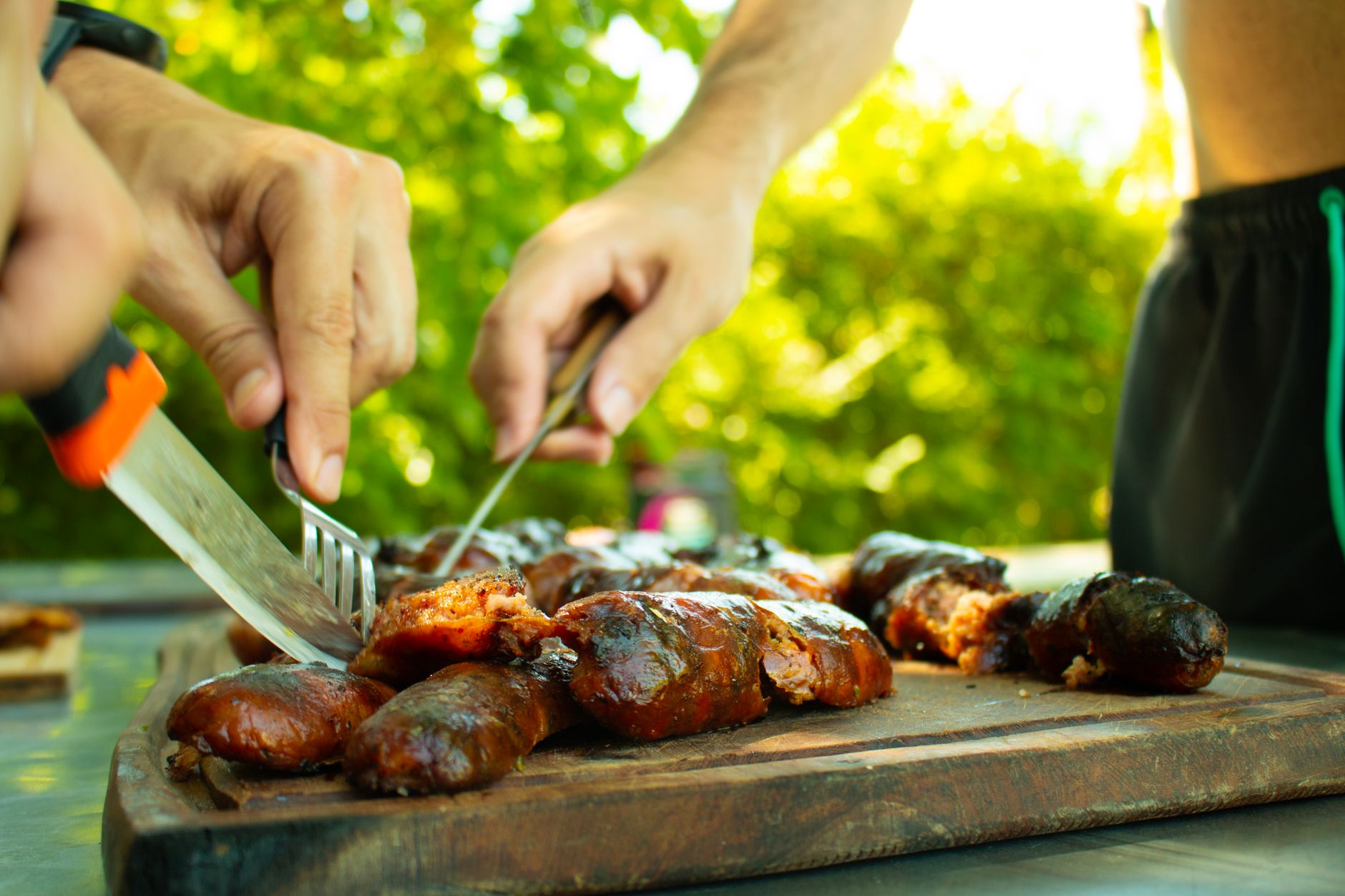
Chorizo is a popular and flavorful sausage used in a variety of culinary traditions, particularly in Spanish and Mexican cuisine. One common question that arises when cooking with chorizo is whether it is already cooked or if it requires further cooking before consumption. Understanding the different types of chorizo and their cooking requirements is essential for making delicious meals.
This article delves into the specifics of chorizo, including its varieties, cooking methods, and culinary applications. By the end, you will have a clear understanding of how to correctly use chorizo in your kitchen.
Is Chorizo Already Cooked?
Chorizo can be either raw or fully cooked, depending on its variety and preparation. Spanish chorizo is generally cured and can be eaten without cooking, while Mexican chorizo is often sold fresh and must be cooked thoroughly before consumption. Always check the packaging for instructions to ensure proper handling.
Types of Chorizo
Understanding the differences between varieties of chorizo is key when planning meals. Here are the main types:
Spanish Chorizo
- **Cured Chorizo**: This type is fermented and cured, often filled with garlic, paprika, and other spices. It can be sliced and eaten without any cooking, much like salami.
- **Spanish Cooking Chorizo**: This variety may need cooking; it’s softer and not completely cured. However, it’s often less common in stores outside of Spain.
Mexican Chorizo
- **Fresh Chorizo**: Typically sold raw, this version is spiced and needs to be cooked before eating. It often comes in casings or as bulk sausage and has a distinct, spicy flavor.
- **Soy Chorizo**: A vegetarian version of Mexican chorizo, made with soy protein, and needs to be cooked similar to fresh chorizo.
How to Cook Chorizo
Cooking chorizo can vary significantly based on the type you are using. Here’s a practical guide for both Spanish and Mexican chorizo.
Cooking Spanish Chorizo
1. **Slice or Dice**: Depending on your recipe, slice or dice your cured Spanish chorizo.
2. **Heat**: Place a skillet over medium heat. No oil may be needed as the chorizo will release its fat.
3. **Cook**: Sauté your sliced chorizo for about 5-7 minutes until slightly crispy and heated through.
4. **Use**: Add directly to pasta, stews, or serve on a charcuterie board.
Cooking Mexican Chorizo
1. **Remove from Casing**: If using chorizo in casings, carefully cut and squeeze out the sausage into a skillet.
2. **Heat**: Heat a medium skillet over medium-high heat. Add a small amount of oil if desired, but chorizo releases fat while cooking.
3. **Cook**: Cook the chorizo for 8-10 minutes, breaking it up with a spatula as it cooks. Make sure it reaches an internal temperature of 160°F (71°C) for safety.
4. **Use**: Incorporate into quesadillas, tacos, or breakfast burritos.
Common Cooking Techniques for Chorizo
Chorizo can be used in various cooking methods that enhance its flavors.
Grilling
Grilling chorizo gives it a smoky flavor. Use whole links on a grill, cooking until charred and heated through. Turn occasionally for even cooking.
Stir-frying
When adding chorizo to a stir-fry, cook it first in the pan until browned, then add vegetables and other ingredients.
Slow Cooking
Chorizo also works well in slow cooker recipes. Add raw Mexican chorizo directly into stews or chili, allowing it to infuse its flavor as it cooks.
Baking
Chorizo can be baked into dishes like casseroles or frittatas. Ensure that it reaches the required internal temperature during baking.
Substituting Chorizo
If you can’t find chorizo or want to try something different, here are some practical alternatives:
- **Italian Sausage**: Use a spicy Italian sausage for a similar flavor profile, but be aware that it lacks the smokiness of chorizo.
- **Andouille Sausage**: This smoked sausage has a robust flavor and can work in recipes calling for chorizo.
- **Spiced Ground Beef or Pork**: Mix ground beef or pork with spices like paprika, garlic powder, and cumin to mimic chorizo without its distinct casing.
- **Vegetarian Alternatives**: For a plant-based substitute, opt for seasoned tempeh or a store-bought chorizo alternative made from soy or beans.
Tips for Buying and Storing Chorizo
Purchasing and storing chorizo properly ensures the best taste and safety.
Buying Chorizo
– **Check Labels**: Always read labels for cooking recommendations and ingredients. Some chorizos may contain allergens or preservatives.
– **Freshness**: Look for bright, vibrant color, particularly in fresh chorizo, which indicates freshness.
– **Choose Quality**: Look for artisanal brands or local producers for higher-quality, more flavorful chorizo.
Storing Chorizo
– **Refrigeration**: Uncooked fresh chorizo can be refrigerated and used within 1-2 days or frozen for longer storage.
– **Cooked Chorizo**: If you have leftovers, cooked chorizo should be refrigerated and used within 3-4 days.
– **Freezing**: Both cooked and uncooked chorizo can be frozen. Wrap tightly in plastic wrap or place in an airtight container to prevent freezer burn.
Delicious Chorizo Recipes to Try
Here are a few easy recipes to get you started with cooking chorizo.
Chorizo and Eggs Breakfast Burrito
Start your day with a hearty breakfast burrito featuring flavorful chorizo.
- **Ingredients**:
- 2 ounces fresh Mexican chorizo
- 2 eggs
- 1 tortilla
- 1/4 cup shredded cheese (optional)
- Salsa and avocado for topping
- Remove chorizo from the casing and cook in a skillet over medium heat until browned.
- In a separate bowl, beat the eggs and add to the skillet with the chorizo, scrambling until cooked.
- Warm the tortilla, fill it with the chorizo and egg mixture, and top with cheese and avocado.
Chorizo-Stuffed Peppers
These colorful peppers are a hit for a satisfying baked main dish.
- **Ingredients**:
- 4 bell peppers
- 8 ounces fresh chorizo
- 1 cup cooked rice
- 1 can diced tomatoes
- 1 cup shredded cheese
- Preheat your oven to 375°F (190°C).
- Slice the tops off the bell peppers and remove seeds.
- In a skillet, cook the chorizo until browned, then add rice and diced tomatoes.
- Fill each pepper with the chorizo mixture, top with cheese, and place in a baking dish.
- Bake for 25-30 minutes, until peppers are tender and cheese is melted.
Chorizo Quesadillas
Quick and easy, these quesadillas are perfect for lunch or dinner.
- **Ingredients**:
- 6 ounces chorizo
- 4 flour tortillas
- 1 cup shredded cheese
- Olive oil or cooking spray for frying
- Remove chorizo from casing and cook until well browned in a skillet.
- Place one tortilla in the skillet, add cheese and chorizo, and top with a second tortilla.
- Cook until golden, then flip to cook the opposite side.
- Cut into wedges and serve with salsa or guacamole.
Common Mistakes When Cooking Chorizo
Avoid these pitfalls to ensure your chorizo is perfectly cooked and delicious:
- **Not Cooking Fully**: Always ensure fresh chorizo reaches at least 160°F (71°C). Undercooking can cause foodborne illnesses.
- **Ignoring Packaging**: Different brands may have unique recommendations, so pay attention to labels.
- **Skimping on seasonings**: While chorizo is flavorful, don’t forget to season dishes thoroughly to complement its distinct taste.
Conclusion
Chorizo can be an excellent addition to your culinary repertoire, but understanding its types, cooking requirements, and suitable recipes is essential. Remember that the handling and preparation differ significantly based on whether it’s Spanish or Mexican chorizo.
For a practical next step, pay attention to the type of chorizo you buy, follow the cooking guidelines for your chosen variety, and experiment with some delicious chorizo recipes. Your cooking will be enhanced by this flavorful ingredient.
Explore related recipes, cooking tips, or food guides to broaden your culinary skills and enhance your meals.