
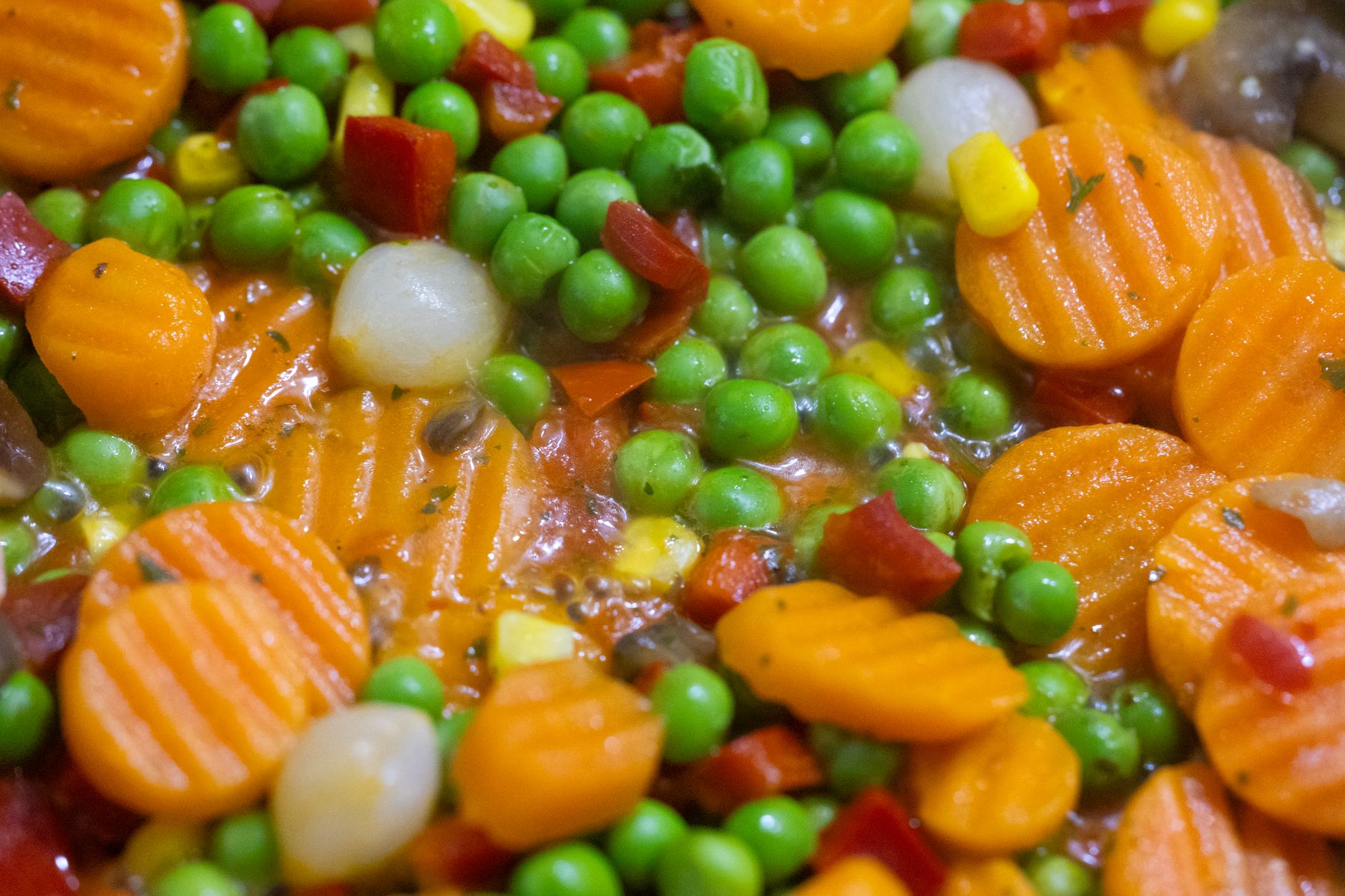
Understanding what constitutes a vegetable can significantly enhance your culinary experience and meal planning. Vegetables are not only essential components of a healthy diet but also offer a rich diversity of flavors, textures, and colors that can elevate any dish.
This article will explore what defines vegetables, their classifications, common varieties, and key facts about their culinary uses. Whether you are a seasoned cook or a beginner, this guide will help you navigate the world of vegetables with ease.
What Are Considered Vegetables?
Vegetables are classified as edible plant parts that are consumed as food. This broad category includes roots, stems, leaves, flowers, and fruits that are not categorized as fruits from a botanical perspective. While many people think of vegetables strictly as leafy greens and root vegetables, this classification is more nuanced.
Vegetables can include:
- Leafy greens (e.g., spinach, kale)
- Roots (e.g., carrots, beets)
- Stems (e.g., celery, asparagus)
- Flowers (e.g., broccoli, cauliflower)
- Fruits (e.g., tomatoes, cucumbers) that are not sweet
Botanical vs. Culinary Definitions
The distinction between culinary and botanical definitions is crucial when defining vegetables. Botanically, a vegetable is any part of a plant that can be consumed. This includes sweet fruits like tomatoes or cucumbers that are often categorized under vegetables in the culinary realm due to their savory applications.
Culinary Definition
In cooking, vegetables are typically considered to be non-sweet plant parts used in savory dishes. This includes leafy greens, tomatoes, cucumbers, and even bell peppers. The culinary categorization is primarily based on taste and use in cooking rather than strict botanical standards.
Botanical Definition
Botanically, fruits develop from the flower of a plant and contain seeds. Therefore, items like peppers, pumpkins, and squash are technically fruits but are commonly regarded as vegetables due to their culinary uses. This overlapping classification can lead to confusion, so understanding both definitions is beneficial.
Common Varieties of Vegetables
While the vegetable kingdom is vast, here’s a breakdown of common types of vegetables categorized by their plant parts:
Leafy Greens
- Spinach
- Kale
- Lettuce
- Swiss Chard
Leafy greens are nutrient-dense and often used in salads, smoothies, and stir-fries. They vary in taste from bitter to sweet.
Root Vegetables
- Carrots
- Beets
- Radishes
- Turnips
Root vegetables are known for their earthy flavors and can be roasted, mashed, or grated. They are also excellent storage vegetables, lasting for long periods.
Cruciferous Vegetables
- Broccoli
- Cauliflower
- Brussels Sprouts
- Cabbage
These vegetables are rich in vitamins C and K and are known for their cancer-fighting properties. They can be steamed, sautéed, or added to soups and casseroles.
Fruiting Vegetables
- Tomatoes
- Cucumbers
- Bell Peppers
- Eggplants
These vegetables are technically fruits and add vibrant colors and flavors to dishes. They can be used in salads, sauces, and various cooked dishes.
Legumes
- Green beans
- Peas
- Lentils
- Chickpeas
Legumes are excellent sources of protein and fiber. They can be used in soups, salads, and as protein substitutes in various dishes.
Alliums
- Onions
- Garlic
- Shallots
- Leeks
Alliums are known for their strong flavors and aromas, making them indispensable in many cuisines around the world. They can be used in countless ways, from flavor bases to garnishes.
The Health Benefits of Vegetables
Incorporating a variety of vegetables into your diet is essential for maintaining good health. Here are some key health benefits:
- Nutrient-Dense: Vegetables are low in calories but high in vitamins, minerals, and antioxidants.
- High in Fiber: Vegetables can aid in digestion and promote a feeling of fullness, helping to manage weight.
- Boost Immune System: The vitamins and minerals in vegetables, such as vitamin C and beta-carotene, can strengthen the immune system.
- Reduce Chronic Disease Risk: A diet rich in vegetables has been linked to a lower risk of heart disease, diabetes, and certain cancers.
Cooking Techniques for Vegetables
Different cooking methods can enhance or alter the flavors and textures of vegetables. Here are several common techniques:
Sautéing
Sautéing involves cooking vegetables quickly in a small amount of oil over relatively high heat. This method is great for retaining the color and nutrients of the vegetables. Start with prepped and chopped vegetables, heat oil in a pan, add vegetables, and cook until tender.
Steaming
Steaming is a healthy cooking method that preserves nutrients. It involves placing vegetables in a steaming basket over boiling water. Cover and steam until the vegetables are bright and tender but still crisp.
Roasting
Roasting vegetables enhances their natural sweetness. Toss chopped vegetables with a little oil, salt, and any preferred seasonings, then roast in a preheated oven until golden brown and caramelized.
Grilling
Grilling vegetables adds a distinct smoky flavor. Marinate or toss vegetables in oil, then place them directly on the grill until they are charred and tender.
Blanching
Blanching involves briefly boiling vegetables and then immediately cooling them in ice water. This technique is ideal for preparing vegetables for freezing or salads, preserving their vibrant color and crunch.
Tips for Selecting and Storing Vegetables
Choosing fresh vegetables and storing them properly can maximize their flavor and longevity. Here’s how:
Selecting Fresh Vegetables
- Look for vibrant colors without blemishes or soft spots.
- Check for firmness; overripe vegetables will feel soft.
- Smell the vegetables; they should have a fresh scent.
Storing Vegetables
- Leafy Greens: Store in the refrigerator wrapped in a damp paper towel and placed in a plastic bag.
- Root Vegetables: Keep in a cool, dark place. Avoid refrigeration, which can cause them to rot.
- Fruiting Vegetables: Store at room temperature or in the fridge depending on ripeness.
Using Vegetables in Meal Planning
Incorporating vegetables into your meal planning can enhance nutrition and variety. Here are several practical strategies:
Batch Cooking
Cook large quantities of vegetables at once and store them in the fridge or freezer for quick meal additions during the week. Roasted vegetables, steamed greens, or sautéed mixes can be versatile side dishes or salad additions.
Meal Compositions
Ensure your meals contain a balance of protein, carbohydrates, and vegetables. Aim to fill half your plate with vegetables for each meal. This not only aids in nutrition but also adds texture and flavor.
Seasonal Cooking
Take advantage of seasonal vegetables. This not only ensures that you are cooking with fresh produce but also often reduces costs and boosts flavors.
Vegetables in International Cuisines
Vegetables play a crucial role in cuisines around the world. Here are a few examples:
- Mediterranean: Enjoy a variety of vegetables like eggplant, zucchini, and peppers in dishes like ratatouille.
- Asian: Stir-fries often feature vegetables such as bok choy, snap peas, and bell peppers.
- Mexican: Dishes like salsas and tacos incorporate vegetables such as avocados, tomatoes, and corn.
- Southern U.S.: Collard greens, okra, and spinach are staples in various regional dishes.
Common Mistakes with Vegetables
Understanding common pitfalls can lead to better cooking experiences and outcomes:
- Overcooking: Cooking vegetables too long can lead to loss of nutrients and flavor.
- Not Seasoning: Under-seasoning can result in bland dishes; don’t be shy with herbs and spices.
- Ignoring Freshness: Using wilted or old vegetables can negatively impact flavor and texture.
Exploring Vegetable Alternatives
If you’re looking to incorporate more vegetables into your meals but need alternatives for certain dishes, consider the following substitutions:
- Cauliflower Rice: Use finely chopped cauliflower as a low-carb substitute for grains.
- Zucchini Noodles: Spiralize zucchini for a pasta alternative that’s full of nutrients.
- Leafy Greens for Wraps: Use large leaves of lettuce or collard greens instead of tortillas for a lighter option.
Final Thoughts on Vegetables
A variety of vegetables not only enhances the visual appeal of a dish but also enriches its nutritional profile. With this comprehensive understanding, you can confidently explore new vegetables, try different cooking methods, and ultimately improve your overall diet.
Next time you’re in the produce aisle, remember this guide to help you choose and utilize vegetables effectively. Enjoy experimenting in the kitchen and savor the delightful flavors and health benefits of vegetables.
For more culinary tips, explore topics like what is chard or check out the discussion on if cucumber is a vegetable.