
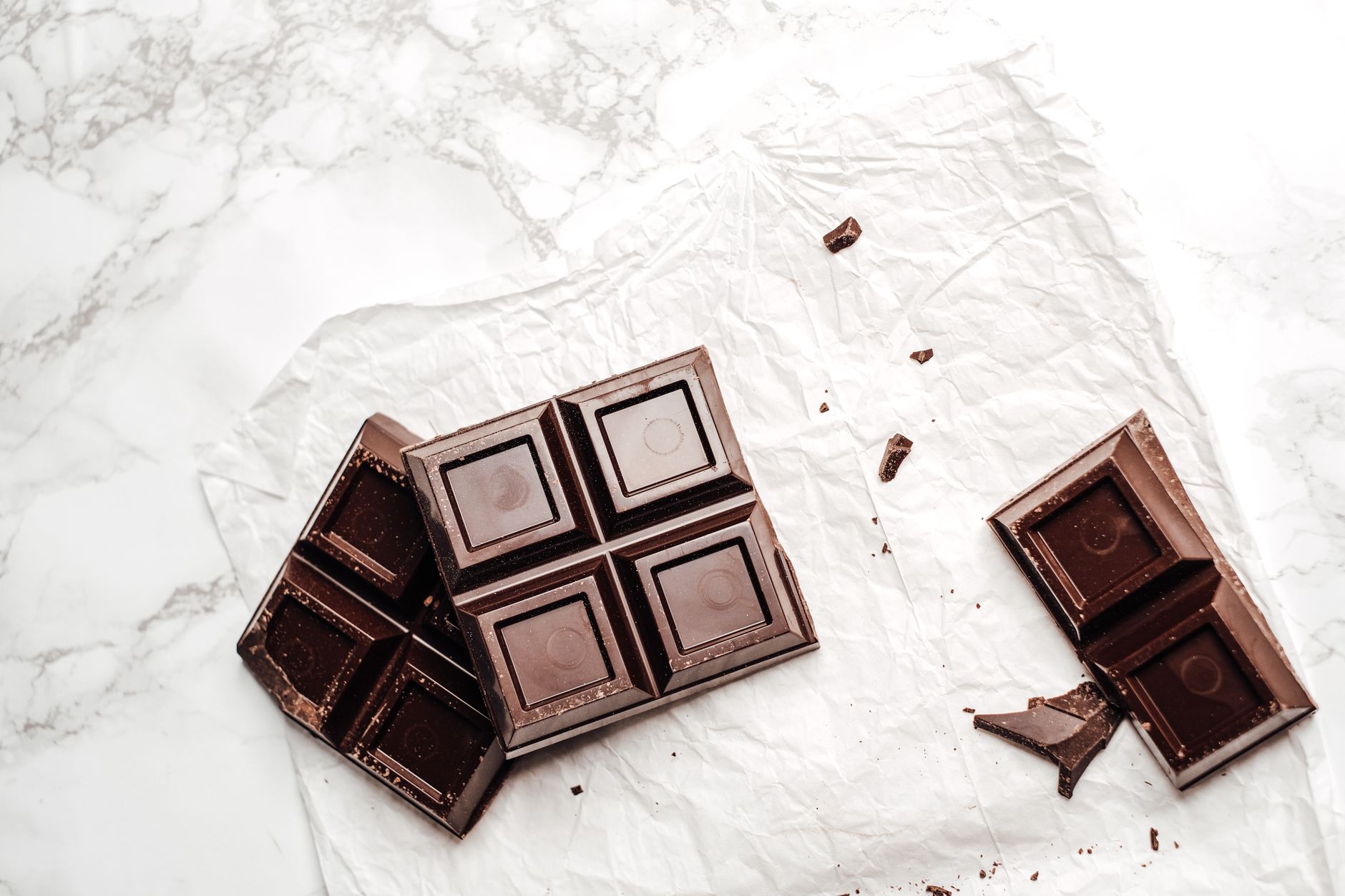
Dark chocolate is a rich, decadent treat that has captured the hearts of many. Known for its robust flavor, dark chocolate is not only a delicious indulgence but also a versatile ingredient used in various culinary applications. Understanding what dark chocolate is, including its ingredients, taste, and uses, can elevate your culinary creations and enhance your appreciation for this beloved confection.
This article dives deep into the world of dark chocolate, exploring its composition, flavor profile, culinary applications, and how to choose the best dark chocolate for your needs. Whether you enjoy it in desserts or as a standalone snack, learning about dark chocolate can enrich your eating and cooking experience.
What Is Dark Chocolate?
Dark chocolate, often referred to as bittersweet chocolate, is made from cocoa solids, cocoa butter, and sugar, without the addition of milk solids that is typical in milk chocolate. The percentage of cocoa in dark chocolate can vary, affecting both its flavor and texture. Generally, dark chocolate boasts a cocoa content of at least 50%, while premium varieties can contain up to 90% cocoa.
Ingredients of Dark Chocolate
Understanding the ingredients that constitute dark chocolate will help you appreciate its complex flavor. The key components include:
- Cocoa solids: Refers to the non-fat part of the cocoa bean, which includes fiber, nutrients, and flavor components.
- Cocoa butter: The fat extracted from cocoa beans, giving chocolate its smooth texture and richness.
- Sugar: Adds sweetness to balance the bitterness of the cocoa. The amount used can vary significantly among different brands and types.
- Emulsifiers: Such as soy lecithin, are often added to help maintain the smoothness and consistency of chocolate.
- Flavorings: Some dark chocolates may contain additional flavorings like vanilla or spices.
The Taste of Dark Chocolate
The flavor profile of dark chocolate is unique and can vary widely depending on its cocoa content and the beans used. A few key attributes include:
- Bitterness: The predominant characteristic of dark chocolate, which is a result of higher cocoa content.
- Complexity: Higher quality dark chocolate often features a range of flavors, including notes of fruit, nuts, and spices.
- Texture: Dark chocolate typically has a firm snap when broken and melts smoothly on the palate.
- Aftertaste: The finish of dark chocolate can linger pleasantly, often with fruity or earthy undertones.
Culinary Uses of Dark Chocolate
Dark chocolate is incredibly versatile and can be used in countless culinary applications, both in sweet and savory dishes. Here are some popular uses:
1. Baking
Dark chocolate is a fundamental ingredient in many baking recipes. Whether you are making brownies, cookies, or cakes, incorporating dark chocolate can add depth and richness. For example, dark chocolate chips can be added to cookie dough for an extra chocolatey treat.
2. Desserts
Dark chocolate ganache is a foolproof method for creating a luxurious filling or topping for desserts. By mixing dark chocolate with heavy cream, you can create a glossy glaze or a rich filling for pastries.
3. Confectionery
Making homemade chocolates and truffles is another delightful way to use dark chocolate. You can melt dark chocolate and mold it into various shapes, adding nuts, fruits, or flavorings as desired.
4. Savory Dishes
Dark chocolate can also enhance savory dishes. It pairs well with ingredients like chili, creating depth in dishes like mole sauce, which is a traditional Mexican sauce often used in enchiladas.
5. Beverages
Dark chocolate can be melted to make decadent hot chocolate or blended into smoothies to add richness and flavor. It is a key ingredient in many sophisticated cocktails and desserts.
Choosing the Right Dark Chocolate
With a vast array of dark chocolates available on the market, selecting the right one can be overwhelming. Here are some factors to consider:
- Cocoa content: Higher percentages will yield more bitterness and intensity. A good starting point for baking is around 60-70% cocoa.
- Origin: The origin of the cocoa beans can impact flavor. Experiment with chocolates from different regions (e.g., single-origin chocolates) for unique profiles.
- Quality: Opt for chocolates with minimal ingredients, avoiding those with excessive additives.
- Bitterness level: Taste different brands to find the bitterness level that suits your palate.
Common Mistakes When Using Dark Chocolate
Using dark chocolate effectively can be tricky. Here are common pitfalls to avoid:
- Not tempering: When melting chocolate for coating or baking, failing to temper the chocolate can lead to a dull finish and poor snap.
- Overheating: Dark chocolate can burn easily. Use low heat or a double boiler to melt chocolate gently.
- Choosing the wrong cocoa content: Using chocolate that is too high or too low in cocoa can dramatically alter the taste and texture of your dish.
Practical Substitutions for Dark Chocolate
If you’re in a pinch and need a substitute for dark chocolate, consider these options:
- Cocoa powder: For baking, you can substitute 3 tablespoons of cocoa powder with 1 ounce of melted dark chocolate. Remember to reduce other fats in your recipe slightly to maintain the correct texture.
- Milk chocolate: If you prefer a sweeter flavor, substitute milk chocolate but reduce any other sugars in your recipe.
- Carob: For a non-chocolate alternative, carob can be used, although it has a distinct flavor and is naturally sweeter.
Storing Dark Chocolate
Preserving the quality of dark chocolate requires proper storage. Here are essential tips:
- Cool, dry place: Store dark chocolate in a cool, dry place, away from light, heat, and moisture. A pantry is often a suitable location.
- Airtight container: Keep opened chocolate in an airtight container to prevent odor absorption from nearby foods.
- Avoid refrigeration: Refrigerating dark chocolate can lead to condensation, which may affect flavor and texture.
Health Aspects of Dark Chocolate
Dark chocolate has garnered attention for potential health benefits, primarily due to its rich antioxidant content. While enjoying dark chocolate can be part of a balanced diet, moderation is key. The health effects can include:
- Rich in flavonoids, which may support heart health.
- Contains minerals like iron, magnesium, and zinc.
- May improve mood due to endorphin release.
However, it is essential to remember that dark chocolate is still a high-calorie food, and its consumption should be balanced with other healthy dietary choices.
Conclusion
Dark chocolate offers a robust and nuanced flavor profile that enhances a wide range of culinary creations. Its versatility as an ingredient allows for countless uses in both sweet and savory dishes. By understanding its ingredients and how to select and store dark chocolate properly, you can quality enhance your cooking and baking experiences.
Now that you have a comprehensive understanding of dark chocolate, consider exploring more recipes and ideas. You might enjoy making Mexican Hot Chocolate or sweetening things up with Date Bark using dark chocolate as a delightful base.