
Lemons are a staple in many kitchens, prized for their vibrant flavor and versatility in both sweet and savory dishes. But when a recipe calls for juice from half a lemon, you might wonder just how much liquid that is and how to get it right.
This article explores how much juice can typically be extracted from half a lemon, along with useful tips, conversions, and practical applications to enhance your cooking experience.
How Much Is Half a Lemon Juiced?
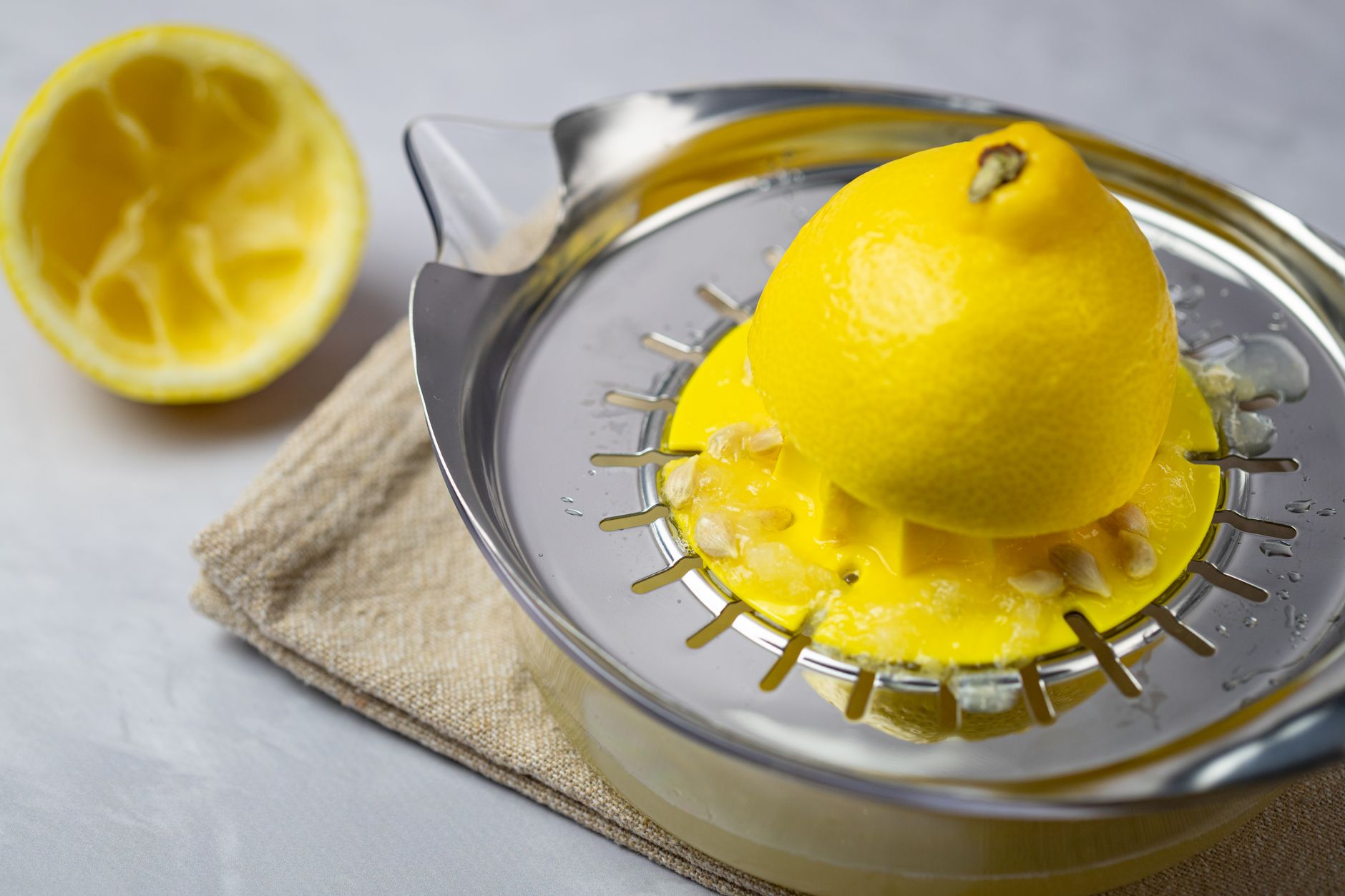
Half a lemon typically yields about 1 to 2 tablespoons of juice, depending on the lemon’s size and juiciness. This can vary, so it’s wise to measure if precision is crucial for your recipe.
Understanding Lemon Size and Juice Yield
When it comes to lemons, size matters. Generally, lemons can be categorized into three main sizes: small, medium, and large. The size of the lemon directly influences how much juice you’ll get from it.
Size Categories
- Small Lemons: Typically yield about 1 tablespoon of juice.
- Medium Lemons: Usually provide around 1.5 tablespoons of juice.
- Large Lemons: Can yield about 2 tablespoons or slightly more.
If you have a juicer, you might be able to squeeze out a bit more, but measuring the result is always the best approach to take for accuracy.
How to Juice a Lemon Properly
Juicing a lemon may seem straightforward, but there are techniques that can maximize your juice yield.
Tools You’ll Need
- Fresh lemons
- A sharp knife
- A citrus juicer or squeezer (optional)
- A small bowl or measuring cup
Step-by-Step Juicing Instructions
- Start by washing the lemon under running water to remove any pesticides or wax.
- Roll the lemon on a clean surface with your palm to break down some of the internal membranes. This helps release more juice.
- Cut the lemon in half crosswise.
- If using a manual juicer or squeezer, place half of the lemon in the tool and squeeze until no more juice can be extracted. If using your hands, hold half of the lemon over a bowl and press firmly to extract the juice.
- Measure the juice to determine the amount. You can strain out any seeds if they fall into the juice.
Practical Applications for Lemon Juice
Understanding how much juice you can get from half a lemon opens up a world of culinary uses. Here are some common applications.
In Cooking
- Marinades: Lemon juice is a fantastic acid that tenderizes meat and adds flavor.
- Salad Dressings: Incorporating lemon juice brightens up salads. A simple recipe could include lemon juice, olive oil, salt, and pepper.
- Sauces: Use lemon juice to enhance sauces, such as a lemon butter sauce for fish or pasta.
In Baking
- Flavoring: Lemon juice adds acidity that can balance sweet desserts. It can enhance recipes like lemon cakes or cookies.
- Leavening: The acid in lemon juice interacts with baking soda to provide lift when baking.
In Beverages
- Lemonade: Combine water, sugar, and lemon juice for a refreshing drink.
- Cocktails: Use lemon juice in a wide range of mixed drinks for extra zest, such as in a whiskey sour or lemon drop martini.
Substitutions and Variations
If you find yourself without fresh lemons, there are alternatives you can consider. While these substitutions may not provide the exact flavor profile, they can work in a pinch.
Common Substitutions
- Lemon Zest: Using zest can add a lemony aroma and flavor. Use about 1 teaspoon of zest for every tablespoon of juice.
- Lime Juice: Lime juice can substitute lemon juice in most recipes, especially in dressings and marinades.
- Vinegar: White wine vinegar or apple cider vinegar can be used as a substitute in savory dishes, although the flavor will differ.
- Bottled Lemon Juice: If you’re in a bind, one tablespoon of bottled lemon juice can replace one tablespoon of fresh lemon juice.
Common Mistakes and Troubleshooting
While juicing lemons is straightforward, certain pitfalls can lead to disappointing results. Here’s how to avoid common mistakes.
Over-squeezing
Be careful not to squeeze too hard, as this can introduce bitterness from the pith. Aim to squeeze just enough to release the juice without crushing the fruit excessively.
Not Measuring
Estimating yields can lead to too little or too much juice. Always measure your juice, especially in recipes where acidity affects the outcome.
Using Old Lemons
Old lemons may not produce much juice. Always select firm lemons that feel heavy for their size.
Best Practices for Storage
Knowing how to properly store lemon juice can help you maintain its freshness for future use.
Fresh Lemon Juice
If you have leftover juice after a recipe, store it in an airtight container in the refrigerator for up to a week. For longer storage, you can freeze lemon juice in ice cube trays and transfer the frozen cubes to a freezer bag once solid. They can last for several months.
Whole Lemons
Store uncut lemons in the refrigerator crisper drawer. They can stay fresh for a few weeks when stored properly. If you notice any signs of drying, it’s best to use them as soon as possible.
Conclusion
Understanding how much juice you can expect from half a lemon can inspire creativity in your cooking and baking endeavors. With the right techniques and knowledge, you can make the most of this versatile ingredient and avoid any pitfalls in your culinary adventures.
Explore more about cooking with lemons and enhancing your dishes with our guides on lemon pepper seasoning and lemon dump cake recipes!