
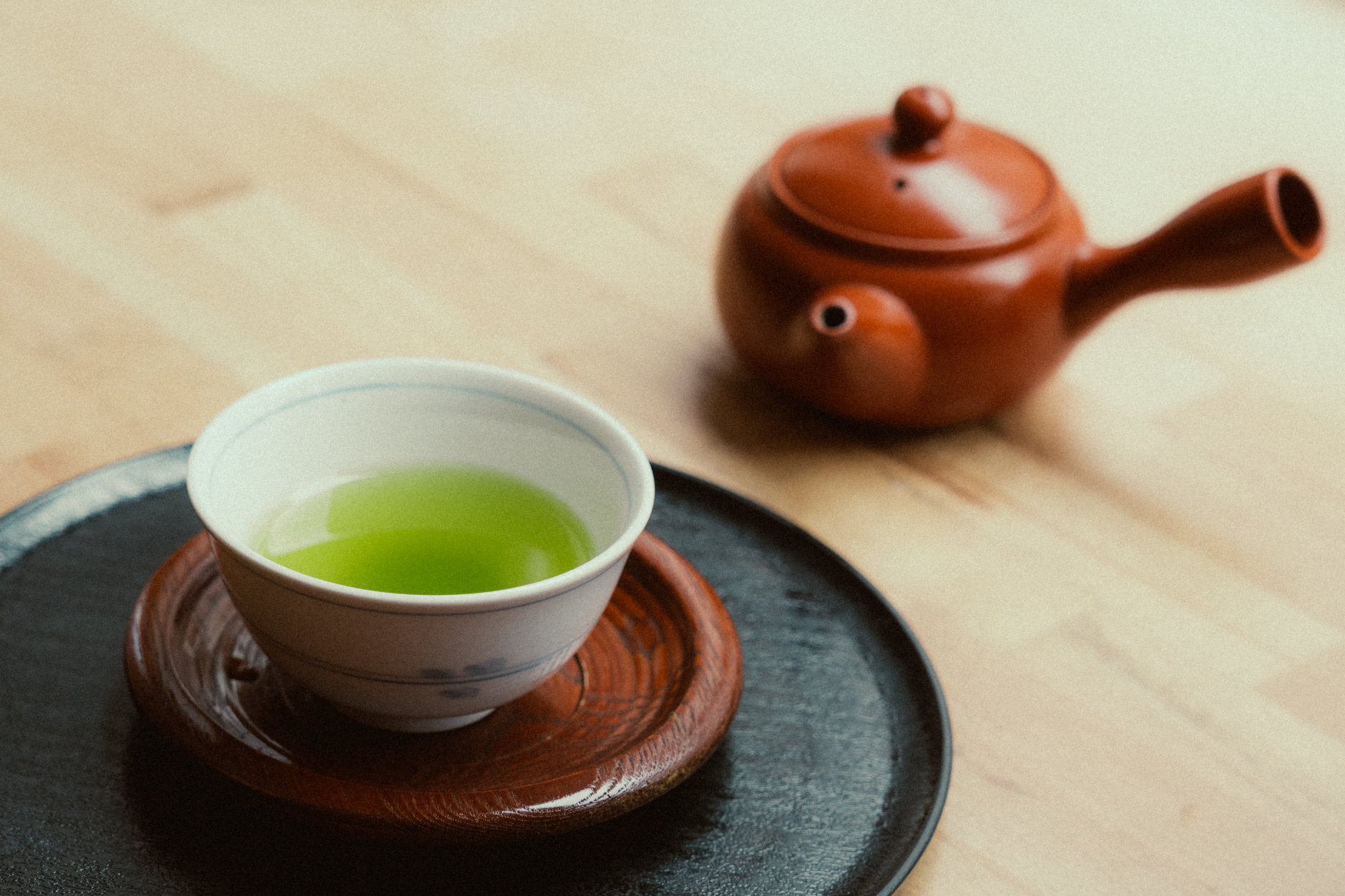
Green tea is a popular beverage known for its myriad health benefits and soothing qualities. However, many first-time drinkers often wonder: does green tea taste good? The answer is subjective and can vary significantly based on personal preferences, preparation methods, and the specific type of green tea used. This article delves into the flavor profiles, textures, and serving ideas for green tea, ensuring you have a comprehensive understanding of this beloved drink.
As we explore green tea’s taste, we’ll examine its connection to culture, its available varieties, and practical tips on how to prepare and enjoy it. The goal is to help you determine whether this ancient brew suits your palate.
Does Green Tea Taste Good?
Green tea can indeed taste good, but its flavor is nuanced and can range from grassy and vegetal to floral and fruity. The taste depends on the type of green tea, steeping time, water temperature, and even the quality of the leaves used. While some may find green tea pleasantly refreshing, others may perceive its bitterness or astringency. Factors like personal taste preference and preparation method will ultimately influence how enjoyable it is.
Understanding the Flavor Profile of Green Tea
Green tea offers a broad spectrum of flavors, influenced by several factors, including the tea leaves’ varietals, growing conditions, and processing methods. Here are some key elements that comprise the flavor profile of green tea:
1. Vegetal Notes
Many green teas have a fresh, green, and sometimes grassy flavor. This vegetal quality is particularly noticeable in Japanese varieties like Sencha and Gyokuro. Lovers of these teas often appreciate their crisp and invigorating characteristics.
2. Sweetness
Some green teas possess a natural sweetness, which can counterbalance any bitterness. This sweetness is often more prominent in high-quality teas, such as Longjing (Dragon Well) from China. A sweet note can enhance the overall drinking experience, making it more pleasant for those sensitive to bitter flavors.
3. Astringency
Astringency refers to the dry, puckering sensation experienced on the palate. While not all green teas are astringent, some may impart a slight dryness, especially if steeped for too long or at too high a temperature. A delicate balance between sweetness and astringency is key to a pleasing cup of green tea.
4. Floral and Fruity Undertones
Some green teas exhibit delicate floral aromas or fruity undertones. This trend is particularly evident in teas like Jasmine Green Tea, which is infused with jasmine flowers, or teas flavored with fruits such as lemon or peach. These additions can enhance the drink’s complexity and appeal to those who might otherwise find plain green tea less enjoyable.
5. Umami
Umami, the savory taste found in foods like soy sauce and ripe tomatoes, can also be present in certain types of green tea, particularly high-quality Japanese teas like Gyokuro. This richness adds depth and a satisfying quality, appealing to many tea drinkers.
Types of Green Tea and Their Tastes
Now that we understand the flavor nuances of green tea, let’s explore specific types of green tea and what you can expect in terms of taste and aroma.
1. Sencha
Sencha, one of Japan’s most common green teas, is characterized by its vegetal, grassy flavor balanced with a hint of sweetness. Brewed at lower temperatures, it can be refreshing and mildly astringent, making it a great choice for everyday enjoyment.
2. Gyokuro
Gyokuro is a premium Japanese green tea known for its rich umami taste and sweet undertones. It is shade-grown prior to harvest, which enhances its flavor complexity. This tea is best enjoyed with cooler water to highlight its sweet, savory notes.
3. Matcha
Matcha is a powdered green tea that has gained immense popularity worldwide. It offers a unique flavor profile, with rich, creamy, and slightly bitter notes. The preparation method also plays a significant role; whisking matcha can create a frothy texture that’s satisfying to drink.
4. Longjing (Dragon Well)
Longjing is a famous Chinese green tea with a nutty flavor and a soft, sweet finish. The leaves are pan-fried, giving them a unique taste that is less grassy than many Japanese varieties. This tea is often praised for its smoothness and complexity.
5. Hojicha
Hojicha is a roasted green tea that has a distinct earthy and smoky flavor. Its roasting process gives it a lower caffeine content and is gentle on the stomach, making it a great option for those sensitive to caffeine.
How to Brew Green Tea for the Best Flavor
The way you prepare green tea drastically affects its taste. Follow these essential tips to brew a delicious cup:
- Use High-Quality Tea: Start with high-quality loose leaf green tea or premium tea bags, as the flavor will depend significantly on the leaves used.
- Water Temperature: Avoid boiling water, as it can scorch the leaves. For most green teas, water should be around 160°F to 185°F (70°C to 85°C).
- Steeping Time: Green tea generally requires a shorter steeping time, usually between 1 to 3 minutes. Check the specific type for detailed recommendations.
- Use the Right Ratio: A common guideline is to use one teaspoon of loose leaf tea per cup (8 ounces) of water. Adjust based on personal preference.
Common Mistakes When Brewing Green Tea
While brewing green tea can seem straightforward, there are some common pitfalls that can affect its flavor. Here are a few mistakes to avoid:
- Using Boiling Water: Scalding the leaves with boiling water can lead to bitterness. Always let boiling water cool for a minute or two before pouring over the tea.
- Over Steeping: Allowing the tea to steep for too long results in excessive astringency. Keep track of the time and taste before the recommended steeping period ends.
- Neglecting to Preheat the Teapot: Elevating the temperature of the teapot before brewing can enhance flavor extraction. Swirl hot water in the pot before adding tea leaves.
Enhancing the Flavor of Green Tea
If you’re unsure about the taste of plain green tea or want to experiment, there are plenty of ways to enhance its flavor:
1. Adding Sweeteners
Consider adding a natural sweetener like honey, agave syrup, or sugar to complement the tea’s flavor. Use sparingly to maintain the tea’s natural taste.
2. Flavor Infusions
Infusing green tea with flavors like mint, ginger, or citrus can create an entirely new experience. Try adding fresh mint leaves or a slice of lemon to your brewed tea.
3. Mixing with Other Teas
Blending green tea with another type of tea can create a delightful fusion. For example, consider combining green tea with black tea for a balanced cup.
Creative Serving Ideas for Green Tea
There are numerous ways to enjoy green tea besides simply sipping it hot. Here are some creative serving ideas to consider:
1. Iced Green Tea
Making iced green tea is a refreshing way to enjoy this beverage during warm weather. Brew your green tea as normal, then chill it in the refrigerator. Serve over ice, garnished with fresh fruit slices.
2. Green Tea Smoothies
Use brewed and cooled green tea as a base for smoothies. Blend it with fruits and yogurt for a nutritious breakfast or snack. Spinach or kale can be added for an extra health boost.
3. Green Tea Lattes
A green tea latte combines brewed green tea with milk or a milk alternative, often sweetened and frothed. The creamy texture and rich flavor create a delicious, unique drink.
4. Culinary Uses
Green tea can enhance various dishes, from marinades to desserts. Consider using matcha in baking, such as cookies or cakes, for a subtle green tea flavor.
Conclusion
Whether or not green tea tastes good ultimately depends on individual taste preferences and how it is prepared. With its wide range of flavors, it presents a delightful beverage option for many. Understanding the various types, brewing techniques, and serving suggestions can help you include green tea in your daily routine in a way that you enjoy. Don’t be afraid to experiment and find what works best for your taste buds!
If you’re curious about how various types of green tea differ, learn more in our detailed guide on what green tea tastes like. For a delicious alternate dessert option, try making a chai pudding with coconut milk for something unique. Explore these ideas and discover your favorite way to enjoy this complex beverage.