
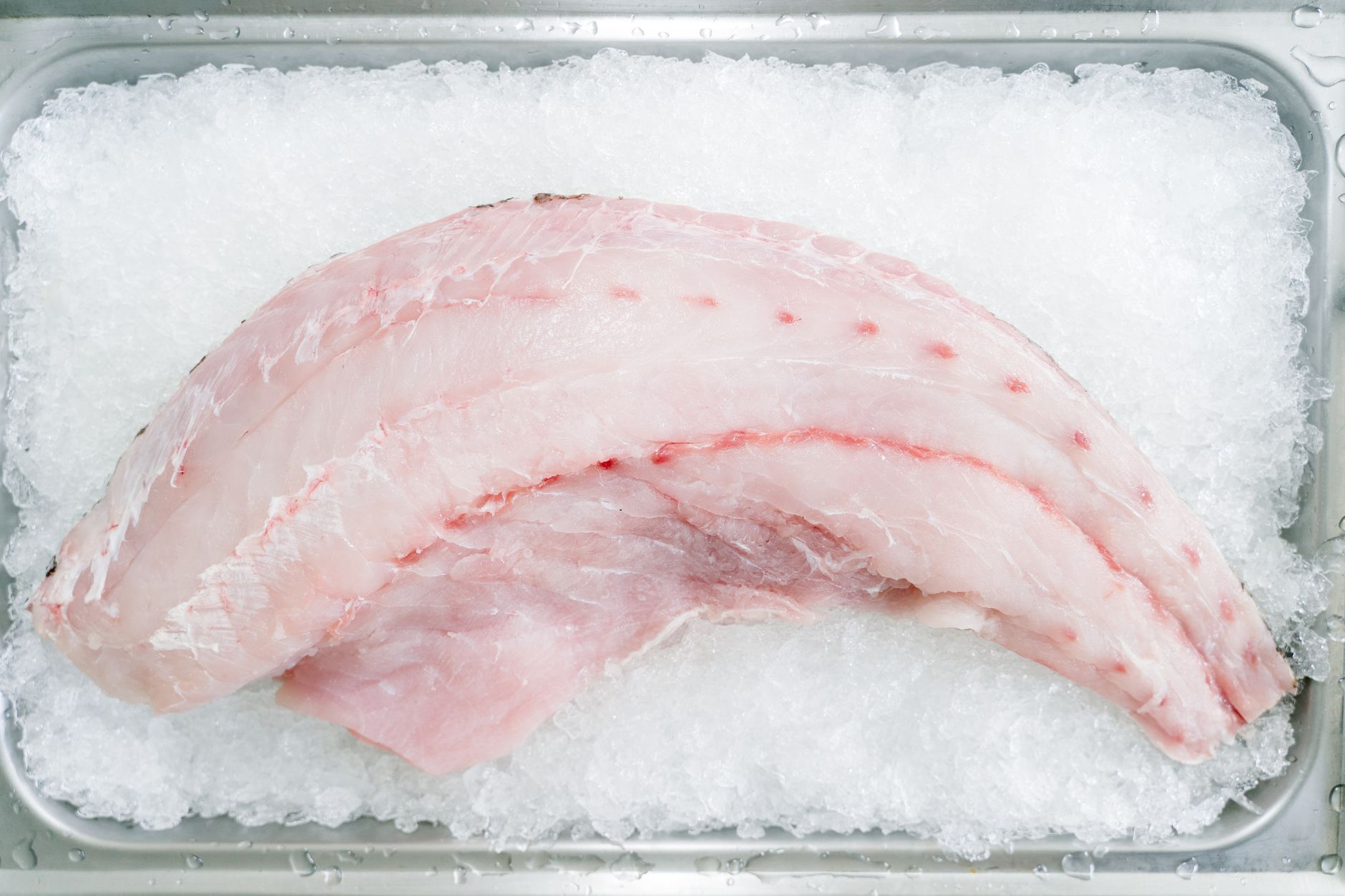
Sable fish, also known as black cod or by its scientific name Anoplopoma fimbria, is a unique seafood choice that has gained popularity in recent years. Renowned for its rich flavor and flaky, buttery texture, this fish is highly prized among chefs and home cooks alike. Understanding what sable fish is, including its flavor profile and how to serve it, can elevate your culinary explorations.
This guide will delve into the characteristics of sable fish, its nutritional benefits, and various ways you can prepare and enjoy it. Whether you’re planning a special dinner or simply curious about this exquisite fish, we’ve got you covered.
What Is Sable Fish?
Sable fish is a deep-sea fish found in the North Pacific, primarily from the Bering Sea to Japan. With its dark skin and white flesh, it can be somewhat similar in appearance to a small salmon. Known for its high oil content, sable fish has a rich, smooth texture and an unmistakably delicious, mild flavor that is often compared to that of salmon or mackerel.
Sable fish is particularly notable for its versatility in cooking, as it can be prepared in various styles, from grilling to braising and smoking. Chefs often highlight sable fish in fine dining, but it’s just as fabulous when cooked at home.
Flavor Profile of Sable Fish
The flavor of sable fish is one of its standout features. Its attributes include:
- Richness: Thanks to its high fat content, sable fish has a buttery mouthfeel that many diners appreciate.
- Mild sweetness: Unlike some stronger-tasting fish, sable fish’s flavor is subtly sweet, making it approachable for a broader audience.
- Flaky texture: When cooked correctly, sable fish has a tender, flaky texture that falls apart beautifully.
This flavor combination allows sable fish to pair wonderfully with a variety of ingredients, enabling diverse culinary applications.
Cooking Techniques for Sable Fish
Cooking sable fish can be incredibly rewarding, thanks to its forgiving fat content. Here are some techniques to explore:
Grilling
- Preheat your grill to medium heat.
- Brush the fish lightly with oil and season with salt and pepper.
- Place the fish skin-side down on the grill and cook for approximately 6 to 8 minutes.
- Carefully flip and cook for an additional 4 to 6 minutes, or until the fish flakes easily.
Baking
- Preheat your oven to 400°F (200°C).
- Place the sable fish in a baking dish and season it.
- Cover with foil and bake for about 15 to 20 minutes, or until the fish is cooked through and flakes easily with a fork.
Pan-Searing
- Heat a non-stick skillet over medium-high heat with a bit of oil.
- Season the fish and place it skin-side down in the skillet.
- Cook for 4 to 6 minutes, then flip and cook for an additional 2 to 3 minutes.
Smoking
Smoking sable fish adds a wonderful depth of flavor. The process generally involves marinating the fish in a soy-based mixture, then cold or hot smoking it. Use wood chips like alder for a traditional flavor.
Regardless of the cooking method, it’s crucial not to overcook sable fish. Monitors its internal temperature; ideally, it should reach around 135°F (57°C) for perfect doneness.
Serving Suggestions for Sable Fish
Sable fish can be enjoyed in various ways. Here are some serving suggestions to enhance your meals:
- As a Main Dish: Pair grilled sable fish with roasted vegetables and a grain like quinoa or rice for a satisfying meal.
- Tacos: Flake cooked sable fish into warm tortillas and add fresh toppings like avocado, cabbage, and salsa for delicious fish tacos.
- With Sauces: Accompany the fish with flavorful sauces such as miso glaze, chimichurri, or lemon-butter sauce to elevate the dish.
- In Salads: Add flaked, cooked sable fish to salads with mixed greens, citrus, and nuts for a lighter option.
- Smoked on a Bagel: Serve smoked sable fish on a bagel with cream cheese, capers, and thinly sliced onions, reminiscent of traditional lox.
Nutritional Benefits of Sable Fish
Sable fish is not only delicious but also offers numerous nutritional benefits. Here are a few highlights:
- High in Omega-3 Fatty Acids: These essential fats support heart health, brain function, and have anti-inflammatory properties.
- Protein-Rich: Sable fish is an excellent source of protein, important for tissue repair and muscle recovery.
- Vitamins and Minerals: It contains various essential nutrients, including vitamin B12, selenium, and phosphorus, contributing to overall well-being.
Where to Buy Sable Fish
When purchasing sable fish, consider the following:
- Source: Look for reputable seafood markets or fishmongers that prioritizes sustainability.
- Freshness: If buying fresh sable fish, ensure it has clear eyes, shiny skin, and a mild, ocean-like smell.
- Frozen Options: Frozen sable fish can also be a good choice and may be more readily available if fresh options are limited.
Storage Tips for Sable Fish
Proper storage of sable fish is essential to maintain its quality:
- Refrigeration: Fresh sable fish can be refrigerated for up to two days. Keep it in the coldest part of your fridge and on ice if possible.
- Freezing: To extend its shelf life, sable fish can be frozen for up to six months. Wrap it tightly in plastic wrap and then in aluminum foil to prevent freezer burn.
Common Mistakes to Avoid
When cooking sable fish, avoid these pitfalls to ensure a delightful dish:
- Overcooking: Due to its high-fat content, sable fish can dry out if overcooked. Monitor the cooking time closely.
- Ignoring Skin: The skin of sable fish can be delicious when rendered properly. Consider leaving it on during cooking and crisping it up.
- Skipping Seasoning: Although sable fish has its unique flavor, it benefits greatly from seasoning. A little salt, pepper, and aromatics enhance its natural taste.
Meal Planning with Sable Fish
Incorporating sable fish into your meal planning can provide variety and nutritional benefits. Here are some ideas:
- Weekly Menu: Try planning a week where you use sable fish in different ways—grilled one day, smoked another, and in salads later in the week.
- Batch Cooking: Cook sable fish in bulk, then use it across meals. Flake it for tacos, salads, or breakfast bowls.
- Side Pairings: Choose sides that complement sable fish well, such as sautéed greens, grains, or roasted root vegetables.
Final Thoughts
Sable fish is a flavorful and versatile ingredient that can elevate any meal. Understanding its characteristics, flavor, and the best ways to prepare and serve it can lead to culinary success. With proper handling and cooking techniques, you can enjoy sable fish in numerous delightful forms.
Are you looking for exciting ways to cook fish? Explore our other guides, such as our lox recipe or try the seared ahi tuna recipe for more delicious seafood inspiration.