
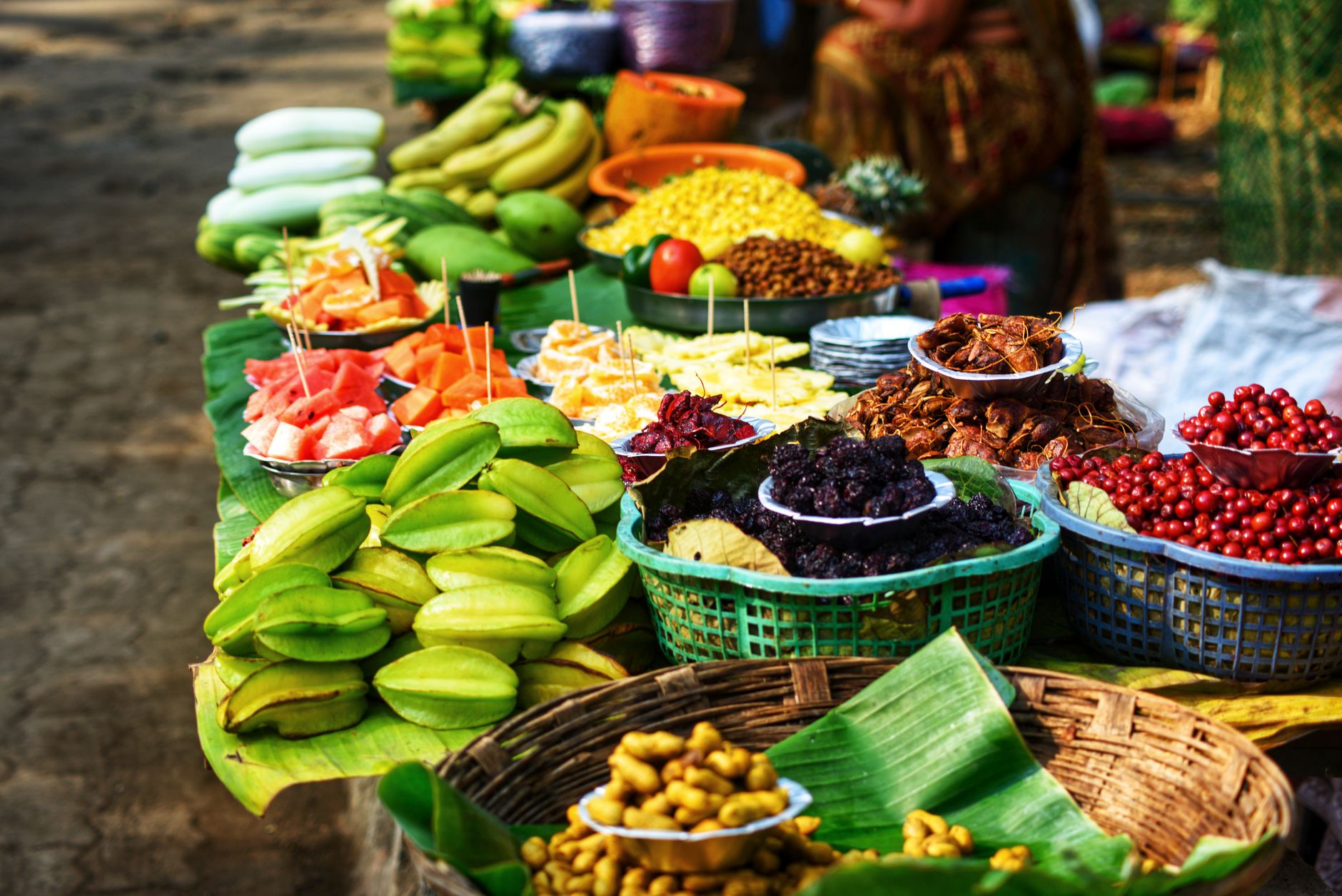
The world of produce can often be confusing, especially when it comes to distinguishing between fruits and vegetables. Both categories play essential roles in cooking and nutrition, yet their definitions and applications are often misunderstood. This article will break down the differences between fruits and vegetables, explaining their botanical definitions, culinary uses, and how to substitute one for the other in recipes.
Understanding whether an ingredient is a fruit or a vegetable can enhance your cooking experience and even affect the flavor profile of your dishes. By learning not just the definitions, but also the various culinary applications, you’ll be better equipped to make informed decisions in the kitchen.
What Is The Difference Between A Fruit And Vegetable?
At its core, the primary difference between fruits and vegetables lies in their botanical classifications. Fruits develop from the flower of a plant and contain seeds. Vegetables, on the other hand, encompass other edible parts of the plant such as leaves, stems, roots, and bulbs. This botanical distinction informs how we cook with these ingredients.
Botanical Definitions
Fruits
Botanically, a fruit is classified as the mature ovary of a flowering plant, typically containing seeds. The purpose of a fruit is to aid in seed dispersal. Common examples of fruits include apples, oranges, and tomatoes. Fruits are usually sweet or tart in flavor and can be eaten raw or cooked.
Vegetables
Vegetables include all other edible parts of a plant: leaves (lettuce, spinach), stems (celery, asparagus), roots (carrots, beets), bulbs (onions, garlic), and even flowers (broccoli, cauliflower). Unlike fruits, vegetables do not develop from flower ovaries and are often more savory in flavor.
Culinary Uses
Understanding the culinary context can also help clarify when to use fruits and vegetables in cooking. While the botanical definitions are precise, culinary uses blur the lines, as some plants we label as vegetables are technically fruits.
Fruits in Cooking
- Fruits often add a natural sweetness to dishes.
- They are commonly used in desserts, salads, and savory dishes.
- Fruits can also be preserved into jams, jellies, and sauces.
Vegetables in Cooking
- Vegetables typically serve as side dishes or main components in savory dishes.
- They can be roasted, steamed, sautéed, or used in soups and stews.
- Vegetables are often mixed with proteins or grains for balanced meals.
Commonly Misunderstood Fruits and Vegetables
Some commonly confused produce items include:
- Tomatoes: Botanically a fruit, used as a vegetable in cooking.
- Cucumbers: Also a fruit, typically treated as a vegetable.
- Bell Peppers: Fruits by definition, but included in vegetable recipes.
Substitutes for Fruits and Vegetables
Sometimes, a recipe calls for a specific fruit or vegetable that you may not have on hand. Understanding the characteristics of fruits and vegetables can help you make effective substitutes. Here are some practical substitutions to use:
Substituting Fruits
- Apple for Pear: Both fruits offer similar sweetness and texture.
- Banana for Avocado: This swap works well in smoothies for creaminess.
- Peach for Nectarine: Interchangeable in most cooking applications.
Substituting Vegetables
- Broccoli for Cauliflower: Both are cruciferous and share similar cooking methods.
- Spinach for Kale: Slightly different textures but can be used interchangeably in salads and sautéed dishes.
- Zucchini for Eggplant: Can substitute in ratatouille or grilled dishes.
Cooking Techniques with Fruits and Vegetables
Understanding how to properly prepare and cook fruits and vegetables can enhance their flavors and make your dishes more appealing. Here are key cooking techniques:
Preparing Fruits
- Peeling: Removing the skin can enhance sweetness, as in apples for pies or smoothies.
- Cutting: Dicing, slicing, or using whole fruits can affect texture and aesthetics.
- Cooking: Some fruits caramelize when cooked, which can heighten their natural sugars, such as in caramelized bananas.
Preparing Vegetables
- Trimming: Always trim off any inedible parts, such as wilted greens.
- Chopping: Uniform pieces ensure even cooking.
- Blanching: Briefly boiling vegetables before shocking them in ice water enhances color and texture.
Common Mistakes with Fruits and Vegetables
To maximize flavor and nutritional benefits, avoid these pitfalls:
Mistakes with Fruits
- Not allowing fruits to ripen: Many fruits develop more complex flavors as they ripen.
- Overcooking: This can lead to loss of nutrients and flavor. Fresh fruits are best enjoyed raw or lightly cooked.
Mistakes with Vegetables
- Overcooking and loss of nutrients: Overcooked vegetables can lose color and texture.
- Not seasoning properly: Vegetables need seasoning to enhance their flavors, especially when steamed.
Storage Tips for Fruits and Vegetables
Proper storage extends the shelf life of fruits and vegetables and maintains their flavor. Here are some practical guidelines:
Storing Fruits
- Keep most fruits at room temperature until fully ripe. Berries should go in the refrigerator to keep fresh.
- Store cut fruits in airtight containers to prevent browning and dehydration.
Storing Vegetables
- Refrigerate leafy greens but keep vegetables like potatoes and onions in a cool, dark place.
- Moisture is often a foe—dry vegetables before storing in bags to prolong freshness.
Seasonality and Local Differences
The distinction between fruits and vegetables can vary depending on where you live. Seasonal produce is usually more flavorful and nutritious. Understanding local growing seasons can help you choose fresh ingredients:
Seasonal Fruits
- Spring: Strawberries, rhubarb.
- Summer: Peaches, melons, berries.
- Fall: Apples, pumpkins, cranberries.
- Winter: Citrus fruits like oranges and lemons.
Seasonal Vegetables
- Spring: Asparagus, peas.
- Summer: Zucchini, tomatoes.
- Fall: Squash, Brussels sprouts.
- Winter: Root vegetables like carrots and beets.
Health Benefits
Including both fruits and vegetables in your diet offers numerous health benefits:
- Fruits provide essential vitamins and antioxidants.
- Vegetables are rich in fiber and essential minerals.
- Both can contribute to lower risks of chronic diseases.
- Balancing both in meals ensures a wide variety of nutrients.
Flavor Profiles and Pairing
Understanding the flavor profiles of fruits and vegetables can assist in creating balanced meals. Here are some common pairings:
Flavor Pairings with Fruits
- Fruits with savory dishes: Apples with pork, peaches with grilled chicken.
- Mixing fruits: Berries with yogurt, melons with mint.
Flavor Pairings with Vegetables
- Vegetables with acidic components: Tomatoes with balsamic vinegar, carrots with citrus.
- Mixing vegetables: Broccoli with cheese, spinach with garlic.
Final Thoughts
Understanding the differences between fruits and vegetables can significantly enhance your cooking. By recognizing the botanical definitions, culinary uses, and how to utilize ingredients effectively, you’ll create meals that are not only delicious but also nutritious.
Whether you’re looking to swap one ingredient for another or simply want to impress with your produce knowledge, knowing the ins and outs of fruits and vegetables is a valuable culinary skill.
For more insights and to explore related topics, consider checking out our articles on what defines a cucumber and the fascinating world of bananas.