
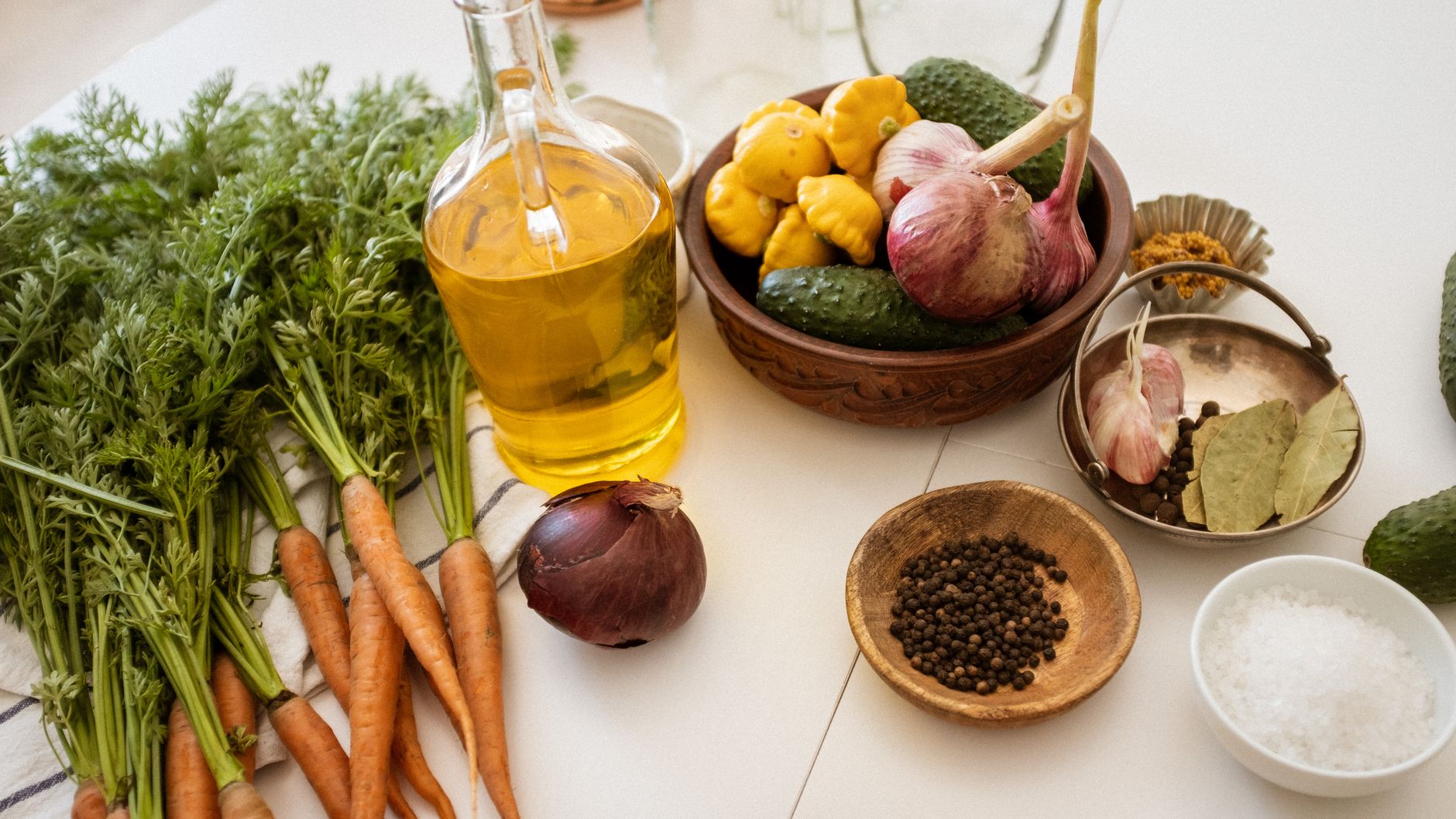
Onions are an essential ingredient in many cuisines worldwide, known for their versatility and ability to enhance flavors in dishes. However, with a variety of onion types available, you may wonder which onion is the healthiest choice for your meals. In this article, we’ll explore the nutritional profiles of common onion varieties, their health benefits, and how to incorporate them into your daily diet.
From sweet onions to robust red and pungent scallions, each onion type offers distinct flavors and nutritional advantages. By the end, you will have a clearer picture of which onion is the healthiest and how you can use them to boost your overall well-being.
Which Onion Is the Healthiest?
The healthiest onion is often considered to be the red onion, due to its high antioxidant content and beneficial phytochemicals. Red onions contain quercetin, an antioxidant that may help reduce inflammation and support heart health. However, all onion types offer unique health benefits, and incorporating a mix of them can provide various nutrients crucial for overall health.
Overview of Common Onion Varieties
Before examining their health benefits, let’s look at the most common onion varieties available in supermarkets:
- Yellow Onions: The most commonly used onion, known for its balanced flavor and versatility.
- Red Onions: Recognized for their vibrant color and slightly sweeter taste. They are often eaten raw in salads or as garnishes.
- White Onions: These have a sharper taste and are frequently used in salsas and salads.
- Sweet Onions: Varieties such as Vidalia and Walla Walla are prized for their mild and sweet flavor, perfect for caramelizing.
- Green Onions (Scallions): These have a mild flavor and are often used as a garnish. Both the green tops and the white bulbs are edible.
Nutritional Comparison of Onion Varieties
Here’s a brief insight into the nutritional content of various onions based on a standard serving of 100 grams:
| Onion Type | Calories | Carbohydrates (g) | Fiber (g) | Sugars (g) | Vitamin C (%) | Quercetin (mg) |
|---|---|---|---|---|---|---|
| Yellow Onion | 40 | 9.34 | 1.7 | 4.24 | 7% | 29 |
| Red Onion | 40 | 9.34 | 1.7 | 4.24 | 7% | 82 |
| White Onion | 40 | 9.34 | 1.7 | 4.24 | 7% | 0 |
| Sweet Onion | 40 | 9.34 | 1.7 | 4.24 | 5% | 30 |
| Green Onion | 32 | 7.34 | 2.6 | 2.3 | 17% | 36 |
Health Benefits of Onions
Onions are packed with nutrients and offer several health benefits:
Rich in Antioxidants
All onions contain antioxidants, which help combat oxidative stress in the body. Red onions, in particular, are high in quercetin, a flavonoid with anti-inflammatory properties. Antioxidants play a crucial role in reducing the risk of chronic diseases.
Promote Heart Health
Onions may contribute to heart health by lowering blood pressure and cholesterol levels. The sulfur-containing compounds found in onions help relax blood vessels, which can improve circulation. Regular consumption can also help reduce the risk of heart disease.
Support Digestive Health
Onions are a great source of fiber, which promotes healthy digestion. The type of fiber found in onions, called inulin, acts as a prebiotic, supporting the growth of beneficial gut bacteria.
Boost Immune Function
The high vitamin C content in onions can enhance immune function, helping the body fend off infections. Additionally, quercetin has been shown to have antiviral properties.
Potential Cancer-Fighting Properties
Studies have suggested that diets rich in onions may lower the risk of certain cancers, particularly stomach and colorectal cancers. The organosulfur compounds in onions are believed to inhibit tumor growth.
How to Incorporate Different Onions into Your Diet
To enjoy the health benefits of onions, it is essential to find ways to incorporate them into your meals. Here are some practical ideas:
Raw in Salads
Red onions or green onions can add a fresh, crunchy element to salads. Their distinct flavors can enhance the overall taste of the dish without overpowering it.
Cooked in Dishes
Yellow and white onions are commonly used in cooking. Sauté them for soups, stews, or stir-fries, where their natural sweetness develops through caramelization.
As a Topping
Use sliced onions on sandwiches, burgers, and pizzas for added flavor. Grilled or caramelized onions can elevate many dishes to the next level.
In Salsas and Dips
Chopped white onions provide a sharpness to salsas and dips, making them perfect companions for tortilla chips or grilled proteins.
As a Flavor Base
Onions form the base for many sauces and gravies. Sautéing finely chopped onions before adding other ingredients can significantly boost flavor.
Substituting Onions in Recipes
If you do not have a particular type of onion, certain substitutes can work well:
| Substituted Onion | Best Substitute | Notes |
|---|---|---|
| Yellow Onion | White Onion | Similar taste, slightly sharper flavor. |
| Red Onion | Sweet Onion | Less sharpness, sweeter flavor. |
| Sweet Onion | Yellow Onion | Sharper flavor, but can work in many recipes. |
| Sliced Onions | Shallots | Milder and more aromatic. |
Common Mistakes When Cooking with Onions
When using onions in your cooking, keep these common mistakes in mind:
Overcooking
When sautéing onions, it is easy to overcook them, turning them mushy and losing their flavor. Aim for a golden brown color to enhance their sweetness without losing texture.
Not Using Enough Onions
Onions can serve as the foundation of flavor in many dishes, and under-utilizing them can lead to bland results. Don’t shy away from adding more onions than the recipe calls for.
Not Cooking Evenly
When cooking onions, spread them out in the pan rather than overcrowding, which can lead to steaming instead of caramelizing. Use a larger skillet if necessary.
Cooking Techniques for Different Onion Varieties
Each onion type can be prepared using various methods to achieve distinct flavors and textures:
Sautéing
This method works well for yellow and white onions. Heat a pan with oil, add chopped onions, and sauté until they become translucent and fragrant, about 5-7 minutes.
Caramelizing
To properly caramelize, slice yellow or sweet onions and cook them slowly in a pan over medium-low heat for 20-30 minutes. The slow cooking allows sugars to develop, creating a rich, brown color.
Grilling
Red onions are great for grilling. Slice them into thick rings, brush with oil, and place them on a grill. Cook until tender and slightly charred, about 4-5 minutes on each side.
Boiling
For soups, potatoes can be boiled with yellow or white onions for additional flavor. Simply add chopped onions to boiling broth or water for 10-15 minutes or until tender.
Pickling
Raw onions can be pickled to add tangy flavors to dishes. Combine thinly sliced onions with vinegar, water, sugar, and salt, then let sit for at least 30 minutes before using.
Storage and Preservation of Onions
To maximize the freshness and shelf life of your onions, follow these guidelines:
- Whole Onions: Store in a cool, dry, and well-ventilated space. Avoid plastic bags, as they trap moisture and promote mold.
- Cuts and Slices: Store in an airtight container in the refrigerator. Consume within 7 to 10 days to ensure optimal freshness.
- Cooked Onions: Can be kept in the refrigerator for up to 3-5 days in a tightly sealed container. Always check for spoilage before use.
Conclusion
Selecting the healthiest onion variety depends on your specific health goals and culinary preferences. Red onions are packed with antioxidants and health promoting compounds, but all onion types contribute valuable nutrients and flavors to your meals. By incorporating a variety of onions in your diet, you can enjoy diverse flavors while reaping the numerous health benefits they provide.
Next time you cook, think about what type of onion you want to use and how it can enrich your dish. Whether adding sweetness, crunch, or tang, onions enhance myriad recipes, making them a kitchen essential. Explore related recipes and cooking tips such as Creamed Onions and Onion Jam to further elevate your meals.