
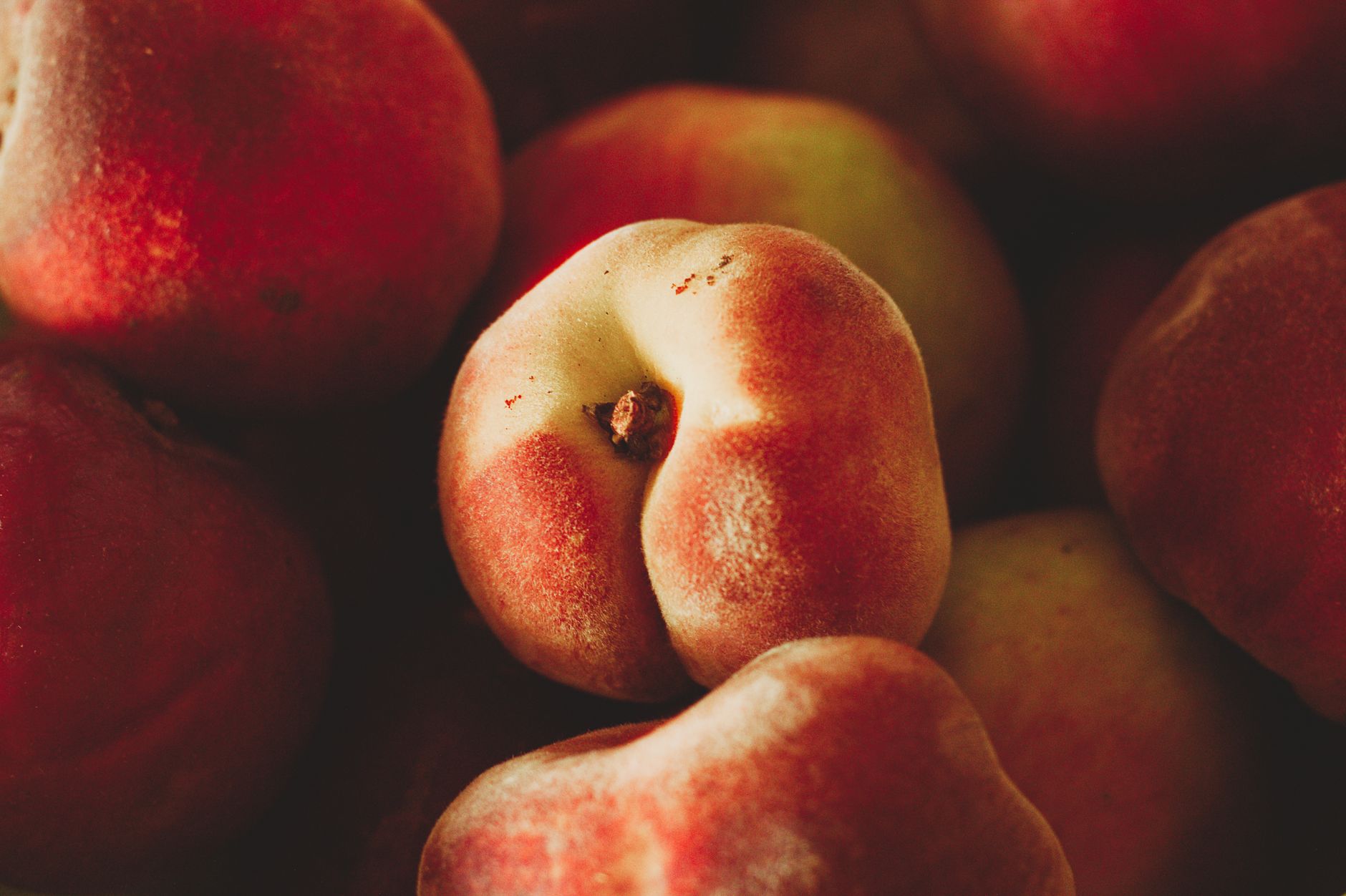
The peach is a delectable fruit enjoyed for its juicy sweetness and vibrant aroma. However, one common question many people have is whether they can eat the skin of peaches. Understanding both the health benefits and potential concerns about peach skin can help you make informed decisions when enjoying this delightful fruit.
This article dives deep into the subject of peach skin, examining its nutritional content, possible pesticide residue, preparation methods, and creative serving ideas. By the end, you’ll have a comprehensive understanding of peach skin and how to include it in your diet.
Can I Eat Peach Skin?
Yes, you can eat peach skin! It is not only safe but also beneficial due to its nutritional content. Eating the skin provides added fiber, vitamins, and antioxidants that can enhance the overall health benefits of this delicious fruit.
Understanding Peach Skin: Nutrition and Benefits
The skin of a peach is thin yet packed with nutrients. Here’s a closer look at what peach skin offers:
- Fiber: The skin provides a good source of dietary fiber, which aids in digestion, helps maintain healthy blood sugar levels, and promotes a sense of fullness.
- Vitamins: Peach skin contains vitamins A and C, which are essential for eye health, skin integrity, and immune function.
- Antioxidants: The skin is rich in antioxidants, which help protect your body from free radical damage, reducing the risk of chronic diseases.
Concerns About Peach Skin: Pesticides and Safety
While eating peach skin is generally safe, it’s important to consider the potential presence of pesticides. Peaches are frequently on the Environmental Working Group’s “Dirty Dozen” list, indicating they may have higher pesticide residues. To minimize risk, consider the following:
- Buy Organic: Choosing organic peaches can help reduce exposure to pesticides. Organic farming practices limit the use of synthetic pesticides and fertilizers.
- Wash Thoroughly: Always wash peaches under running water before consumption. Use a produce brush to scrub the surface, especially if the peach is not organic.
- Peeling is Optional: If you’re concerned about pesticide residues and don’t have access to organic peaches, peel the peaches before eating. This will remove some of the pesticide residues, though it also removes some fiber and nutrients.
How to Prepare and Use Peach Skin
If you decide to eat the skin, there are many ways to prepare and include it in your meals. Here are a few techniques and serving ideas:
Washing Peaches
Proper washing is essential to ensure safety. Here’s how to do it:
- Rinse the peach under cold, running water.
- Gently scrub the surface using a soft brush to remove dirt and potential pesticide residue.
- Pat dry with a clean towel.
Serving Ideas for Peaches with Skin
Here are some creative and nutritious ways to enjoy peaches with their skin:
- Fresh Snack: Simply bite into the peach, skin and all. It’s a juicy and refreshing snack.
- Salads: Chop up peaches with their skins and add them to green salads. They pair well with mixed greens, goat cheese, and a balsamic dressing.
- Smoothies: Blend whole peaches into smoothies for added fiber. Keep the skin on for a nutrient boost.
- Salsas: Dice peaches with skin and combine with onions, cilantro, and lime for a refreshing salsa.
- Baking: Use sliced peaches with skin intact in pies and cobblers. The skin adds texture and flavor to desserts.
Storage and Preservation of Peaches
Proper storage can prolong the freshness of peaches and their skins. Here are tips on how to store them:
- Room Temperature: If peaches are not fully ripe, keep them at room temperature until they ripen. This can take a few days.
- Refrigeration: Once ripe, store peaches in the refrigerator to extend their freshness. Use breathable bags or containers to avoid moisture buildup.
- Freezing: To preserve peaches, wash, slice, and freeze them. You can freeze peaches with skin for smoothies or baking later on.
Peach Skin in Cooking and Baking
Incorporating peach skin into your cooking and baking can add unique flavor and nutrition. Consider these methods:
Baked Goods
Peach skin can add texture and taste to many baked recipes:
- Peach Pie: Mix sliced peaches with their skin intact into your pie filling for added texture and flavor. You can find a reliable peach pie filling recipe to follow.
- Peach Cobbler: Layer fresh peaches with skin in your cobbler for a delicious dessert.
Peach Preserves and Jams
Making peach preserves with the skin can boost flavor and nutrition. Using the skins in a preserve recipe can create a delightful sweet treat. You can refer to a peach preserves recipe to help you along the way.
Common Mistakes and Troubleshooting
When preparing peaches and their skins, avoiding common pitfalls can enhance your experience:
- Not Washing: Skipping the washing step can allow contaminants and pesticides to remain on the skin. Always wash peaches thoroughly.
- Choosing Unripe Peaches: Using unripe peaches can lead to a sour taste. Choose peaches that yield slightly to pressure for ripeness.
- Discarding Skins: Depending on the recipe, removing the skin can lead to loss of nutrients. Consider using peaches with skin in your dishes.
Conclusion
Eating peach skin is safe and beneficial, offering added fiber, vitamins, and antioxidants. By selecting organic peaches and properly washing them, you can enjoy the full benefits of this fruit. Whether you snack on a fresh peach, add it to a salad, or include it in a dessert, the skin is an integral part of the peach experience. Don’t hesitate to embrace the skin’s deliciousness and nutrition.
For those interested in making use of peaches in a variety of ways, be sure to check out our recipes for peach pie filling and peach preserves. Enjoy the sweetness of peaches in your culinary creations!