
When battling the flu, choosing the right foods can make a significant difference in your recovery. While your body works hard to heal, nourishing yourself with the best foods can help alleviate symptoms and provide much-needed comfort. From soothing soups to hydrating drinks, understanding what to eat can turn your sick days into a more manageable experience.
This article will detail various foods, pairing ideas, and tips for making meals that soothe, hydrate, and provide nutrients essential for recovery. By following these suggestions, you can ensure that your body gets the support it needs while you’re under the weather.
What Are the Best Foods to Eat When Sick with Flu?
The best foods to eat when suffering from the flu are nourishing, easy to digest, and hydrating. Soups, broths, fruits, vegetables, whole grains, and natural sweeteners can help soothe your throat, boost your immune system, and keep you hydrated. Here are some specific food categories to focus on.
1. Broths and Soups
Broths and soups are classic comfort foods when sick. They provide hydration, warmth, and nourishment, which are vital during flu recovery.
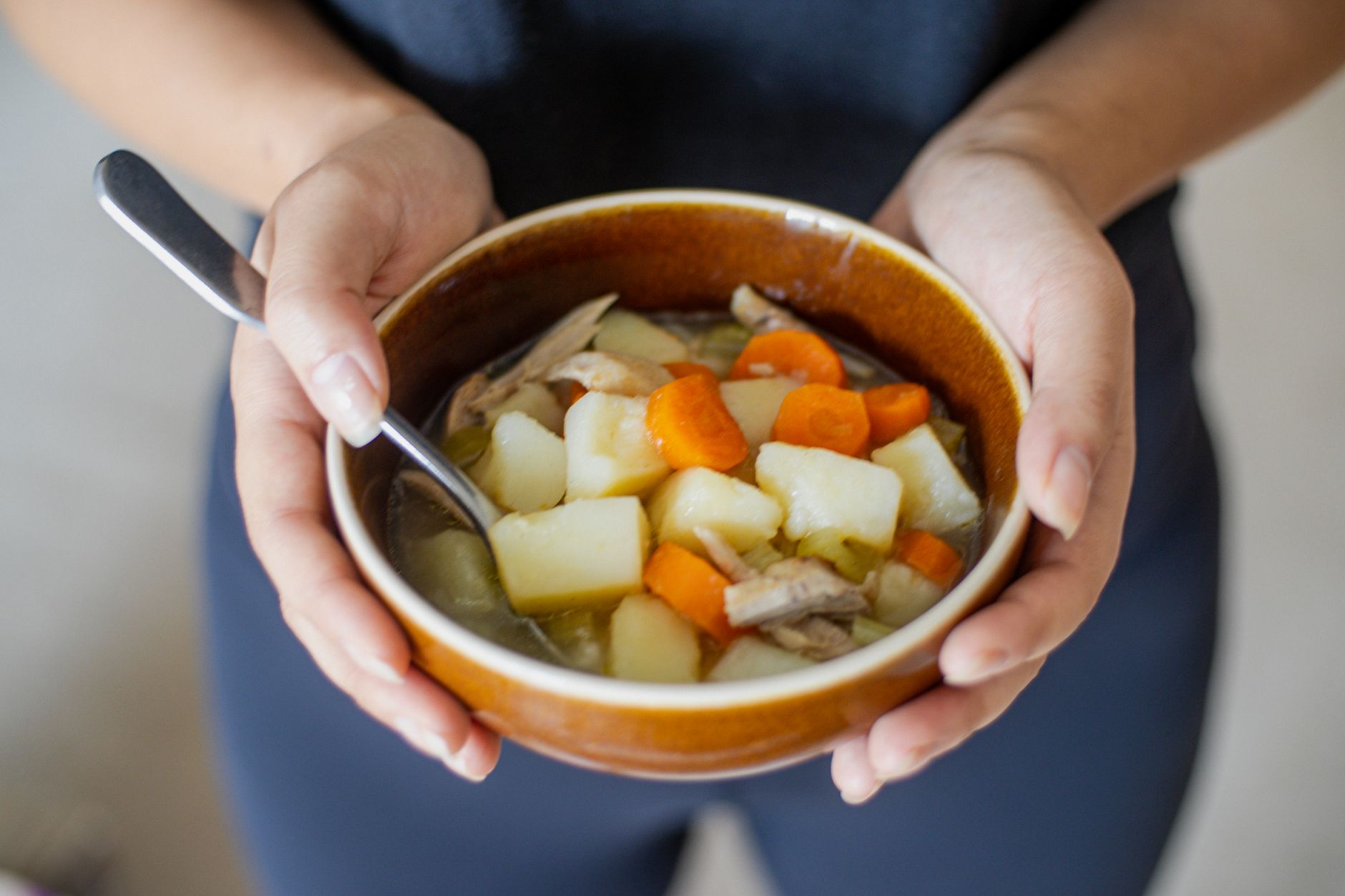
Chicken Soup
Chicken soup is often considered a remedy for colds and flu. The heat from the soup can help clear nasal congestion, and the nutrients from the chicken and vegetables provide essential vitamins and minerals. Consider making a simple chicken soup with the following ingredients:
- 1 whole chicken or 4 chicken thighs
- 8 cups of water or chicken broth
- 2 carrots, sliced
- 2 celery stalks, chopped
- 1 onion, diced
- 2 cloves garlic, minced
- Salt and pepper to taste
- 1 tablespoon olive oil
- Optional: herbs like thyme and parsley
Preparation Steps for Chicken Soup
- In a large pot, heat olive oil over medium heat.
- Add garlic and onion, sauté until softened.
- Add chicken, water, carrots, and celery to the pot.
- Season with salt, pepper, and herbs.
- Bring to a boil, then reduce to a simmer for 1 hour.
- Remove chicken, shred the meat, and return to the pot.
- Serve hot, garnished with fresh herbs if desired.
Vegetable Broth
If you’re vegetarian or looking for a lighter option, vegetable broth is a great alternative. You can use the same method as above, substituting chicken with a variety of chopped vegetables like:
- Carrots
- Celery
- Onion
- Garlic
- Potatoes
- Any seasonal vegetable of your choice
Simmer all ingredients in water for 30-40 minutes until flavors meld. Strain before serving.
2. Hydrating Beverages
Staying hydrated during flu is paramount. Here are some nourishing drink options:
Herbal Teas
Herbal teas, particularly those made with ginger or peppermint, soothe sore throats and aid digestion. Consider:
- Ginger Tea: Boil fresh ginger slices in water for about 10 minutes.
- Peppermint Tea: Steep peppermint leaves in hot water for 5-7 minutes.
Both can be sweetened with honey, which has natural soothing and antimicrobial properties.
Electrolyte Drinks
Incorporating fluids with electrolytes can help replenish what’s lost during illness. You can create your own electrolyte drink with:
- 1 cup of water
- 1 tablespoon of fresh lemon juice
- 1/4 teaspoon of salt
- 1 tablespoon of honey or agave syrup
Mix and adjust sweetness as needed.
3. Fresh Fruits and Vegetables
Fruits and vegetables are powerhouse foods packed with vitamins and antioxidants. They can help strengthen your immune system while being easy to digest.
Citrus Fruits
Citrus fruits like oranges, lemons, and grapefruits are excellent for vitamin C, which can boost immunity. Consider snacking on:
- Fresh oranges sliced
- Lemon slices in hot water or tea
- Grapefruit halves
Bananas
Bananas are easily digestible and help replenish potassium, which can be lost during flu. They can be eaten plain, blended into smoothies, or mixed with yogurt for added protein.
Soups with Vegetables
Incorporating vegetables into your broth or soup provides fiber, vitamins, and minerals. Consider spinach, kale, or zucchini added in the last few minutes of cooking for freshness.
4. Whole Grains
Whole grains provide energy and are easier to digest when prepared properly. They can be included in meals and snacks:
Oatmeal
Oatmeal is comforting and gentle on the stomach. Cook rolled oats with water or milk and top with:
- Sliced bananas
- Honey
- Cinnamon for flavor
Additions like nuts or seeds can be included based on your comfort level.
Brown Rice or Quinoa
Brown rice or quinoa can be served with soups or as a side dish. Cook according to package instructions; they can be seasoned simply with salt and a drizzle of olive oil.
5. Protein Sources
Protein is essential for recovery. Focusing on easy-to-digest proteins will help sustain your energy levels.
Eggs
Eggs are versatile and packed with nutrients. They can be prepared in different ways: boiled, scrambled, or made into an omelet with vegetables.
Greek Yogurt
Greek yogurt contains probiotics that support gut health. It can be enjoyed plain or mixed with fruits or honey for added flavor.
Tofu
For those following a plant-based diet, tofu is a high-protein option easily incorporated into soups or stir-fries.
6. Comforting Snacks
Finding appetizing snacks can be challenging when you are sick, but here are some easy options:
Rice Cakes or Crackers
Light and easy to digest, rice cakes or whole-grain crackers can be topped with:
- Peanut butter or almond butter for protein
- Avocado for healthy fats
Applesauce
Applesauce is gentle on the stomach and can be paired with a sprinkle of cinnamon for added flavor. It’s a great option that provides fiber without being too heavy.
7. Sweet Treats for Comfort
When recovering from the flu, enjoying a small treat can offer emotional comfort:
Honey
Honey can soothe a sore throat and is a natural sweetener for tea, oatmeal, or yogurt.
Dark Chocolate
In moderation, dark chocolate can provide antioxidants. Opt for lower sugar options and enjoy it as an occasional treat while sick.
Pairing Ideas and Tips
To enhance your flu-friendly meals, consider these pairing ideas:
Combining Flavors
Pairing foods that provide comfort and nutrients can make a big difference. Combining a warming soup with whole-grain crackers or toast can create a satisfying meal.
Snack Timing
Smaller, more frequent meals can be easier on the stomach rather than three heavy meals. Keep snacks readily available, such as cut fruits or yogurt, to encourage eating.
Staying Hydrated
Remember to drink plenty of fluids throughout the day. Aiming for water, herbal teas, and light juices can help maintain hydration levels.
Temperature Matters
Consume foods that are warm, not too hot. Warm foods can provide comfort, while very hot foods may irritate a sore throat.
Common Mistakes and Troubleshooting
While trying to find suitable foods during flu, some common pitfalls might arise:
- Not Eating Enough: If you feel nausea, focus on broths and light foods rather than heavy meals. Listen to your body.
- Overloading on Sugary Foods: Limit sugary foods that may cause spikes in energy followed by crashes. Opt for natural sugars found in fruits.
- Neglecting Hydration: Make hydration a priority. If water is unappealing, herbal teas and soups can provide vital fluids.
Storage and Reheating Tips
During flu recovery, meal preparation is essential:
- Refrigeration: Store soups and broths in airtight containers to maintain freshness for up to four days.
- Freezing: Broths, soups, and cooked grains can be frozen for easy meals later on. Use freezer-safe containers.
- Reheating: Reheat soups and broths until they reach a boil for safety. Stir well to ensure even heating.
Eating well when sick with the flu can significantly ease your discomfort and support your body’s recovery. Focusing on hydration, nutrients, and easy-to-digest options will enable you to nourish yourself without added stress. Whether it’s a warm bowl of chicken soup or your favorite herbal tea, these strategies can help you feel better sooner.
For more recovery tips, explore what to eat after vomiting for gentle ideas or try a homemade medicine ball recipe that offers a natural approach to wellness.