
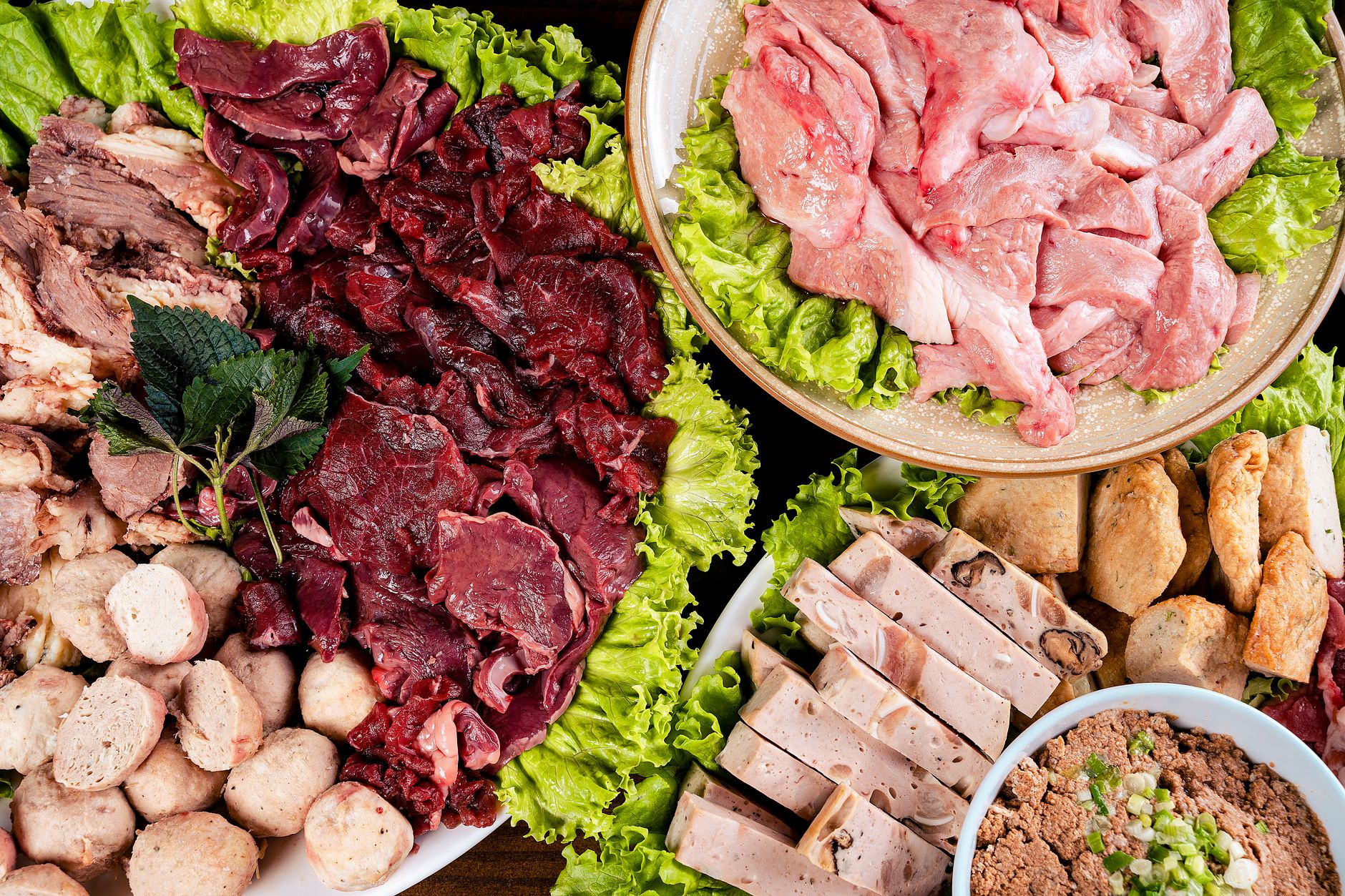
Ostrich has emerged as an increasingly popular alternative to more commonly consumed meats like beef, chicken, and pork. With its unique flavor and health benefits, many people are curious about the culinary uses of ostrich and how it fits into a balanced diet.
This article will explore the aspects of eating ostrich, including how it tastes, its nutritional profile, preparation methods, and delicious serving ideas that can entice even the most hesitant eaters.
Do People Eat Ostrich?
Yes, people do eat ostrich, and it has been part of various cuisines around the world for many years. Its meat is known for being lean and nutrient-dense, making it a favorable option for health-conscious individuals. Ostrich meat is often enjoyed in the form of steaks, burgers, and sausages.
The Appeal of Ostrich Meat
Ostrich meat offers a distinct flavor profile that is often described as a cross between beef and turkey, with a mildly gamey taste. Its texture is tender and juicy, making it versatile for a variety of dishes. Health-wise, ostrich is lower in cholesterol and saturated fat compared to beef, while being high in protein, iron, and other essential nutrients.
Nutritional Benefits
Ostrich meat is often celebrated for its nutritional advantages:
- High in Protein: Provides about 22 grams of protein per 3-ounce serving, which supports muscle growth and repair.
- Lower in Fat: Contains only about 3 grams of fat, making it a healthier red meat choice.
- Rich in Iron: A great source of iron, essential for forming hemoglobin and preventing anemia.
- Low in Calories: With around 150 calories per serving, it’s a great option for weight management.
How to Prepare Ostrich Meat
Cooking ostrich meat requires different techniques compared to traditional meats. Due to its low fat content, it cooks quickly and can become tough if overcooked. Here’s how to prepare it properly:
Selecting the Right Cuts
Ostrich comes in a variety of cuts, each suited to different cooking methods:
- Ostrich Steak: Best for grilling or pan-searing.
- Ostrich Tenderloin: Extremely tender; ideal for quick cooking methods.
- Ground Ostrich: Great for making burgers, meatballs, or stir-fries.
- Ostrich Roast: Perfect for slow cooking or roasting.
Cooking Techniques
Here are popular cooking techniques used for preparing ostrich meat:
Grilling
Grilling is one of the best ways to cook ostrich steak. The high heat helps lock in juices:
- Preheat your grill to medium-high heat.
- Season the ostrich steaks with salt, pepper, and any other desired spices.
- Grill the steaks for 4-5 minutes per side, depending on thickness, aiming for medium-rare (about 145°F).
- Let rest for a few minutes before slicing to retain juices.
Pan-Searing
Pan-searing is another efficient method that creates a flavorful crust:
- Heat olive oil in a heavy skillet over medium-high heat.
- Add seasoned ostrich steaks and sear for about 3-4 minutes on each side.
- Check for doneness using a meat thermometer.
- Allow the meat to rest before serving.
Slow Cooking
For tougher cuts or when making stews, slow cooking is effective:
- Brown the meat in a skillet to develop flavor.
- Place in a slow cooker with vegetables, broth, and spices.
- Cook on low for 6-8 hours until tender.
Serving Ideas for Ostrich
Ostrich meat can be consumed in several delightful ways:
Ostrich Burgers
Ground ostrich makes excellent, juicy burgers. They can be seasoned and grilled, served on a bun with traditional toppings like lettuce, tomato, and aioli. This method enhances the meat’s unique flavor while keeping it moist. Here’s a quick method:
- Mix ground ostrich with your choice of herbs and spices.
- Form into patties and season with salt and pepper.
- Grill for about 4-5 minutes on each side.
- Serve on a toasted bun with your favorite toppings.
Stir-Fry Dishes
Ostrich stir-fry offers a quick, nutritious meal option:
- Slice ostrich tenderloin into thin strips.
- Heat a wok with a bit of oil and add vegetables like bell peppers, broccoli, and snap peas.
- Add ostrich and stir-fry for about 5 minutes.
- Season with soy sauce and sesame oil.
Ostrich Tacos
Transform ostrich meat into a taco night sensation:
- Season ground ostrich with taco spices.
- Cook in a skillet until browned.
- Serve in tortillas with toppings like avocado, salsa, and cilantro.
Ostrich Steaks with Sides
For a more elegant meal, serve grilled ostrich steaks with sides:
- Roasted vegetables like asparagus or carrots.
- Quinoa or wild rice for added texture.
- A fresh salad drizzled with balsamic vinaigrette.
Common Mistakes When Cooking and How to Avoid Them
Like any meat, cooking ostrich requires attention to detail. Here are common mistakes to avoid:
- Overcooking: Given its low fat content, ostrich dries out quickly. Use a meat thermometer to ensure it’s not overdone.
- Neglecting Marinades: Ostrich benefits from marinades, which can enhance flavor and tenderness. Consider marinating for a few hours prior to cooking.
- Not Letting It Rest: Allowing the meat to rest post-cooking helps retain juices and improves texture.
Storage and Safe Handling of Ostrich
As with any meat, proper handling and storage are crucial for maintaining safety and quality:
Storage
Store ostrich meat in the refrigerator if it will be cooked within 1-2 days. If not, freezing is advisable:
- Seal in airtight packaging to prevent freezer burn.
- Label with the date before freezing, and aim to use within 6 months for best quality.
Thawing
Always thaw ostrich meat in the refrigerator or cold water, never at room temperature, to prevent bacterial growth.
Cooking Safety
Use a reliable meat thermometer to ensure the internal temperature reaches the safe recommended minimum of 145°F (63°C) for ostrich.
Potential Environmental and Ethical Considerations
Ostrich farming is often seen as more sustainable than traditional livestock farming. They require less feed and water and produce fewer greenhouse gases. However, it’s essential to purchase ostrich from reputable sources that adhere to ethical farming practices.
Conclusion
People undoubtedly eat ostrich, and for good reason. Its unique flavor, excellent nutritional profile, and versatility in cooking make it a worthy addition to any meal plan. Whether grilled, stir-fried, or made into burgers, ostrich meat can provide a delicious and healthful alternative to traditional meats. So, why not give it a try for your next culinary adventure?
For additional cooking tips, enriching recipes, and useful food guides, explore related topics in meal planning, ingredient substitutions, or discover other meat alternatives that can expand your kitchen repertoire. Happy cooking!