
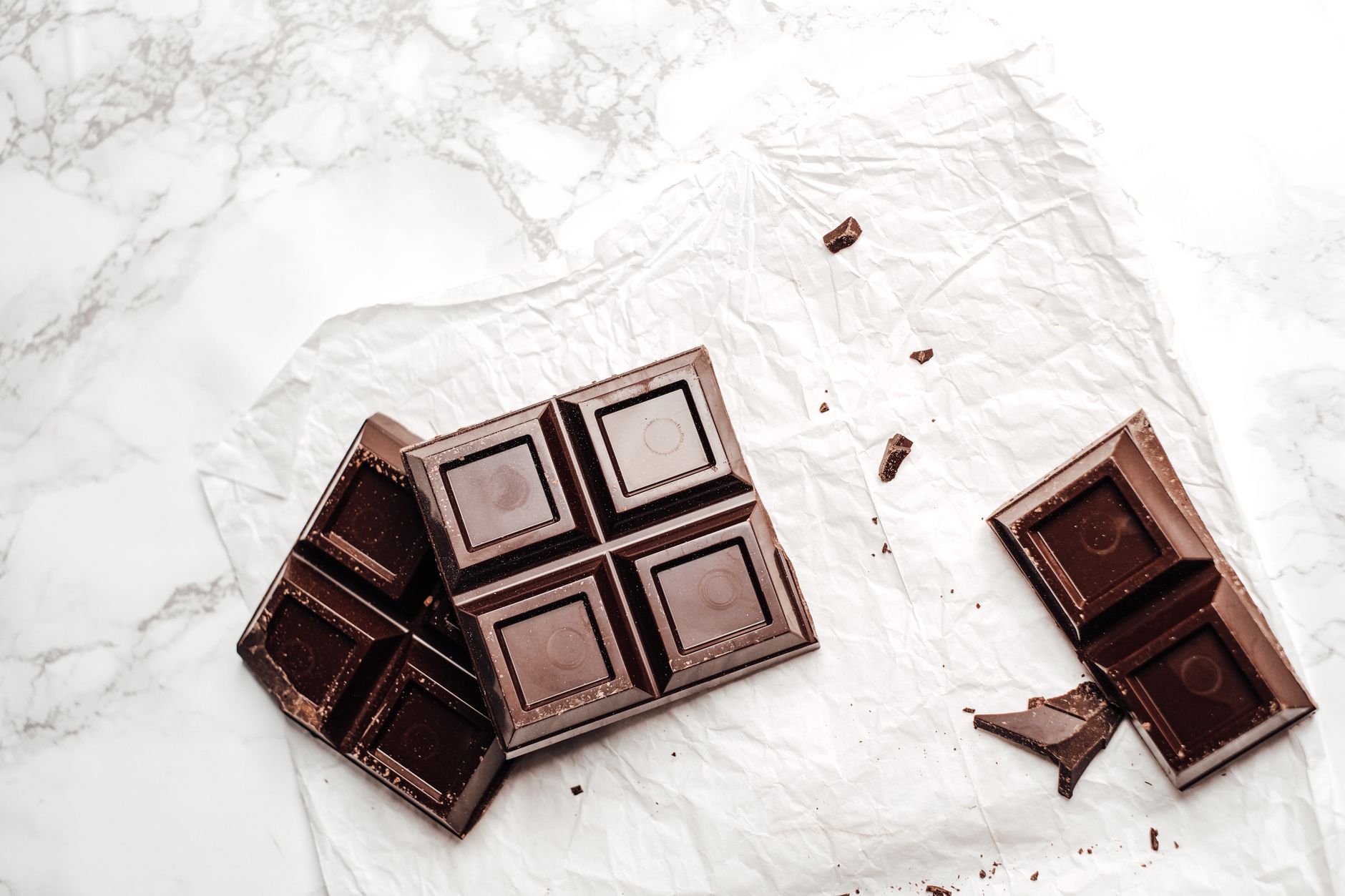
Heartburn is a common issue that many people face, especially after indulging in certain foods. One treat often in question is dark chocolate. This article will explore the relationship between dark chocolate and heartburn, providing insight into both dietary factors and portion control.
Understanding how dark chocolate affects heartburn is essential for those with sensitive stomachs. By examining the ingredients and common triggers, you can enjoy chocolate while minimizing discomfort.
Does Dark Chocolate Cause Heartburn?
Yes, dark chocolate can cause heartburn in some individuals, although the effects can vary based on the type and amount consumed. Factors such as fat content and the presence of caffeine and theobromine, both found in chocolate, can contribute to heartburn symptoms.
The Science Behind Heartburn
Heartburn, also known as gastroesophageal reflux disease (GERD), occurs when acid from the stomach backs up into the esophagus. This can cause a burning sensation in the chest or throat. Identifying triggers like certain foods is crucial in managing symptoms.
What Causes Heartburn?
Heartburn is primarily caused by the relaxation of the lower esophageal sphincter (LES), a muscle that prevents stomach acid from rising. Factors that can weaken the LES include:
- High-fat foods
- Spicy foods
- Caffeine
- Alcohol
- Chocolate
How Does Dark Chocolate Fit In?
Dark chocolate contains higher levels of fat than milk chocolate, which can exacerbate heartburn in sensitive individuals. Additionally, it has caffeine and theobromine, both of which can relax the LES, leading to increased acid reflux occurrences.
Understanding Dark Chocolate’s Composition
To gain a clearer picture, let’s break down the key components of dark chocolate that might contribute to heartburn.
Fat Content
Dark chocolate typically has a higher fat content compared to other varieties. Fat can slow down digestion and relax the LES, making heartburn more likely. Options with less cocoa content may be a safer bet for those prone to heartburn.
Caffeine and Theobromine
Caffeine is a known trigger for heartburn. While dark chocolate contains less caffeine than coffee, it can still be significant in larger quantities. Theobromine, another component of chocolate, can also lead to relaxing the esophageal sphincter.
Portion Sizes Matter
Understanding that portion sizes play a critical role in the likelihood of heartburn can help chocolate lovers continue to enjoy their favorite treat without discomfort.
Recommended Serving Sizes
Moderation is key when it comes to enjoying dark chocolate. Depending on individual tolerance levels, a simple guideline is:
- 1 ounce (about 28 grams) of dark chocolate per day for most adults.
- Avoid larger quantities, especially before bedtime or after heavy meals.
Listening to Your Body
It’s essential to be in tune with your body. Keep a food diary noting any heartburn episodes related to dark chocolate consumption. This can help you identify your personal limits.
Types of Dark Chocolate to Consider
Not all dark chocolate is created equal. The type and quality can significantly impact how your body reacts.
Choose Quality over Quantity
Opt for dark chocolates that are high in cocoa content (70% or more). These varieties typically have less sugar and may provide health benefits, such as antioxidants, without overwhelming your stomach with excess fat or sugar.
Avoid Additives
Some dark chocolates contain additives that may trigger heartburn. Ingredients such as emulsifiers, artificial flavors, and excess sugar can exacerbate symptoms. Always check the ingredient list.
Alternative Ways to Enjoy Chocolate
If dark chocolate consistently causes issues, consider fun alternatives that can satisfy your sweet tooth without heartburn or discomfort.
Cacao Nibs
Cacao nibs are a less processed form of chocolate and can be a great topping for yogurt or oatmeal. They contain fewer additives and offer a rich chocolate flavor without the added fat of bars.
Dark Chocolate-Flavored Treats
Explore dark chocolate-flavored items that have less offending properties, like dark chocolate decaf drinks or low-fat dark chocolate desserts. Just ensure that they still align with your dietary needs.
Strategies to Minimize Heartburn
For those who love dark chocolate yet experience heartburn, there are strategies to enjoy it while reducing the risk of discomfort.
Stay Hydrated
Drinking plenty of water may aid digestion and help prevent heartburn after eating chocolate. However, avoid carbonated beverages, as they can contribute to gas and bloating.
Pair with Alkaline Foods
When consuming dark chocolate, pair it with alkaline foods like bananas or spinach. This may help neutralize acidity and minimize discomfort.
Mind Your Timing
Timing can make a difference. Enjoy dark chocolate in small portions far from meals, as this may reduce the likelihood of triggering heartburn symptoms.
When to Consult a Healthcare Professional
While occasional heartburn is common, persistent symptoms should be evaluated by a healthcare professional. If dark chocolate or any food frequently causes discomfort, it’s important to assess for underlying conditions.
Identifying More Serious Issues
Chronic heartburn may require medical evaluation for conditions such as GERD or esophagitis. If your heartburn is accompanied by additional symptoms like difficulty swallowing or weight loss, seek advice from a healthcare professional immediately.
Conclusion and Enjoying Chocolate Wisely
Dark chocolate can indeed contribute to heartburn for some individuals. However, with mindful consumption, portion control, and informed choices, it is possible to savor dark chocolate without the unpleasant effects. Pay attention to your body, and make adjustments based on your own experiences.
By enjoying dark chocolate in moderation, opting for higher cocoa content options, and being cautious about the other ingredients, you can indulge in this delightful treat while keeping heartburn at bay. Experiment with alternative chocolate options and be proactive in managing your diet to discover what works best for you.
Explore more delicious recipes and tips with links to our Chia Pudding Recipe and Mexican Hot Chocolate Recipe. Enjoy your culinary journey while navigating your dietary preferences!