
Cumin is a spice that has made its mark on cuisines worldwide, particularly in Middle Eastern, Indian, and Mexican cooking. The origins of this potent seasoning go beyond just its flavor profile; they delve into food history and its cultural significance. Understanding where cumin comes from not only enriches your culinary knowledge but also enhances your appreciation for this intriguing spice.
This article will explore the origins of cumin, its journey from farm to table, its uses in cooking, and how it has woven itself into various culinary traditions. By the end, you’ll have a comprehensive understanding of this essential spice.
Where Does Cumin Come From?
Cumin originates from the Cuminum cyminum plant, which is part of the Apiaceae family, the same family as parsley, carrots, and celery. Native to the eastern Mediterranean and South Asia, cumin is cultivated extensively in countries like India, Iran, Turkey, and Egypt. The plant thrives in warm climates, making it suitable for many regions with a temperate to hot climate.
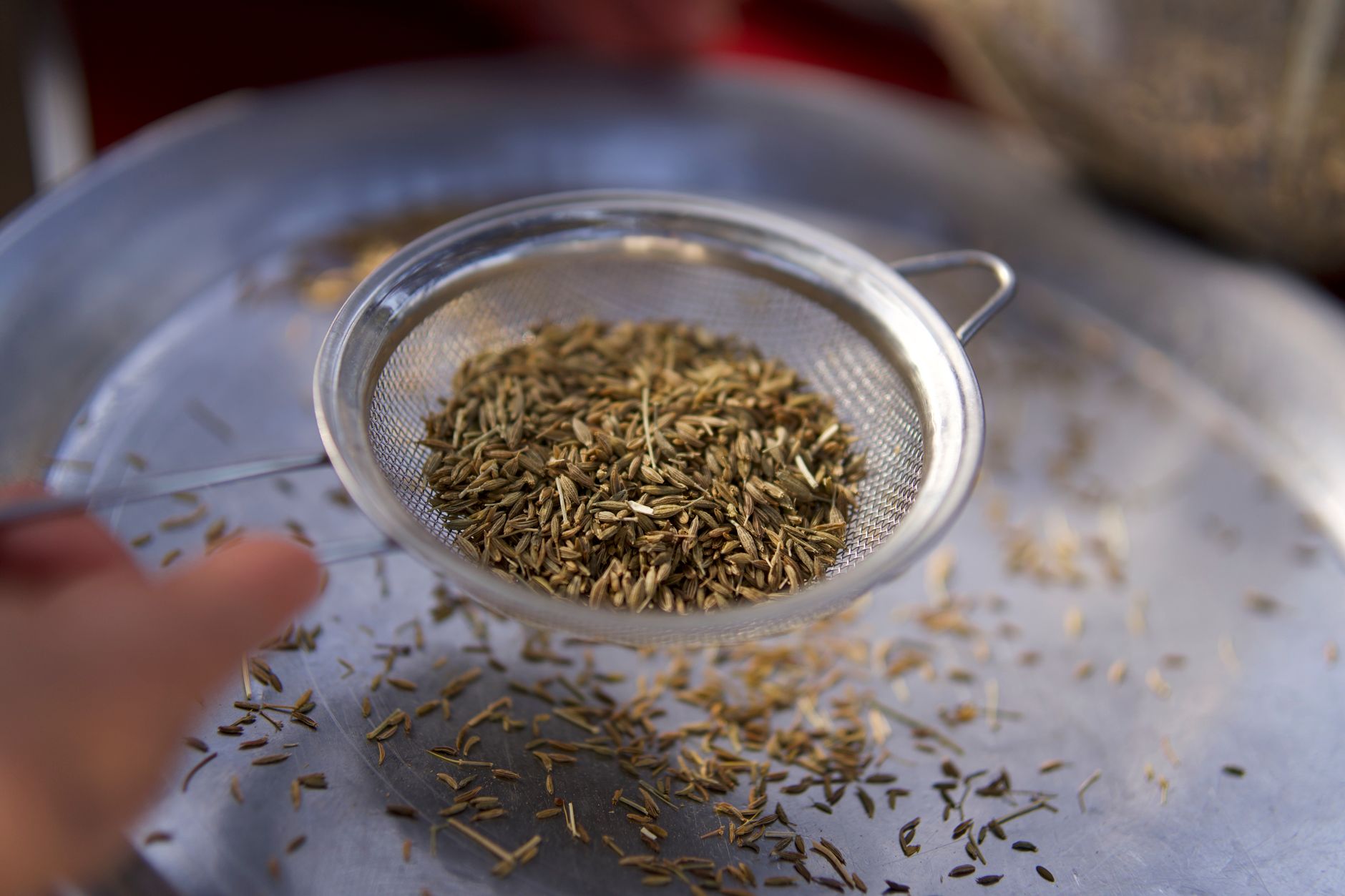
The spice we know as cumin comes from the seeds of this flowering plant. When the seeds mature and dry out, they are harvested, often by hand, and then either used whole or ground into powder. Despite being a humble seed, cumin plays a significant role in various culinary practices, revealing much about its rich history.
The History of Cumin
Cumin has a storied past that can be traced back thousands of years. Evidence suggests that cumin was used by the ancient Egyptians, who included it in their embalming processes and often mentioned it in their writings. Archaeological findings from ancient Egypt show cumin being used both as a spice and a part of traditional medicinal practices.
In ancient Greece and Rome, cumin was celebrated as a valuable culinary ingredient. It was often used to flavor dishes, but its use extended beyond the kitchen. Greeks would sprinkle cumin on their money to confer prosperity, and it was believed to ward off evil spirits.
As trade routes expanded during the Middle Ages, cumin spread throughout Europe and Asia. The spice became a staple in numerous regional cuisines, particularly in India, where it is a key ingredient in many traditional dishes.
Culinary Applications of Cumin
Cumin is not just a spice; it is a cornerstone in many culinary traditions. Here is a closer look at how cumin is used in various cuisines:
- Indian Cuisine: Cumin is a fundamental spice in Indian cooking, often found in spice blends like garam masala. It is used to season lentils, vegetables, and meats in dishes such as curry, dal, and biryani.
- Middle Eastern Cuisine: In Middle Eastern cooking, cumin features prominently in dishes like hummus, falafel, and kebabs. Its bold, warm flavor pairs well with the region’s aromatic spices and herbs.
- Mexican Cuisine: In Mexico, cumin is frequently added to chili, tacos, and salsas. Its earthy flavor enhances the richness of beans and meats.
- North African Cuisine: In North Africa, cumin is often included in spice blends like ras el hanout and is essential in tagines and couscous dishes.
Types of Cumin
There are two primary types of cumin:
- Common Cumin (Cuminum cyminum): This is the most widely used form and is predominantly found in Indian and Mediterranean cuisine.
- Black Cumin (Nigella sativa): Not to be confused with common cumin, black cumin has a different flavor profile that is often described as having a more pungent, slightly bitter taste. It is frequently used in Middle Eastern and South Asian cuisines.
Selecting and Storing Cumin
When selecting cumin, consider the following tips:
- Whole vs. Ground: Purchase whole cumin seeds whenever possible, as they retain their flavor longer than pre-ground spices. Grinding them fresh will yield the best taste.
- Color and Aroma: Look for seeds that are a deep brownish color and have a distinct, earthy aroma, which indicates freshness.
- Packaging: Store cumin in airtight containers to protect it from moisture, light, and air. A dark, cool cabinet is ideal for maintaining its flavor.
Using Cumin in Cooking
Incorporating cumin into your recipes can elevate dishes remarkably. Here are some practical suggestions on how to use cumin effectively:
- Toasting: Toast cumin seeds in a dry skillet over medium heat for a few minutes until fragrant. This enhances their flavor, making them aromatic and more intense.
- Seasoning: Add ground cumin to spice blends, marinades, soups, stews, and even vegetable dishes to introduce warmth and depth.
- Combine: Pair cumin with complementary spices like coriander, chili powder, or paprika to create flavorful spice rubs for meats or vegetables.
- Flavoring: Consider adding cumin to legumes and grains to enhance their nutritional profile and flavor.
Common Mistakes When Using Cumin
While cumin is a straightforward spice to use, there are common pitfalls to avoid:
- Overusing: Cumin has a strong flavor; using too much can overwhelm your dishes. Start with smaller amounts and adjust according to your taste.
- Neglecting Freshness: Old spices lose their flavor. Check expiration dates and replace your spices regularly to ensure the best taste.
- Ignoring Cooking Method: Certain preparations, like toasting, can enhance cumin’s flavor. Don’t skip this step if you want to achieve its full potential.
Substitutions for Cumin
If you find yourself out of cumin, there are a few substitutes you can use in a pinch:
- Coriander: This spice has a similar aromatic profile and can be a suitable substitute. Use it in equal amounts.
- Caraway Seeds: Caraway has a slightly different flavor but can work well as an alternative in savory dishes.
- Chili Powder: This can be a good substitute in Mexican recipes, although it may alter the overall flavor. Use it sparingly at first to gauge its impact.
- Garam Masala: If incorporating it into Indian dishes, consider using garam masala, which usually includes cumin among its ingredients. Use a bit more since the spice blend is less concentrated.
The Nutritional Profile of Cumin
While not a significant source of calories, cumin does offer a range of nutritional benefits when used in cooking:
- Vitamins and Minerals: Cumin contains essential nutrients such as iron, manganese, and magnesium, which are vital for maintaining bodily functions.
- Antioxidant Properties: Rich in antioxidants, cumin can support overall health by combating free radicals in the body.
- Digestive Benefits: Traditionally, cumin has been used to aid digestion and may have carminative properties, helping to relieve bloating and promote gut health.
Rituals and Cultural Significance of Cumin
Cumin’s importance goes beyond culinary use—it’s deeply embedded in various cultures and traditions. In some cultures, cumin is used in rituals and as a symbol of protection and prosperity.
For example, in traditional Indian cuisine, cumin is often added to “tadka” or tempering, where it’s cooked in hot oil along with other spices before being added to a dish, a practice that enhances the flavors and aroma of the food.
In Middle Eastern traditions, cumin is believed to bring good luck and is often associated with certain religious rituals and festivals.
Regional Variations: Cumin Around the World
Different cultures have unique ways of using cumin in their culinary practices. Here’s a peek into its regional variations:
- India: Cumin is essential in Indian households, found in masalas and various traditional dishes. Food is often tempered with cumin seeds to create a rich base.
- Mexico: Cumin is crucial in many Mexican dishes, such as tacos and enchiladas, offering a distinctive flavor that complements spicy elements.
- North Africa: In countries like Morocco, cumin is a key ingredient in tagines and spice blends, providing depth and warmth.
- Germany: Caraway seeds, a close relative to cumin, are often used in German dishes, showcasing how regional preferences impact spice choices.
Exploring Cumin Through Recipes
To understand cumin even better, consider trying some recipes that highlight its flavor:
- Chili Con Carne: A classic dish featuring cumin, showcasing how it enhances the overall flavor and aroma.
- Spiced Lentil Soup: Cumin is a key ingredient, adding depth and richness to this nutritious dish.
- Moroccan Tagine: Experience the aromatic flavor of cumin in this traditional North African stew.
Conclusion
Cumin is more than just a spice; it is a cultural icon with deep-rooted history that has enriched global cuisines. Understanding where cumin comes from and how to use it can add both flavor and nutritional benefits to your meals. Whether you’re cooking a traditional dish or experimenting with new recipes, cumin remains an integral player in the kitchen.
Explore related recipes and tips for enhancing your cooking using ingredients like cumin and find out more about substitutes for coriander.