
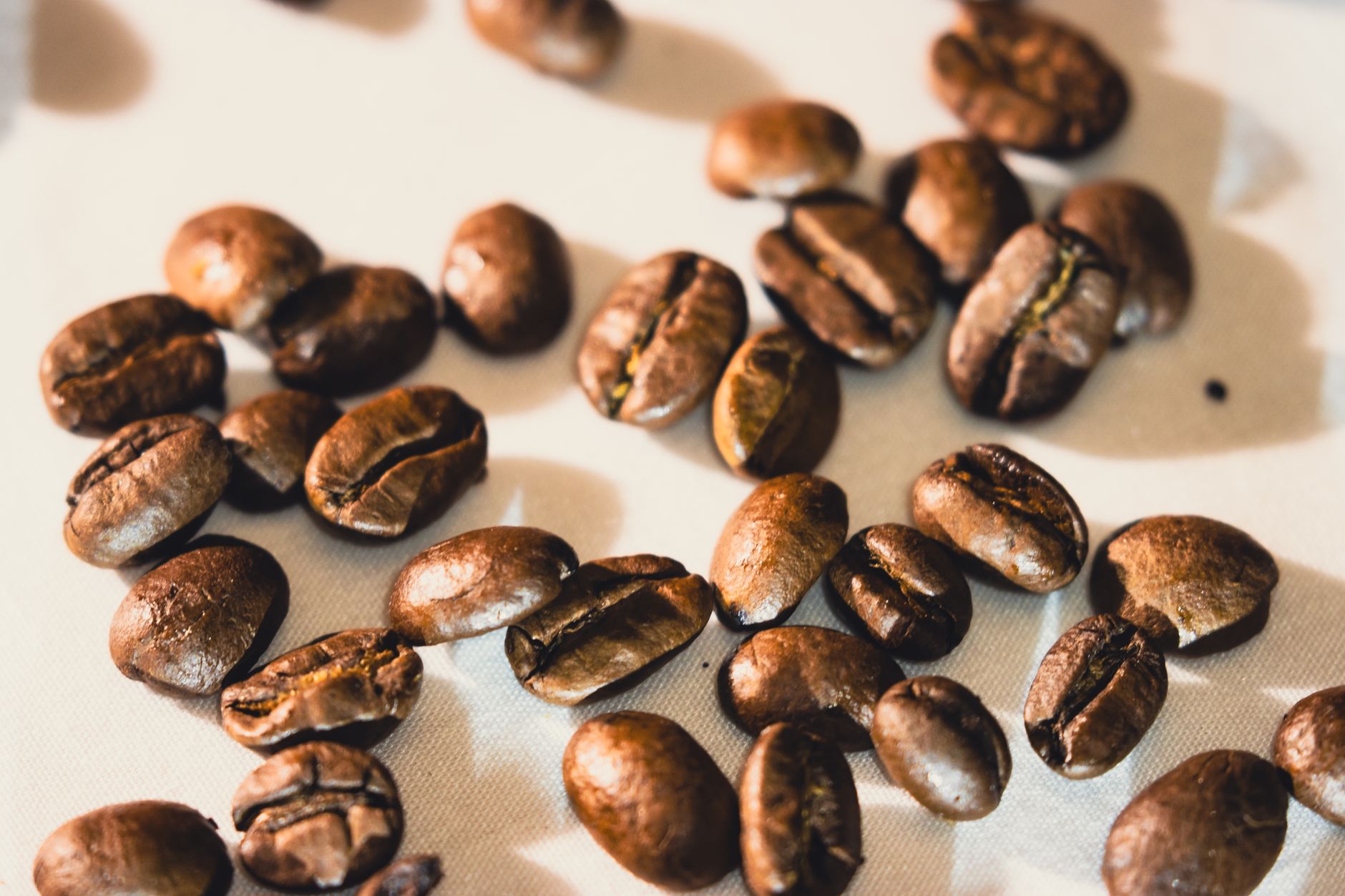
Caffeine content in coffee is a popular topic among coffee enthusiasts and newcomers alike. One common question arises when comparing light roasts and dark roasts: which has more caffeine? Understanding this can influence your coffee choices based on flavor preferences and caffeine needs.
This article offers a comprehensive look at how roasting affects caffeine levels, helping you decide which coffee roast type best suits your lifestyle. By exploring the facts about light and dark roasts, you can make informed choices for your morning brew.
Does Light or Dark Roast Have More Caffeine?
The caffeine content in coffee is not solely determined by the roast level. In general, light roasts tend to retain slightly more caffeine compared to dark roasts, although the difference is often minimal. Factors such as brewing method, coffee bean type, and grind size also play significant roles in determining caffeine levels.
Understanding Coffee Roasting
Before diving deeper into caffeine content, it’s essential to understand the roasting process. Roasting transforms raw green coffee beans into the aromatic, brown beans we recognize. This process not only affects flavor and aroma but also impacts caffeine levels.
The Roasting Process
- Green Beans: The journey begins with green coffee beans, which are typically dense and contain a specific amount of caffeine.
- First Crack: During roasting, coffee beans experience a phase called the first crack. This phenomenon indicates that the beans are undergoing a physical transformation, expanding and releasing moisture.
- Development Time: After the first crack, roasters can choose to develop the coffee further, yielding either a light or dark roast. The longer the beans are roasted, the more they change in flavor and color.
- Cooling: Once the desired roast level is achieved, the beans are rapidly cooled to halt the roasting process.
Caffeine Content in Light vs. Dark Roast
Both light and dark roasts contain caffeine, but they do so at different levels due to their roasting times and temperatures. While the differences might not be as pronounced as some might think, understanding the factors involved can illuminate your options.
Light Roast and Caffeine
Light roasts are roasted for a shorter time, leading to more caffeine retention. One key reason is that the beans have not lost as much mass during the roasting process. On average, a standard 8-ounce cup of light roast coffee contains approximately 170-200 mg of caffeine.
Dark Roast and Caffeine
Dark roasts are exposed to higher temperatures and roasted for a longer duration, resulting in a slight decrease in caffeine content. Therefore, an 8-ounce cup of dark roast typically contains around 140-170 mg of caffeine. The longer roasting process causes the structure of the beans to break down, slightly reducing the caffeine content.
Brewing Methods and Caffeine Levels
The brewing method can have a significant effect on the amount of caffeine extracted from coffee grounds. Here are common brewing methods and how they influence caffeine levels.
Drip Coffee
Drip coffee makers are one of the most popular brewing methods. In this method, hot water passes through coffee grounds, extracting flavors and caffeine. Generally, this method yields a moderate level of caffeine, making it an excellent option for a well-rounded coffee experience.
French Press
French press coffee typically has a higher caffeine content per ounce, as the grounds are steeped in water for several minutes, allowing for maximum extraction. This method is ideal for coffee lovers seeking bolder flavors and richer caffeine infusions.
Espresso
While a single shot of espresso contains less caffeine than a typical cup of brewed coffee (approximately 63 mg), it can be consumed quickly, leading to a strong caffeine kick. The choice of light or dark roast espresso beans can also impact the overall taste and caffeine experience.
Cold Brew
Cold brew coffee employs a longer steeping time, often making it one of the highest caffeine options. Because it is made with a higher coffee-to-water ratio, cold brew coffee can contain significantly more caffeine than a traditional cup of coffee, regardless of roast. This method is perfect for those seeking an extra boost.
Impact of Grind Size on Caffeine Extraction
Beyond roasting and brewing methods, the grind size of coffee beans also influences caffeine extraction. Fine grinds tend to yield higher caffeine content in a shorter brew time, while coarse grinds may result in a milder, less caffeinated drink.
How Grinding Affects Flavor and Caffeine
When beans are ground finely, they create more surface area, promoting better extraction of flavors, oils, and caffeine. Conversely, coarsely ground beans may require a longer brewing time to extract sufficient caffeine. In essence, the choice of grind size can significantly impact both flavor and caffeine levels.
Flavor Profiles of Light and Dark Roasts
Aside from caffeine content, light and dark roasts differ notably in flavor and aroma. Understanding these differences can enhance your coffee-drinking experience.
Light Roast Flavor Profile
Light roasts are known for their bright, vibrant flavors and often showcase the unique characteristics of the coffee bean’s origin. They typically possess fruity, floral, and acidic notes, revealing the natural complexities of the beans.
Dark Roast Flavor Profile
Dark roasts, on the other hand, have a bold, robust flavor with often smoky or bitter undertones. The longer roasting time eliminates some of the bean’s original flavors, leading to a more uniform taste that is pleasing to many coffee drinkers who prefer a strong brew.
Choosing the Right Roast for You
When selecting coffee, personal preference plays a significant role. Here are some tips to help you decide between light and dark roasts based on flavor and caffeine needs.
Choose Light Roast If You Prefer:
- Bright, fruity flavors
- More caffeine retention
- A lighter-bodied coffee
Choose Dark Roast If You Prefer:
- Rich, robust flavors
- A bolder, fuller-bodied coffee
- A smoother, less acidic taste
Common Misconceptions About Caffeine and Roasts
There are several misconceptions surrounding caffeine levels in light versus dark roast coffee. Addressing these myths can lead to clearer expectations and choices.
Myth 1: Dark Roast Has No Caffeine
This myth arises from the belief that dark roasts have significantly less caffeine than light roasts. While dark roasts generally contain slightly less caffeine, they still provide a substantial amount.
Myth 2: The Darker the Roast, the Stronger the Coffee
Many associate darkness with intensity; however, strength is a subjective measure. The flavor strength varies and does not strictly correlate with caffeine levels.
Myth 3: All Light Roasts Will Keep You Awake
The effects of coffee vary based on individual tolerance to caffeine. While light roasts may have slightly more caffeine on average, it’s essential to consider factors such as personal caffeine sensitivity and overall consumption.
Practical Tips for Coffee Preparation
Once you understand the nuances of caffeine in light and dark roasts, you can better prepare your coffee to enhance flavor and enjoyment. Here are a few practical tips for brewing:
Use Fresh Coffee Beans
For the best flavor and caffeine extraction, always use fresh, high-quality coffee beans. Buy whole beans and grind them just before brewing for optimal taste.
Experiment with Brew Times
Trial and error will help you find the perfect brew time for your desired strength. Keep notes on timing, grinding size, and roasting level to refine your process.
Store Coffee Properly
To maintain flavor and freshness, store your coffee beans in an airtight container in a cool, dark place. Avoid exposure to moisture, sunlight, and odors.
Final Thoughts on Caffeine Content
Ultimately, both light and dark roasts have their benefits, including unique flavors and varying caffeine levels. Understanding the characteristics of each roast will help you choose the perfect coffee for your needs and preferences.
Edit your coffee routine by trying different roasts, brewing methods, and grind sizes to discover a blend that aligns with your taste and caffeine requirements. In this vast world of coffee, experimentation leads to the most rewarding experiences.
For more coffee-related recipes, check out our delicious Dalgona Candy Recipe or learn how to create a sweet addition to your morning beverage with Coffee Syrup Recipe.