
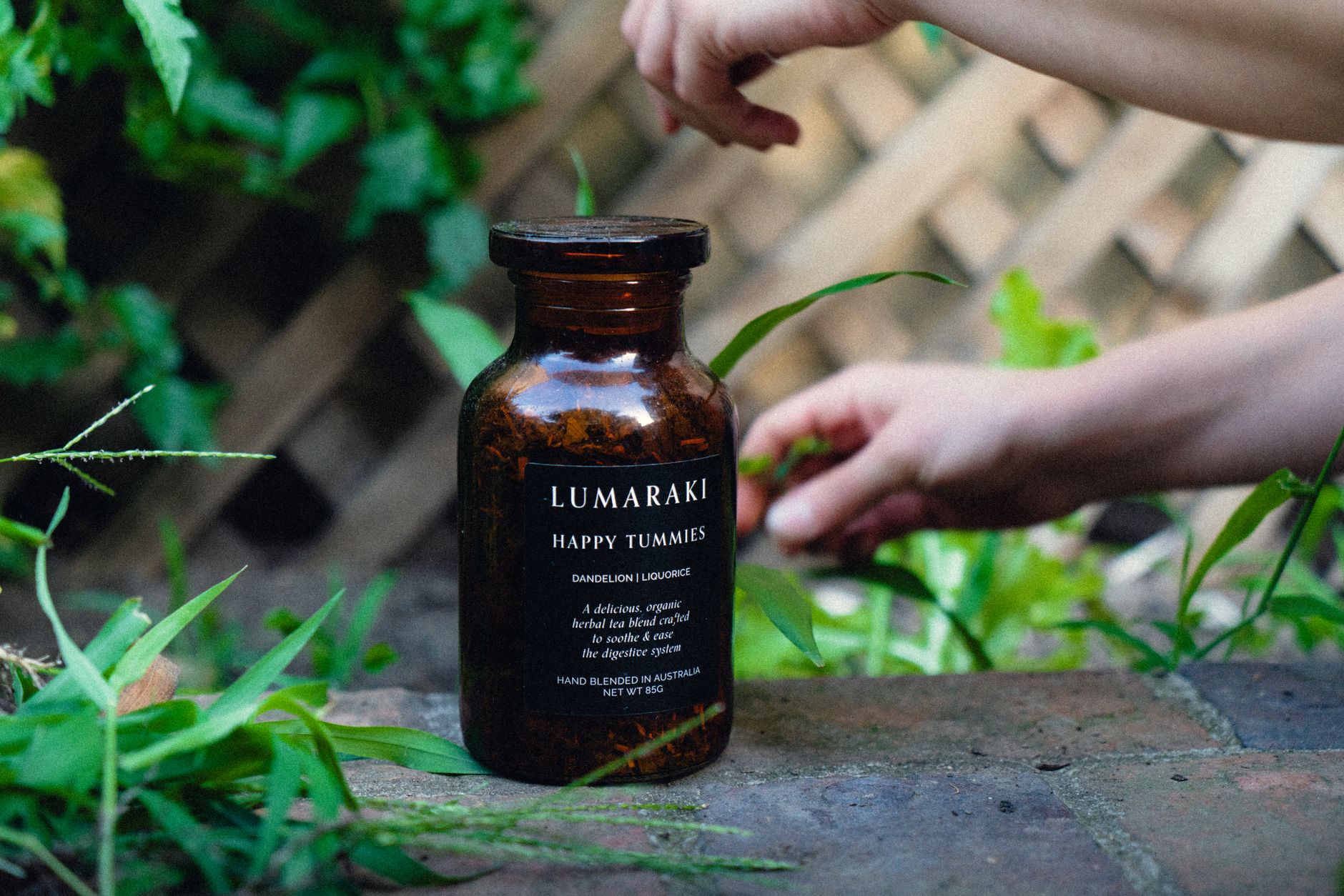
Constipation can be an uncomfortable and frustrating experience, and many individuals seek natural remedies to alleviate the discomfort associated with it. Tea, enjoyed worldwide for its soothing properties, may offer relief for those suffering from constipation. This article delves into the types of tea that may help mitigate constipation, their ingredients, and dietary considerations.
Tea has long been praised for its health benefits, including aiding digestion. While some teas can act as gentle laxatives or promote better gut health, others might treat underlying causes of constipation. Understanding which teas to incorporate into your diet can be beneficial, as well as recognizing additional dietary approaches to support digestive health.
Can Tea Help with Constipation?
Yes, certain types of tea can help alleviate constipation symptoms. Ingredients such as herbal components or specific teas can stimulate digestion, promote bowel movements, and soften stool. This article highlights various teas that may be helpful and how to use them effectively.
Types of Tea That May Alleviate Constipation
Different kinds of tea cater to various health needs, and several have been associated with relief from constipation. Below are some noteworthy options:
1. Peppermint Tea
Peppermint tea is known for its soothing properties, making it a popular choice for digestive issues. The menthol in peppermint can relax the muscles of the gastrointestinal tract, which may aid in reducing bloating and discomfort often associated with constipation.
2. Ginger Tea
Ginger tea not only has anti-inflammatory properties but also stimulates digestion. Ginger can promote gastrointestinal motility, allowing for a smoother passage of stool through the intestines.
3. Dandelion Tea
Dandelion tea acts as a mild diuretic and can stimulate appetite, aiding digestion and promoting regular bowel movements. Rich in fiber, it helps in managing constipation naturally.
4. Senna Tea
Senna is commonly used as a natural laxative, and its tea form is no exception. Senna tea can stimulate the bowel, leading to increased contractions and facilitating relief from constipation. However, it should be used sparingly due to its potency.
5. Clove Tea
Clove tea is not as widely known but offers digestive benefits, including aiding in the relief of constipation. Cloves contain eugenol, which has been shown to improve digestive health.
How Tea Works to Relieve Constipation
Understanding the mechanisms behind how tea can relieve constipation involves examining its active components. Several factors contribute to the effectiveness of tea in this regard:
- Hydration: Tea contributes to overall hydration, which is crucial for maintaining regular bowel movements.
- Digestive Stimulants: Ingredients like ginger and senna can stimulate peristalsis (the contractions that push food through the digestive tract).
- Fiber Content: Herbal teas with higher fiber content contribute to stool bulk, making it easier to pass.
- Relaxation of Muscles: Ingredients such as peppermint can relax GI tract muscles, alleviating cramps associated with constipation.
Preparing Tea for Constipation Relief
Brewing tea is quite simple, but ensuring you prepare it correctly is crucial for extracting beneficial properties:
Ingredients Needed
- Loose leaf tea or tea bags of your choice (peppermint, ginger, dandelion, senna, or cloves)
- Water
- Optional: honey, lemon juice, or cinnamon for flavor
Essential Equipment
- Kettle or pot for boiling water
- Teapot or mug for steeping
- Strainer if using loose leaf tea
Step-by-Step Brewing Process
- Boil water in a kettle or pot. The amount depends on the servings desired.
- Place the tea bag or loose tea in a teapot or mug.
- Pour the hot water over the tea.
- Allow the tea to steep for 5 to 10 minutes, depending on the type.
- Remove the tea bag or strain loose tea leaves.
- If desired, add honey, lemon, or cinnamon for additional flavor.
- Enjoy your tea warm for maximum soothing effect.
Substitutions and Variations
If you have specific preferences or dietary restrictions, consider these substitutions and variations:
- For caffeine-free options, focus on herbal teas such as peppermint, dandelion, or ginger.
- If you dislike one type of tea, alternatives like chamomile or fennel may offer similar digestive benefits.
- Add freshly grated ginger instead of ginger tea for a stronger flavor.
- You can mix different teas, such as combining peppermint and ginger, for a unique flavor profile.
Potential Risks and Considerations
While tea can help with constipation, there are some considerations to keep in mind:
- Senna tea should be used sparingly, as excessive consumption may lead to dehydration or dependency for bowel movements.
- Herbal ingredients can interact with medications; consult with a healthcare provider if you are on medication.
- Some people may experience allergic reactions to specific herbs; monitor your body’s response.
- Avoid too many caffeine-containing teas, as they can lead to dehydration, exacerbating constipation.
Complementary Dietary Strategies
In addition to incorporating tea into your routine, consider these dietary strategies for managing constipation:
- Fiber-Rich Foods: Include whole grains, fruits, and vegetables to increase daily fiber intake.
- Hydration: Ensure adequate fluid intake daily, aiming for water and herbal tea.
- Regular Meals: Maintain a consistent eating schedule to signal the body’s digestive rhythms.
- Probiotics: Incorporate fermented foods like yogurt or sauerkraut to support gut health.
- Avoid Processed Foods: Minimize consumption of highly processed foods that can slow digestion.
Common Mistakes to Avoid
When using tea for constipation relief, avoid these common pitfalls:
- Drinking tea too close to bedtime may disrupt sleep due to frequent bathroom trips, especially with diuretic teas.
- Over-reliance on laxative teas can lead to dependency and worsen constipation over time.
- Failing to combine tea with a balanced diet might limit the effectiveness of herbal remedies.
Make-Ahead Guidance
If you prefer to prepare your teas in advance:
- Batch brew peppermint or ginger tea and store it in the refrigerator. Reheat as needed.
- Infuse dandelion or clove tea in larger quantities, ensuring it’s stored in an airtight container.
- While freshly brewed offers the best flavor, making ahead can save time during busy days.
Storage and Reheating
Tea is best enjoyed fresh, but if you need to store it:
- Store leftover tea in the refrigerator for up to 3 days.
- Reheat brewed tea gently on the stovetop or in a microwave. Avoid boiling to preserve flavor.
- Do not reheat multiple times, as this can degrade the quality and nutrients in the tea.
Explore Other Herbal Remedies
Tea is not the only herbal option to consider when dealing with constipation. Other remedies that may help include:
- Adding ground flaxseeds to smoothies or oatmeal to boost fiber intake.
- Consuming warm lemon water first thing in the morning to stimulate digestion.
- Incorporating aloe vera juice, known for its mild laxative properties but consuming cautiously.
Additional Resources and Recipes
For those interested in exploring herbal teas further, you might find these recipes useful:
- Clove Tea Recipe – Discover how to make a soothing clove tea.
- Dandelion Tea Recipe – Learn to prepare dandelion tea for its digestive benefits.
Incorporating tea into your routine could offer a comforting and effective response to constipation, supporting your overall digestive health. For the best results, combine tea with a balanced diet, adequate hydration, and healthy lifestyle habits.
Explore related recipes, cooking tips, and food guides to enhance your culinary adventures and nourish your body naturally.