
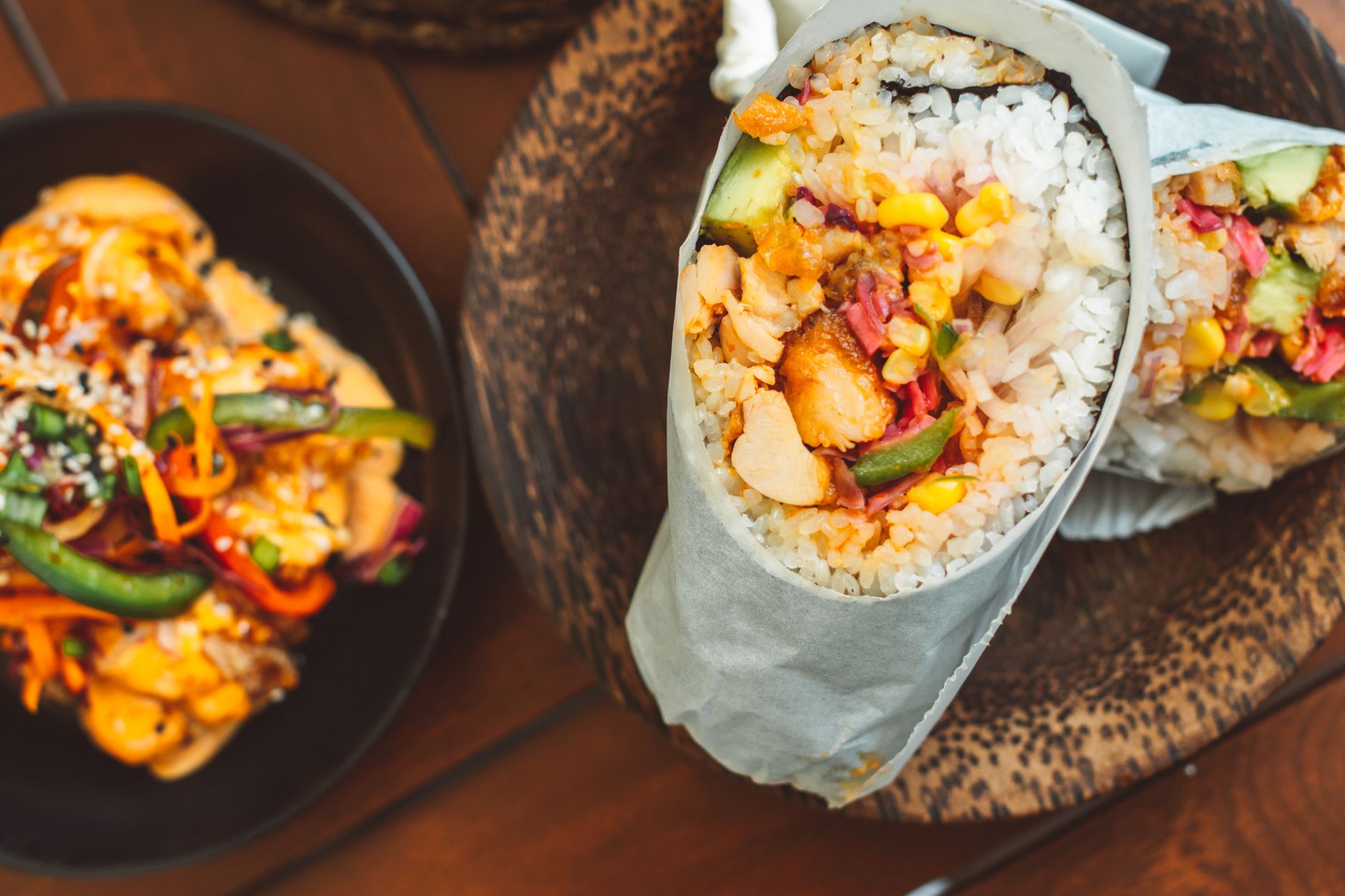
Burritos are a popular and delicious option for many people, often enjoyed for lunch or dinner. These wrapped delights offer a flavorful combination of ingredients, making them both satisfying and easy to customize. However, if you’re counting calories or trying to maintain a balanced diet, you might wonder just how many calories a burrito actually contains.
This article will explore the calorie content of burritos, breaking down various types and ingredients to help you understand what you’re consuming. By learning how to evaluate burrito calories, you’ll be better equipped to make informed choices about your meals.
How Many Calories Does a Burrito Have?
The calorie content of a burrito can vary significantly based on its size, ingredients, and preparation style. On average, a standard beef or chicken burrito can contain anywhere from 300 to 1,000 calories per serving. The exact number will depend on the specific ingredients used and the portion size.
Factors Influencing Burrito Calorie Count
Several factors can affect the calorie count of a burrito. Here are some of the main considerations to keep in mind:
- Ingredients: The type of protein, beans, rice, cheese, and sauces used can all contribute to the overall calorie count. For example, using high-fat meats or creamy sauces will increase the calorie total.
- Portion Size: The size of the burrito itself plays a crucial role. A larger burrito will naturally contain more calories.
- Toppings: Additional toppings like sour cream, guacamole, and cheese can add hundreds of calories to your burrito.
- Preparation Method: Grilled or fried burritos may have a higher calorie count than those made with fresh ingredients and minimal oil.
- Dietary Preferences: Vegetarian or vegan burritos may have a different calorie count compared to those containing meat, depending on the ingredients chosen.
Caloric Breakdown by Ingredients
To gain a better understanding, let’s break down the calorie content based on common burrito ingredients:
1. Tortilla
A standard flour tortilla (10-inch) can contain approximately 200 calories, while a whole wheat tortilla might have around 150-180 calories. Corn tortillas are generally lower in calories, averaging about 70-100 calories for one medium-sized tortilla.
2. Proteins
Proteins are a significant contributor to the calorie count. Here are common options:
- Chicken: About 100-150 calories per serving (3 oz).
- Beef: Approximately 250-300 calories per serving (3 oz).
- Pork: Roughly 250-300 calories per serving (3 oz).
- Beans (black or pinto): Around 70-120 calories per serving (1/2 cup).
- Tofu: About 80-100 calories per serving (3 oz).
3. Rice
Rice is a common filler in burritos. The calorie content can vary:
- White rice: Approximately 170 calories per 1/2 cup serving.
- Brown rice: Roughly 110 calories per 1/2 cup serving.
- Cauliflower rice: Only about 25 calories per 1/2 cup serving, making it a low-calorie alternative.
4. Cheese
Cheese can add creaminess and flavor, but it also increases calories:
- Cheddar cheese: About 110 calories per ounce.
- Mexican blend cheese: Roughly 100 calories per ounce.
- Feta cheese: Approximately 75 calories per ounce.
5. Sauces and Toppings
Adding sauces or toppings can significantly change the caloric content of a burrito:
- Sour cream: About 60 calories for a 2-tablespoon serving.
- Guacamole: Roughly 100 calories for a 2-tablespoon serving.
- Salsa: Around 10-20 calories for a 2-tablespoon serving.
- Hot sauce: Generally negligible calories, depending on the brand.
Example Calorie Content of Common Burrito Types
Now that we’ve broken down individual components, let’s look at the estimated calorie counts for popular burrito types based on common ingredients:
1. Bean and Cheese Burrito
This vegetarian option typically includes a flour tortilla, refried beans, and cheese. Average calorie content:
- Flour tortilla: 200 calories
- Refried beans (1/2 cup): 100 calories
- Cheese (1 oz): 110 calories
Total: Approximately 410 calories.
2. Chicken Burrito
A chicken burrito generally contains chicken, rice, beans, cheese, and various toppings:
- Flour tortilla: 200 calories
- Chicken (3 oz): 150 calories
- Rice (1/2 cup): 170 calories
- Black beans (1/2 cup): 120 calories
- Cheese (1 oz): 110 calories
- Sour cream (2 tbsp): 60 calories
- Guacamole (2 tbsp): 100 calories
Total: Approximately 1,010 calories.
3. Steak Burrito
This hearty option often includes steak, rice, beans, cheese, and sauces:
- Flour tortilla: 200 calories
- Steak (3 oz): 300 calories
- Rice (1/2 cup): 170 calories
- Black beans (1/2 cup): 120 calories
- Cheese (1 oz): 110 calories
- Sour cream (2 tbsp): 60 calories
Total: Approximately 1,060 calories.
4. Shrimp Burrito
This seafood option typically offers a different flavor profile:
- Flour tortilla: 200 calories
- Shrimp (3 oz): 120 calories
- Rice (1/2 cup): 170 calories
- Black beans (1/2 cup): 120 calories
- Cheese (1 oz): 110 calories
- Sour cream (2 tbsp): 60 calories
Total: Approximately 780 calories.
Strategies for Reducing Burrito Calories
If you’re looking to enjoy a burrito while keeping calories in check, consider these practical strategies:
- Choose Smaller Portions: Opt for a smaller-sized burrito or consider ordering a burrito bowl.
- Select Whole Grains: Whole wheat tortillas tend to be lower in calories than standard flour tortillas.
- Be Mindful of Sauces: Limit high-calorie toppings like sour cream and guacamole; opt for salsa or hot sauce instead.
- Make Smart Protein Choices: Choose lean proteins, like chicken or shrimp, and consider skipping or reducing the amount of cheese.
- Add More Vegetables: Increasing the amount of vegetables in your burrito boosts fiber and nutrients, helping you feel fuller without significantly increasing calorie counts.
Healthy Burrito Options
For those seeking healthier burrito options, consider trying these variations:
- Vegetarian Burrito: Fill with beans, quinoa, brown rice, and various vegetables to create a nutrient-dense meal.
- Fish Burrito: Use grilled fish like salmon or tilapia in place of heavier meats.
- Bowl instead of Burrito: Create a burrito bowl with similar ingredients, allowing you to control portion sizes.
How to Assemble a Burrito for Lower Calories
If you want to make your own burrito at home, here’s a basic guide to assembling a healthy burrito that keeps calorie counts in mind:
Ingredients
- Whole wheat tortilla
- 3 oz grilled chicken or shrimp
- 1/2 cup brown rice or cauliflower rice
- 1/2 cup black beans
- 1/4 cup mixed vegetables (bell peppers, onions, etc.)
- 1 oz cheese (optional)
- 2 tbsp salsa
Method
- Warm the tortilla in a pan or microwave until pliable.
- Layer the ingredients evenly in the center of the tortilla, starting with the rice, followed by the protein, beans, and vegetables.
- If using cheese, sprinkle it on top.
- Add salsa for flavor and moisture.
- Fold the sides of the tortilla inwards, then roll from the bottom to enclose the filling tightly.
- Consider grilling the burrito on a skillet for a crispy texture.
Storing and Reheating Burritos
If you make burritos in advance, proper storage is crucial to ensuring quality and safety:
- Storing: Wrap burritos tightly in foil or plastic wrap and place in an airtight container to keep them fresh. Store in the refrigerator for up to 3 days, or freeze for longer storage, up to 3 months.
- Reheating: To reheat, remove the foil if frozen and place it in the microwave for about 1-2 minutes until heated through. If refrigerated, 30 seconds to 1 minute should suffice. For a crispy exterior, consider reheating in a skillet over medium heat for several minutes on each side.
Conclusion
For delicious burrito recipes, consider trying our steak burrito recipe or shrimp burrito recipe for exciting yet nutritious takes on this classic dish. Explore other cooking tips and food guides to enhance your culinary experience.