
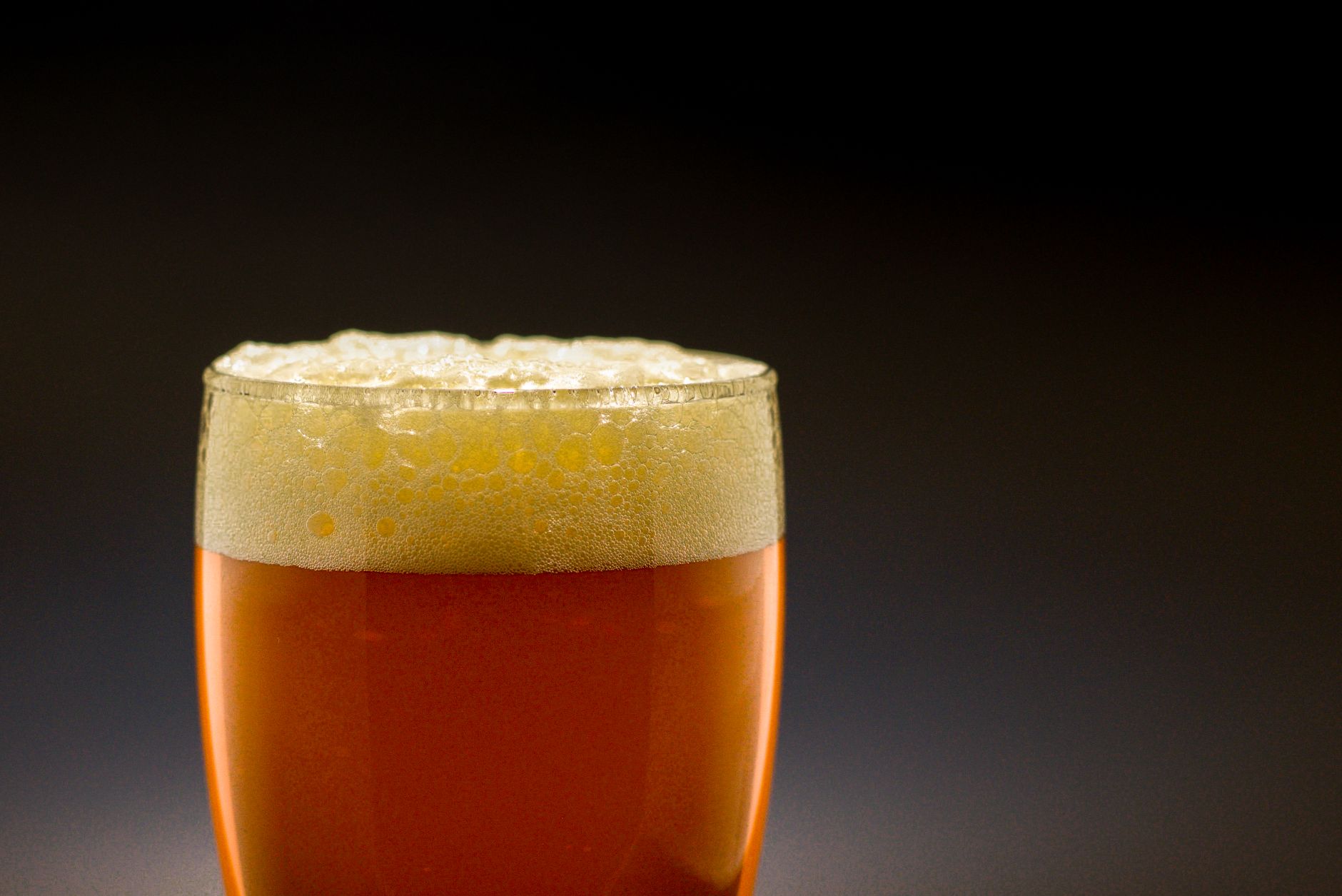
Beer is a popular beverage consumed worldwide, loved for its diverse flavors and styles. Many enthusiasts often wonder about its composition, particularly its acidity. Understanding whether beer is acidic can play a role in food pairings, cooking techniques, and health considerations. This article will delve into the acidity of beer, its impact on taste, and practical uses in cooking and entertaining.
We will explore the factors influencing beer’s acidity, how it compares to other beverages, and offer insights into how to incorporate beer into your culinary adventures.
Is Beer Acidic?
Yes, beer is indeed acidic, albeit to varying degrees depending on the style and ingredients used. The typical pH level of beer ranges from about 4.0 to 5.0, which places it on the acidic side of the pH scale. Acidic characteristics can enhance flavors and contribute to the overall sensory experience of beer.
Understanding the Acidity in Beer
The acidity in beer comes from various organic acids, with the most common being:
- Lactic Acid – Contributes a mild tartness, often found in sour beer styles.
- Carbonic Acid – Formed from the carbonation process, gives beer its refreshing quality.
- Malic Acid – Found in certain malts, adding to fruity notes.
- Acetic Acid – Created during fermentation, particularly in sour beers, contributing a vinegar-like taste.
Factors Influencing Beer Acidity
Several factors can influence the acidity in beer:
- Ingredients: The type of malt, hops, and yeast used affects the sourness level.
- Brewing Process: Techniques like sour mashing or adding lactic acid bacteria can increase acidity.
- Beer Style: Styles such as Berliner Weisse and Gose are known for their higher acidity compared to IPAs or stouts.
Comparative Analysis: Beer vs. Other Beverages
When considering acidity, beer’s pH levels can be compared with those of other popular beverages:
| Beverage | pH Level | Acidity |
|---|---|---|
| Beer | 4.0 – 5.0 | Moderately Acidic |
| Coffee | 4.5 – 6.0 | Moderately Acidic |
| White Wine | 3.0 – 4.0 | Highly Acidic |
| Orange Juice | 3.0 – 4.0 | Highly Acidic |
| Soft Drinks | 2.5 – 4.0 | Highly Acidic |
Practical Uses of Beer in Cooking
Beer’s acidity can enhance the flavors of dishes, making it a valuable ingredient in many recipes. Here are some practical uses of beer in cooking:
Tenderizing Meat
The acidity in beer can help break down tough meat fibers, making it an excellent marinade component. The carbonation can also create a light, crisp texture when used in batters for frying.
Flavoring Sauces and Stews
Beer adds depth and complexity to sauces and stews. It can replace stock or broth to impart a unique flavor. Dark beers like stouts are particularly effective in braised dishes.
Baking with Beer
Using beer in baking can result in lighter and fluffier baked goods. For example, incorporating beer into bread or muffin recipes affects gluten development and creates a distinct flavor profile.
Using Beer in Recipes
To illustrate the versatility of beer in cooking, consider this simple beer can chicken recipe that showcases its flavor-enhancing properties:
Beer Can Chicken Recipe
This recipe yields a flavorful, juicy, and tender chicken with a crispy skin, perfect for any occasion.
Servings: 4-6
Preparation Time: 10 minutes
Cooking Time: 1 hour 15 minutes
Total Time: 1 hour 25 minutes
Ingredients
- 1 whole chicken (about 4-5 pounds)
- 1 can of beer (lager or pale ale works well)
- 2 tablespoons olive oil
- 2 tablespoons dry rub seasoning (store-bought or homemade)
- Salt and pepper, to taste
Essential Equipment
- Grill
- Beer can holder (optional)
- Tongs
- Thermometer
Method
- Preheat the grill to medium heat (about 350°F).
- Pat the chicken dry with paper towels and rub the olive oil all over it.
- Season the chicken generously with the dry rub, salt, and pepper, ensuring to coat the inside cavity as well.
- Open the can of beer and drink a few sips (or pour some out), then carefully place the can inside the chicken cavity.
- Position the chicken upright on the grill using a beer can holder or simply standing on the beer can.
- Close the grill lid and cook the chicken for about 1 hour and 15 minutes, or until the internal temperature reaches 165°F.
- Remove the chicken from the grill using tongs, being careful not to spill the hot beer. Let it rest for about 10 minutes before carving.
How Beer Affects Flavor and Texture
When using beer in cooking, be aware of how it affects flavor and texture. Different styles of beer can yield distinct results:
- Lager: Mild and balanced, suitable for light dishes.
- Amber Ale: Offers a maltier flavor, great for marinades.
- Stout: Roasty and bold, ideal for rich stews or desserts.
Common Mistakes When Cooking with Beer
While cooking with beer can elevate your dishes, there are some common mistakes to avoid:
- Using overly hoppy beers that can overpower the dish.
- Not accounting for the sweetness of certain beer styles in savory recipes.
- Assuming all beers can be used interchangeably without considering taste profiles.
Serving Beer with Food
When pairing beer with food, consider the acidity level as it affects how flavors complement each other. Here are some tips for serving beer with meals:
- Fried Foods: Pair with a crisp lager to cut through the fat.
- Rich Meat Dishes: Opt for a stout or porter to enhance the dish’s depth.
- Spicy Foods: Complement with a fruity beer like a wheat beer to balance the heat.
Beer Storage and Serving Temperature
Proper storage and serving temperature are essential for enjoying the best flavor from beer:
- Storage: Store beer upright in a cool, dark place to prevent light from affecting flavor.
- Serving Temperature: Ideally, lagers and pilsners should be served cold (40-50°F), while ales and stouts can be served slightly warmer (50-55°F).
Beer and Health
The acidity in beer plays a role in the overall health impact of consumption. Moderate beer consumption can be part of a balanced diet, but it’s essential to drink responsibly. Some people may be sensitive to acidic beverages, experiencing discomfort, so it’s crucial to listen to your body.
Conclusion
Beer is a versatile, flavorful beverage that adds a unique twist to both drinks and dishes. Its acidity enhances flavor profiles and can elevate your culinary creations. By understanding the different styles and their effects, you can use beer effectively in your cooking, whether marinating meats, baking, or enhancing sauces. Start experimenting with beer in your kitchen, and discover exciting new flavor combinations!
For more delicious ideas, check out our Beer Can Chicken Recipe and other exciting cooking tips. Explore the flavors beer can bring to your meals and enjoy the journey of culinary discovery.