
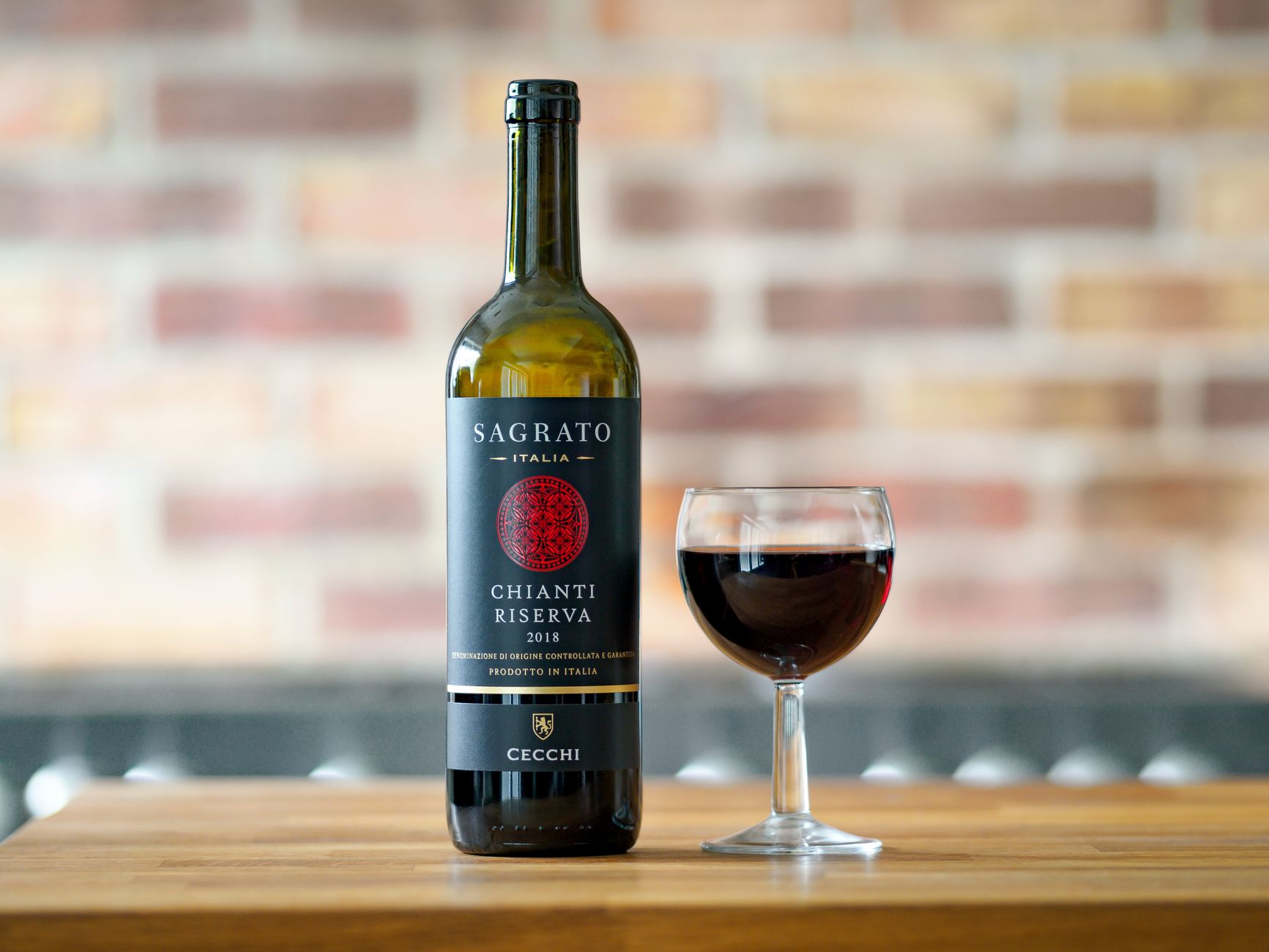
Chianti is a renowned red wine from Italy that often garners curiosity regarding its sweetness. Many wine enthusiasts and casual drinkers wonder whether the wine’s flavor profile leans towards sweet or dry. Understanding whether Chianti is sweet is essential for selecting appropriate food pairings and enhancing your overall dining experience.
This article delves into the characteristics of Chianti, exploring its flavor, texture, and ideal serving suggestions. Whether you’re new to wine tasting or looking to refine your palate, this guide will help you appreciate Chianti better.
Is Chianti Sweet?
Chianti is typically classified as a dry wine, which means it has little to no residual sugar. On the sweetness spectrum, Chianti leans towards being dry rather than sweet, with some fruit notes that can lend a perception of sweetness. This wine is predominantly made with Sangiovese grapes, which contribute to its characteristic flavors.
Understanding Chianti’s Flavor Profile
The unique flavor profile of Chianti is what makes it distinct and beloved by many wine drinkers. The primary components that define the flavor of Chianti include:
- Fruits: Chianti typically has notes of cherry, plum, and strawberry. While these fruits can evoke a sense of sweetness, the overall expression is balanced by acidity and tannins.
- Herbal Notes: Many Chiantis present herbal undertones, such as thyme or rosemary, which enhance its complexity.
- Oak Aging: Some Chiantis are aged in oak barrels, which can impart flavors of vanilla, spice, and toasted wood. This aging process can add to the wine’s richness without making it sweet.
- Acidity: Chianti is known for its bright acidity that provides freshness and helps to balance the fruit flavors, making it a versatile choice for food pairings.
Texture and Body of Chianti
Chianti is generally medium-bodied, which contributes to its drinkability. The texture can vary slightly based on the winemaking technique and the aging process. Here are key aspects of its texture:
- Tannins: Chianti is characterized by moderate to high tannin levels, which provide structure and a slight astringency. This can enhance the perception of dryness.
- Mouthfeel: The wine’s acidity gives it a crisp mouthfeel, highlighting its refreshing qualities.
- Balance: The interplay of fruit, acidity, and tannins results in a harmonious balance, making Chianti enjoyable on its own or when paired with various dishes.
Types of Chianti
Chianti is not a monolithic wine; various styles exist that can influence the sweetness level and overall taste. Here are the main categories:
- Chianti DOCG: The most common and widely produced variety, it adheres to strict regulations that require a certain percentage of Sangiovese grapes.
- Chianti Classico: This subset of Chianti comes from the traditional heartland of the region and often exhibits a more refined profile with herbal and earthier notes.
- Riserva: Aged longer than standard Chianti, Riserva wines typically have more pronounced flavors and complexity due to extended aging.
Serving Chianti: Temperature and Glassware
Serving Chianti at the right temperature and in the appropriate vessels can significantly enhance your tasting experience. Here’s how to serve it effectively:
Ideal Serving Temperature
The ideal temperature for serving Chianti is around 60°F to 65°F (15°C to 18°C). Serving the wine too cold can mute its flavors, while serving it too warm can intensify tannins.
Glasses
Use standard red wine glasses with a wide bowl to allow the wine to breathe. This also helps you appreciate the aromas and flavors better.
Food Pairings with Chianti
Chianti’s flavor profile offers a wide range of pairing possibilities. When selecting dishes to accompany Chianti, consider meals that match its acidity and tannic structure:
Meats
Chianti pairs beautifully with various meats:
- Red Meat: Grilled lamb, steak, and beef dishes complement the wine’s tannins.
- Pork: Dishes featuring roasted or braised pork—especially with herb marinades—work well.
- Game: Venison and wild boar are classic pairings due to their rich flavors.
Pastas and Sauces
Chianti shines with Italian pasta dishes:
- Tomato-Based Sauces: The acidity of tomato sauce complements Chianti’s own brightness.
- Pesto: Dishes with pesto, especially those containing nuts and Parmesan, can enhance the wine’s herbal notes.
- Rich Cream Sauces: Creamy dishes provide a delightful contrast to the wine’s acidity and tannins.
Cheeses
Chianti also pairs nicely with various cheeses:
- Hard Cheeses: Parmigiano-Reggiano or Pecorino pairs well due to their saltiness and texture.
- Soft Cheeses: Aged Gouda or Brie can offer a creamy counterpoint to the wine’s acidity.
Common Mistakes When Enjoying Chianti
To fully appreciate Chianti, avoid these common mistakes:
- Serving Too Cold: Ensure the wine is at the correct temperature to enhance its flavors.
- Incompatible Pairings: Sweet dishes or highly spicy foods can clash with Chianti’s characteristics.
- Neglecting to Aerate: Allowing Chianti to breathe can help mellow tannins and allow flavors to develop.
Exploring Chianti Beyond the Tradition
As Chianti continues to gain popularity, there are innovative variations worth exploring. Some winemakers are experimenting with different grape blends and aging processes. These variations can introduce unique characteristics and flavors that entice even seasoned wine drinkers.
Modern Chianti Styles
Look out for recent trends that incorporate non-traditional grape varieties or blends along with Sangiovese. These may include:
- Super Tuscan Blends: These often mix international grape varieties, such as Cabernet Sauvignon or Merlot, with Sangiovese to create a bolder profile.
- Organic and Biodynamic Wines: Producers focusing on sustainable practices may offer Chiantis that display unique terroir characteristics.
Storage and Aging Potential
When you acquire a bottle of Chianti, proper storage can enhance its longevity and flavor development. Here are tips on storing and aging Chianti:
Short-term Storage
For short-term storage (up to a year), store Chianti in a cool, dark place away from direct sunlight, preferably on its side to keep the cork moist.
Long-term Aging
Chianti, especially Chianti Classico Riserva, can age well if properly stored. Ideal conditions include:
- A stable temperature between 55°F to 65°F (13°C to 18°C).
- Humidity levels of around 70% to prevent cork drying.
- Avoiding vibrations and temperature fluctuations.
Signs of Aging
With time, a well-stored Chianti may develop complexities and nuances in flavor, moving from primary fruit notes to earthy and tertiary aromas reminiscent of tobacco or leather.
Tips for Hosting a Chianti Tasting
If you’re eager to introduce Chianti to friends and family, hosting a tasting can be an enjoyable way to explore the wine together. Here are some tips to create an engaging tasting experience:
- Select a Range: Choose a selection of Chiantis with varying styles and age to showcase differences.
- Pair Snacks: Offer complementary snacks, such as cured meats, cheeses, and olives, to enhance flavor discussions.
- Provide Information: Share details about each Chianti’s origin, vineyard practices, and tasting notes to enrich the experience.
Conclusion
Chianti is a dry red wine that features delightful fruit and herbal notes, complemented by a balanced structure and acidity. While its flavor may hint at sweetness, Chianti remains predominantly dry, making it an excellent pairing choice for a wide variety of dishes. Whether you’re a seasoned connoisseur or just beginning your wine journey, Chianti offers something to explore and enjoy.
For further exploration of wines and food pairings, you might find interest in these articles: Is Moscato Sweet? and What is a Good Substitute for Rosemary?.