
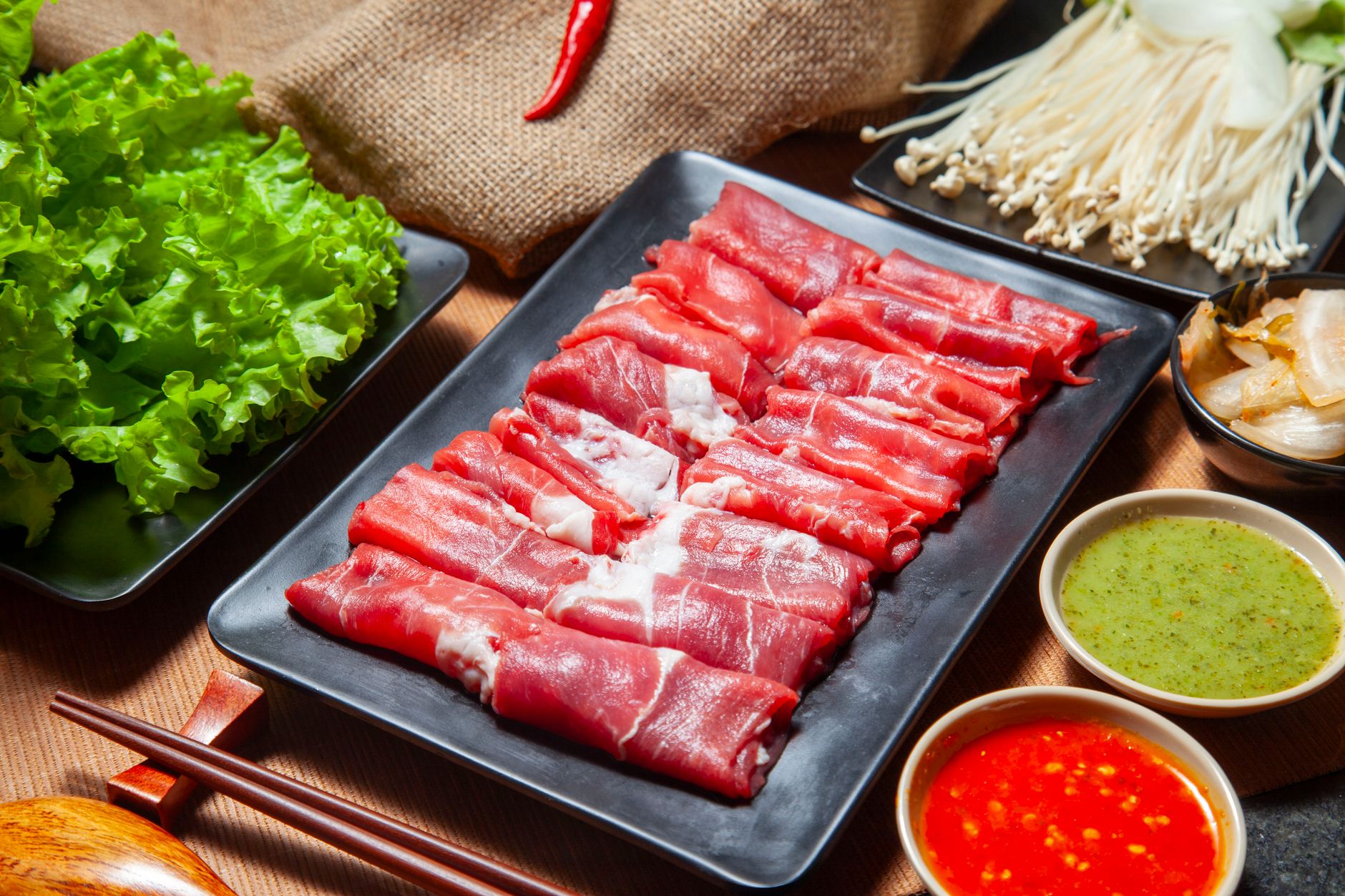
Hot pot is a beloved culinary tradition enjoyed in many cultures, but its roots can be traced back to ancient China. This communal dining experience involves cooking various ingredients in a simmering pot of broth right at the table. In this article, we’ll explore where hot pot originated, its evolution, cultural significance, and the diverse variations that exist today.
The history of hot pot is rich and spans several centuries. From an ancient method of cooking to a modern social experience, hot pot has become a symbol of togetherness, flavors, and tradition around the globe.
Where Did Hot Pot Originate?
Hot pot originated in China over a thousand years ago, during the Jin dynasty (1115–1234). It was a simple and practical way for people to cook and share meals. As time progressed, hot pot gained popularity, bringing regional adaptations and flavors that vary across the country.
The Historical Context of Hot Pot
The concept of hot pot dates back to the nomadic tribes of Mongolia, where meat was boiled in a pot over an open fire. The Chinese adopted this method of cooking and adapted it further, leading to the creation of the modern hot pot. It became a popular dish during the Tang dynasty (618–907), when people enjoyed it not only for its flavor but also for the sense of community it fostered.
By the Ming dynasty (1368–1644), hot pot had evolved into a beloved delicacy in southern China, with variations popping up in different regions. This versatility is part of what has made hot pot a staple of Chinese cuisine.
The Evolution of Hot Pot
As hot pot gained popularity, it began to evolve across regions, leading to the development of distinctive styles:
- Sichuan Hot Pot: Known for its numbing spiciness, Sichuan hot pot incorporates a unique blend of Sichuan peppercorns and chilies. The broth is often a combination of spicy oil and fragrant herbs.
- Cantonese Hot Pot: This style focuses on fresh, high-quality seafood and light broths, made from chicken or pork bones. The emphasis is on the natural flavors of the ingredients.
- Beijing Hot Pot: Also known as Mongolian hot pot, it typically uses a simpler broth and features lamb, which is thinly sliced and cooked quickly.
- Taiwanese Hot Pot: Characterized by a more substantial broth and a wide array of ingredients, Taiwanese hot pot often includes beef, fish, and seasonal vegetables.
The Cultural Significance of Hot Pot
Hot pot is more than just a meal in Chinese culture; it is a symbolic gathering that represents family, friendship, and celebration. Shared dining experiences are highly valued in Chinese culture, where meals often serve as the centerpiece for social interaction.
During significant festivals and celebrations, such as the Lunar New Year, families come together around a hot pot, sharing ingredients that symbolize good fortune and prosperity. The communal aspect of hot pot dining encourages conversation and connection, making it an especially cherished tradition.
Modern Hot Pot Trends
In recent years, hot pot has gained international recognition, leading to a surge of hot pot restaurants around the world. While traditional styles remain popular, many establishments are introducing fusion ingredients and cooking styles, allowing diners to create unique and personalized hot pot experiences.
Vegetarian and vegan options have also emerged, with broth bases ranging from miso to vegetable stock, featuring an array of tofu, mushrooms, and various vegetables. This adaptability caters to diverse dietary preferences while staying true to the spirit of hot pot.
How to Enjoy Hot Pot at Home
If you’re inspired to experience hot pot in the comfort of your home, it is both fun and practical. Here’s a guide to help you create an enjoyable hot pot experience:
Essential Equipment
To get started, you will need:
- Hot pot burner or induction cooktop
- Hot pot or large pot for simmering broth
- Chopsticks or hot pot forks for cooking and serving
- Small bowls for sauces and dipping condiments
- Serving platters for ingredients
Choosing a Broth
The broth serves as the foundation for your hot pot experience. Here are a few popular options:
- Spicy Broth: Use spicy broth as a base, combining chicken or vegetable stock with chili oil, garlic, and Sichuan peppercorns for added complexity.
- Clear Broth: A lighter option, often made with chicken or seafood stock, allows the natural flavors of the ingredients to shine.
- Miso Broth: A nourishing base that combines umami flavors. Simply dissolve miso paste in hot water or stock for a rich flavor.
Selecting Ingredients
Hot pot is versatile when it comes to ingredients; variety is the key. Here are some popular choices:
- Proteins: Thinly sliced meats such as beef, pork, lamb, and chicken. Seafood like shrimp, fish, and scallops are also delicious options.
- Vegetables: Leafy greens, mushrooms, corn, and root vegetables enhance the flavor of the broth. Bok choy, shiitake mushrooms, and zucchini are great choices.
- Noodles: Add noodles towards the end of cooking for a filling element. Rice noodles, udon, and vermicelli work well.
- Dipping Sauces: Prepare a variety of dipping sauces, including soy sauce, sesame oil, chili sauce, and garlic to complement the cooked ingredients.
Cooking Method
Enjoying hot pot is a process, allowing diners to cook their own ingredients. Follow these steps:
- Prepare your broth and bring it to a gentle simmer in the hot pot or large pot.
- Arrange the sliced ingredients on serving platters for easy access.
- Diners use chopsticks or hot pot forks to dip raw ingredients into the simmering broth until cooked through.
- Once cooked, transfer the ingredients to individual bowls and dip them in sauces before enjoying.
- Repeat the process, adding more ingredients as desired. Keep the broth simmering and enjoy fellowship around the table.
Common Mistakes to Avoid
Here are some tips to ensure a smooth hot pot experience:
- Do not overcrowd the pot with too many ingredients at once, as this can lower the broth temperature and lead to uneven cooking.
- Ensure all ingredients are sliced thinly for quick cooking. Thicker pieces will take longer to cook, affecting the dining experience.
- Keep the broth at a consistent simmer. Adjust heat as necessary to maintain optimal cooking temperature.
Storage and Reheating
After the hot pot meal, it is essential to handle leftovers properly:
- Cooked ingredients should be consumed immediately. However, leftovers can be stored in airtight containers in the refrigerator for up to two days.
- When reheating broth, ensure it reaches a rolling boil before consuming. Add any leftover proteins or vegetables back into the broth and heat thoroughly.
Global Variations of Hot Pot
Hot pot has transcended cultural boundaries, inspiring local variations in different countries. Here are a few notable examples:
- Shabu-Shabu (Japan): This Japanese version emphasizes thinly sliced beef quickly swished in boiling water. Traditional condiments include ponzu sauce and sesame sauce.
- Korean Jeongol: A hearty pot that includes a variety of meats, seafood, and vegetables, seasoned with gochujang, giving it a distinct flavor.
- Thai Suki: Featuring a mix of proteins and vegetables, Thai suki uses a flavorful broth with soy sauce and other spices, often served with a spicy dipping sauce.
Conclusion
Hot pot is a celebrated dish with deep historical roots, evolving through time and across cultures. Its communal nature brings people together, making it a delightful dining experience. Whether you’re enjoying a traditional Chinese hot pot or exploring modern adaptations, the essential elements of great flavors and shared moments remain at the core of hot pot dining.
Ready to try hot pot at home? Begin with our delicious hot pot recipe or explore a comforting Taiwanese beef noodle soup to complement your hot pot adventure!