
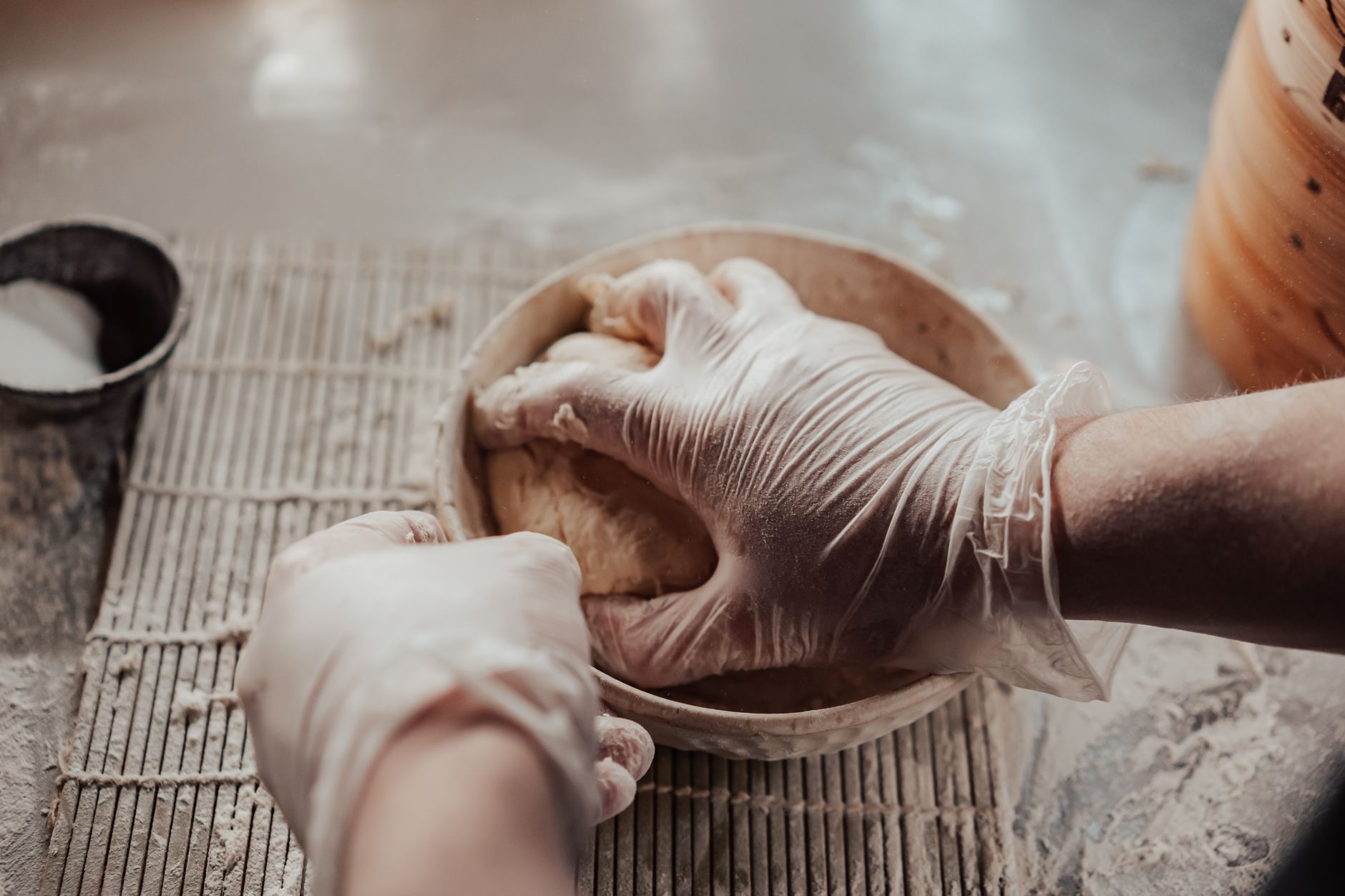
Understanding whether there is gluten in yeast is important for people with gluten sensitivities or celiac disease. Yeast is a primary ingredient in many baked goods and other fermented foods, and knowing its gluten content directly affects dietary choices. This article will clarify the relationship between yeast and gluten, explore the types of yeast available in the culinary world, and offer guidance on how to read labels effectively for those avoiding gluten.
With gluten intolerance on the rise, more cooks and consumers are looking for gluten-free options. This guide answers common questions and provides practical tips, ensuring that you can make informed decisions when it comes to selecting yeast for your culinary needs.
Is There Gluten in Yeast?
The short answer is no; pure yeast does not contain gluten. Yeast is a single-celled fungus used in baking and brewing. However, it’s crucial to consider where the yeast is sourced from and how it is processed, as some commercial yeasts may be produced in environments that handle gluten. Understanding this can be especially vital for those with gluten allergies or celiac disease.
What is Yeast?
Yeast is a microorganism that ferments sugars, producing carbon dioxide and alcohol in the process. It plays a vital role in the baking world for leavening bread and creating texture. The most commonly used types of yeast include:
- Active Dry Yeast: Granulated yeast that needs to be dissolved in water before use.
- Instant Yeast: Finer granules that can be mixed directly into dry ingredients without prior activation.
- Fresh Yeast: Also known as cake yeast, it is moist and typically used in professional baking.
- Wild Yeast: Yeast that occurs naturally in the environment, often involved in sourdough fermentation.
How is Yeast Made?
Commercial yeasts are cultivated in controlled conditions using specific strains selected for their baking properties. These strains are grown on nutrient-rich media, often containing sugars but not gluten. Pure yeast products, when produced correctly, are gluten-free, as long as no gluten-containing grains come into contact with them. It’s worth checking the packaging for any gluten-free certifications.
Potential Sources of Gluten in Yeast
Even though yeast itself doesn’t contain gluten, there are scenarios where gluten contamination might occur:
- Cross-Contamination: If yeast is processed in facilities where gluten-containing products are made, there is a risk of cross-contamination.
- Improper Labeling: Some products may not list all ingredients clearly, or manufacturers may not take proper precautions against contamination.
- Yeast Nutrients: Certain yeast nutrients or enhancers may contain gluten, especially if they are derived from gluten-containing sources.
How to Choose Gluten-Free Yeast
When shopping for yeast, follow these guidelines to ensure that you select a gluten-free product:
- Check for Certifications: Look for certifications indicating that the yeast is gluten-free. Products labeled as gluten-free are safest.
- Read the Ingredients: Always read the ingredient list carefully to ensure no gluten-containing additives are included.
- Contact Manufacturers: If in doubt, don’t hesitate to contact the manufacturer for clarification regarding their production practices.
Common Misconceptions About Yeast and Gluten
There are several misconceptions around yeast and its relationship with gluten:
- All Yeasts are Inherently Gluten-Free: While most yeasts are gluten-free in their pure form, various products may include gluten or be at risk for contamination.
- Yeast from Sourdough is Unsafe: Wild yeast used in sourdough is typically gluten-free, but it may be mixed with gluten-containing flours.
- Active Dry and Instant Yeasts are Different: Both types are gluten-free as long as they are produced without cross-contamination.
Reading Labels: Tips and Tricks
Understanding product labels is crucial for those avoiding gluten. Here are some tips to make reading labels easier:
- Familiarize Yourself with Terms: Learn common allergens’ terms and their definitions to spot potential gluten sources quickly.
- Look for Allergen Statements: Manufacturers typically indicate if the product was made in a facility that handles gluten.
- Check the Expiration Date: Always make sure you’re using fresh yeast, as expired yeast may not perform well even without gluten concerns.
Substituting Yeast in Recipes
If you are avoiding yeast or simply do not have any on hand, here are some common substitutes:
- Baking Soda and Acid: Mix 1 teaspoon of baking soda with an acid like vinegar or lemon juice. This combination can create a similar rise.
- Baking Powder: Use 1 teaspoon of baking powder for every cup of flour, but remember that it alters the flavor slightly.
- Self-Rising Flour: If you have self-rising flour, it already contains baking powder, which can help with leavening without using yeast.
Common Yeast Recipes
Knowing how to successfully use yeast is beneficial when preparing various recipes such as bread, pizza dough, or pastries. Here are a few examples:
Bread
Bread is one of the most popular uses of yeast. The process typically involves combining flour, yeast, water, and sometimes sugar to allow for proper fermentation and rising.
Pizza Dough
Making pizza dough with yeast is simple. Combine yeast with water and sugar, let it proof, then mix it with flour and salt for a tasty crust.
Cinnamon Rolls
Yeast plays a significant role in the creation of fluffy cinnamon rolls. Incorporating yeast into the dough makes the final product soft and light, ideal for breakfast or snacks.
Common Mistakes with Yeast
When working with yeast, beginners often make mistakes that can affect the final product:
- Using Expired Yeast: Always check the expiration date to ensure that your yeast is still active.
- Incorrect Temperature: Water that is too hot can kill the yeast, while water that is too cold will not activate it properly.
- Overproofing or Underproofing: Allowing the dough to rise too long or not long enough can lead to denser bread.
Steps for Using Yeast in Baking
Follow these general guidelines when using yeast in your recipes:
- Proof the Yeast: Mix the yeast with warm water and sugar, waiting for bubbles to form.
- Combine Ingredients: Mix the proofed yeast with flour and other dry ingredients.
- Knead the Dough: Knead until smooth, then allow it to rise in a warm area until it doubles in size.
- Shape and Second Rise: Shape your dough, allow it to rise a second time before baking.
- Baking: Bake according to your recipe until golden brown and hollow-sounding when tapped.
Proper Storage of Yeast
To maintain the freshness and efficacy of your yeast, consider these storage tips:
- Keep in a Cool, Dry Place: Store yeast packets in a cool, dry area away from direct sunlight.
- Refrigerate Once Opened: If you open a packet of yeast, store unused portions in the refrigerator to extend shelf life.
- Check Viability: Always check if the yeast is active prior to use if it’s been stored for a while.
Conclusion
In summary, pure yeast does not contain gluten, making it a suitable option for those on a gluten-free diet. However, understanding potential contamination risks and reading labels are essential for ensuring safety. The culinary versatility of yeast is unmatched, and with careful selection, you can enjoy a variety of baked goods without worrying about gluten.
Explore more delicious gluten-free recipes like our gluten-free waffle recipe or indulge in sweet treats with our gluten-free cupcake recipe.