
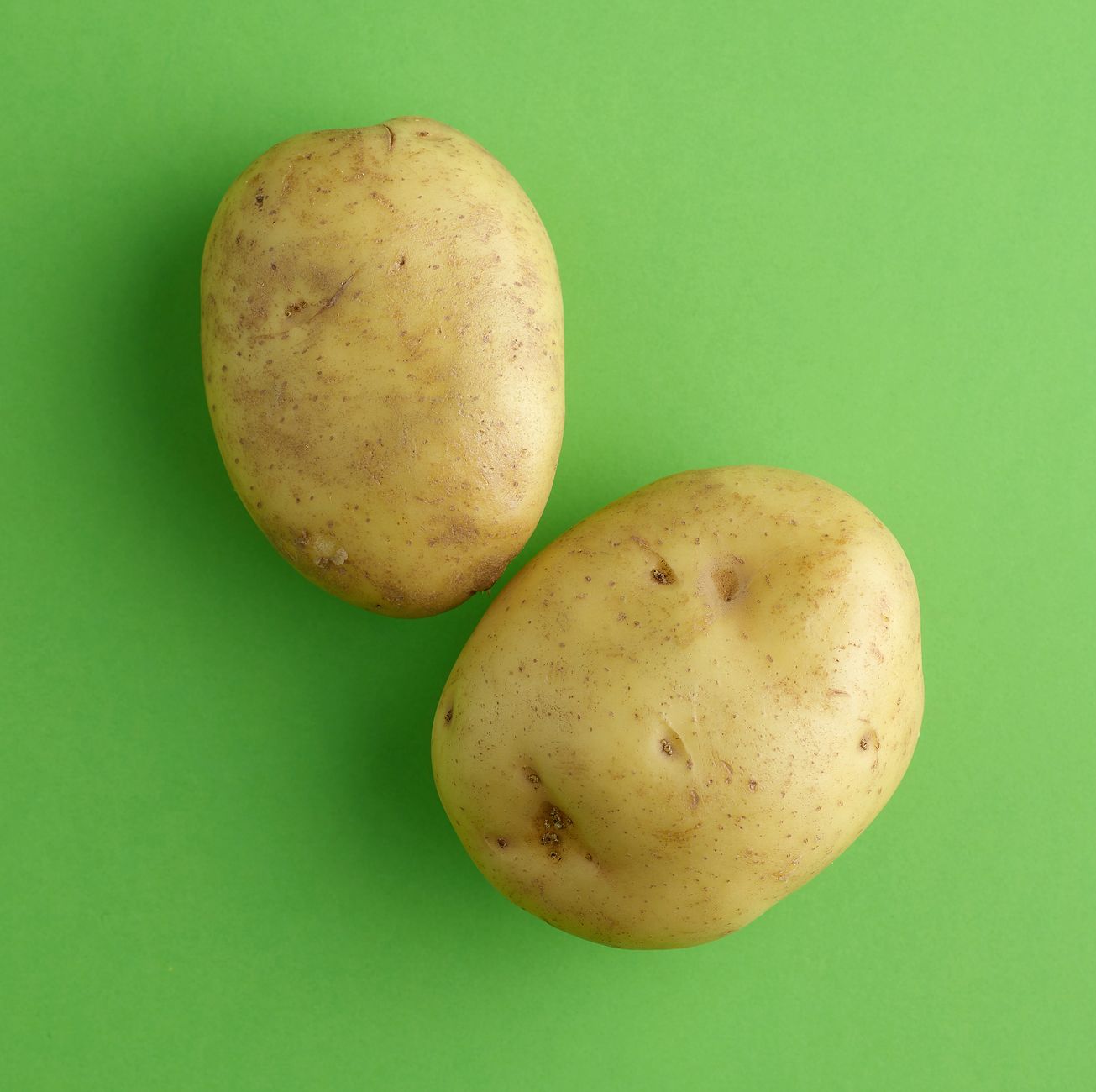
Green potatoes are often a cause for concern among consumers when it comes to cooking and eating. This color change usually indicates the presence of solanine, a natural toxin that can be harmful if consumed in large amounts. Understanding why potatoes turn green, how to handle them, and when they are safe to eat is crucial for nutrition and food safety.
This article explores the science behind green potatoes, their potential risks, and how to properly use and serve them while maintaining food safety. Whether you’re curious about incorporating green potatoes into your meals or merely want to learn more, this guide is for you.
What Does It Mean When a Potato Is Green?
A potato turns green due to exposure to light, which stimulates the production of chlorophyll. While some people might think a green color indicates freshness, it can also mean the potato has higher levels of solanine, a natural pesticide produced by the plant. Consuming excessive solanine can lead to gastrointestinal issues and other symptoms.
How Do Potatoes Turn Green?
When potatoes are improperly stored in light, they develop chlorophyll, resulting in a green hue. Factors contributing to greening include:
- Light exposure during growth or storage
- Temperature fluctuations
- Damage to the skin, such as cuts or bruises
It’s essential to be aware of these factors when purchasing and storing potatoes.
Are Green Potatoes Safe to Eat?
Not all green potatoes are toxic, but caution is necessary. If a potato has only a small amount of greening, you can often cut away the affected area and use the remaining part.
However, if a potato is significantly green or has a greenish tint throughout, it’s wise to discard it. Consuming large quantities of solanine can result in symptoms including:
- Nausea and vomiting
- Abdominal pain
- Diarrhea
- Headaches and dizziness
How to Select Potatoes to Avoid Green Ones
Choosing the right potatoes at the store can prevent bringing home a green one. Consider the following tips:
- Inspect each potato carefully for green spots or an overall green hue.
- Check for any blemishes, cuts, or bruises that could indicate the potato has been damaged.
- Purchase potatoes from reputable sources, which tend to maintain better quality.
Storage Tips to Prevent Greening
Proper storage of potatoes is vital to limit chlorophyll production. Follow these storage tips:
- Keep potatoes in a cool, dark place with good ventilation.
- Avoid storing them in the refrigerator, as this can change the starches to sugars and affect the flavor.
- Use brown paper bags or burlap sacks to block light while maintaining airflow.
Methods for Preparing Green Potatoes
If you find yourself with a few green potatoes, there are ways to safely prepare them after cutting away the green parts. Here are some suggestions:
Boiling Green Potatoes
Boiling is an easy method for cooking potatoes, allowing you to quickly check for any remaining green areas before serving. Here’s how:
- Wash the potatoes thoroughly to remove dirt.
- Peel away any green parts, ensuring you cut beyond the discoloration to eliminate any solanine.
- Cut the potatoes into even chunks to ensure they cook uniformly.
- Add the cut potatoes to a pot of boiling salted water.
- Boil for approximately 15–20 minutes or until tender.
- Drain, and they are ready to be served or mashed.
Mashing Green Potatoes
Mashed potatoes can be a comforting side dish. Use this method to make mashed potatoes while ensuring any potentially harmful parts have been removed:
- Prepare the potatoes by washing and peeling them.
- Cut away any green spots as mentioned earlier.
- Boil the potatoes until fork-tender (around 15–20 minutes) and drain.
- Add butter, milk, salt, and pepper, and mash to your desired consistency.
- Serve warm, optionally garnished with herbs.
Creative Uses for Green Potatoes
While green potatoes can be potentially harmful if consumed carelessly, there are still ways to creatively incorporate them into your meals when properly prepared. Here are some culinary ideas:
Potato Soup
A hearty potato soup can be a great way to utilize potatoes in a comforting dish. Just remember to inspect and remove green areas:
- Start by sautéing onions and garlic in a pot with some oil until they become translucent.
- Prepare and add the potatoes, chicken or vegetable broth, and seasonings.
- Simmer until the potatoes are tender, then blend until smooth for a creamy texture.
- Season to taste and serve hot.
Loaded Mashed Potatoes
Transform the mashed potatoes into a delectable side dish by adding toppings such as:
- Cheddar cheese
- Bacon bits
- Sour cream
- Chives or green onions
These toppings add flavor and texture, elevating your dish to new heights.
Common Mistakes to Avoid When Handling Potatoes
When dealing with potatoes, several common mistakes can affect their quality and safety:
- Ignoring the green areas: Always cut away all green parts; do not rely solely on surface appearances.
- Storing them in plastic bags: This can create moisture, leading to spoilage.
- Washing potatoes before storage: Moisture can promote spoilage; wash them only before use.
How to Dispose of Green Potatoes Safely
Proper disposal is important to avoid any potential contamination or accidental consumption. To dispose of green potatoes:
- Seal them in a plastic bag to prevent leakage.
- Check local food waste guidelines, as some communities have specific rules regarding disposal.
- The best option for disposal is often composting if the potatoes are not extensively green.
FAQs About Green Potatoes
What should I do if I accidentally eat a green potato?
If you’ve consumed a small quantity of green potato, it’s best to monitor yourself for any symptoms such as nausea or stomach discomfort. If you experience severe symptoms, contact a healthcare professional for advice.
Can cooking green potatoes make them safe to eat?
Cooking does not eliminate solanine; thus, green potatoes should either be discarded or thoroughly prepared by cutting away green areas prior to cooking.
Are all potatoes with green spots harmful?
Not necessarily, but it’s crucial to remove any affected areas before consuming them. If a potato has extensive greening, it’s safest to throw it away.
Conclusion
Understanding green potatoes is essential for safe cooking and nutrition. By being aware of why potatoes turn green, how to shop for them, and proper preparation methods, you can enjoy potatoes without worry. Make sure to always inspect your potatoes and practice safe food handling techniques.
If you’re looking to explore more about potatoes, consider trying out our potato candy recipe or our delicious loaded mashed potatoes recipe. Each offers an exciting way to enjoy this versatile vegetable!