
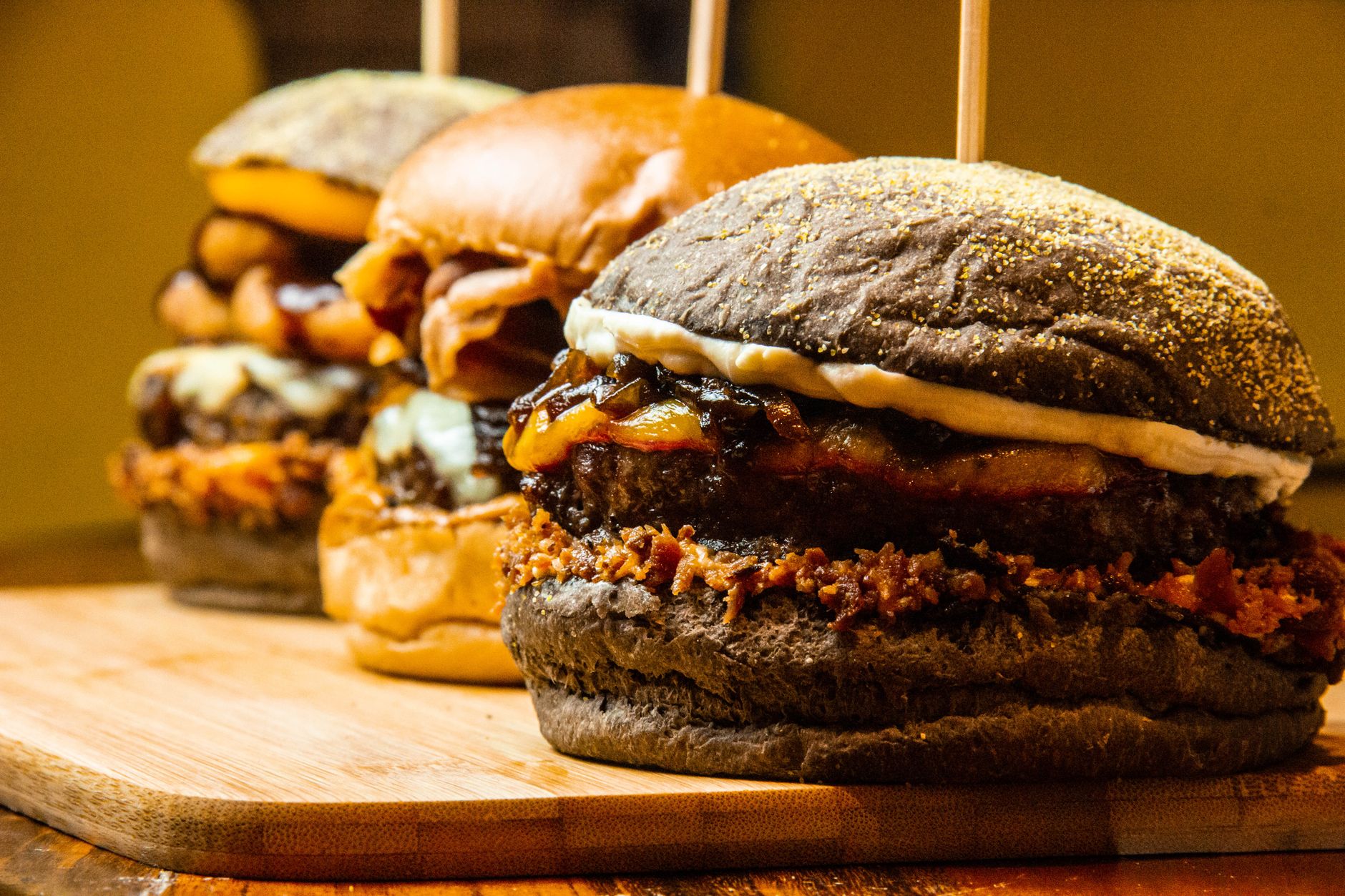
Bison burgers have gained popularity as a flavorful and nutritious alternative to traditional beef burgers. Known for their lean quality and rich taste, bison provides a unique twist on a classic dish. Understanding what a bison burger is, including its ingredients, taste, and culinary applications, can elevate your dining experience.
This article explores the composition of bison burgers, their distinct flavor profile, and how you can incorporate them into your meals. Whether you are a seasoned chef or a cooking novice, you’ll find practical insights to enhance your culinary repertoire.
What Is a Bison Burger?
A bison burger is a type of hamburger made from ground bison meat, which is extracted from the North American bison, also known as buffalo. Bison is celebrated for its health benefits, being lower in fat and calories compared to beef while providing high protein levels. This offers a delicious yet healthier option for burger lovers.
Ingredients in a Bison Burger
The primary ingredient in a bison burger is, of course, the ground bison meat itself. However, various other ingredients can enhance the flavor and texture of the burger. Here’s a detailed look into the essential components:
- Ground Bison: This is the star of the dish. Look for high-quality ground bison that is 85% lean for the best flavor and juiciness.
- Burger Buns: Choose a fresh, sturdy bun that can hold the weight of the burger without falling apart. Whole wheat or brioche buns are good options.
- Cheese: Optional, but may include cheddar, pepper jack, or blue cheese to add creaminess and flavor.
- Condiments: Classic toppings include mustard, ketchup, mayonnaise, and specialty options like aioli or barbecue sauce.
- Vegetables: Fresh toppings such as lettuce, tomato, onion, and pickles add crunch and acidity.
- Spices and Seasonings: Typical spices include salt, pepper, garlic powder, and onion powder to enhance the natural flavors of the bison.
Taste and Texture Profile
The flavor of bison meat is slightly sweeter and richer than beef due to its unique diet, which consists primarily of grass. It has a robust, gamey quality that pairs well with various seasonings and toppings. Here are some key taste and texture characteristics:
- Flavor: Bison has a deeper, richer flavor compared to beef, with some tasting hints of sweetness.
- Texture: The meat is coarse and firm yet tender, making for a satisfying bite.
- Juiciness: Because bison is leaner than beef, proper cooking techniques are essential to retain moisture.
Culinary Uses for Bison Burgers
Bison burgers can be used in a variety of culinary contexts, extending beyond the traditional summer barbecue. Here are some creative ways to incorporate bison burgers into your meals:
Grilling
Grilling is the most common method for cooking bison burgers. The high heat creates a flavorful sear on the outside while keeping the inside tender. Here’s how to grill the perfect bison burger:
- Preheat your grill to high heat.
- Form the ground bison into patties, typically about 6 ounces each and about ¾ inch thick.
- Season both sides with salt and pepper (and any additional spices you prefer).
- Place the patties on the grill and cook for 4–5 minutes on each side for medium-rare. Aim for an internal temperature of 135°F (57°C).
Pan-Frying
If you don’t have a grill, frying is a viable alternative. Here’s a straightforward method:
- Heat a skillet over medium heat and add a tablespoon of oil (like olive or canola).
- Form and season the bison patties as you would for grilling.
- Cook the patties in the skillet for about 4–5 minutes on each side, monitoring the internal temperature as you go.
Oven-Baking
Baking bison burgers in the oven is another easy option, especially for larger batches.
- Preheat your oven to 375°F (190°C).
- Line a baking sheet with parchment paper for easy cleanup.
- Place the formed patties on the baking sheet and bake for about 20 minutes, flipping halfway through, until they reach an internal temperature of 135°F (57°C).
Pairing Suggestions for Bison Burgers
To complement the rich flavor of bison burgers, consider pairing them with various sides and beverages:
Sides
- Sweet Potato Fries: The sweetness of the fries balances the robust flavor of the bison.
- Coleslaw: A refreshing crunch can provide contrast to the burger’s richness.
- Grilled Vegetables: Seasonal vegetables like zucchini, bell peppers, and asparagus are excellent grilled companions.
Beverages
- Craft Beer: A hoppy IPA or malty stout pairs well with the bison’s flavors.
- Red Wine: Full-bodied reds like Cabernet Sauvignon can complement the burger’s richness.
- Lemonade: A refreshing lemonade can also brighten the meal.
Common Mistakes to Avoid When Cooking Bison Burgers
Overcooking
Bison is leaner than beef, making it easier to overcook. Always use a meat thermometer and cook to an internal temperature of 135°F (57°C) for medium-rare.
Insufficient Seasoning
Due to its lean nature, bison burgers benefit from ample seasoning. Don’t be shy with salt and spices.
Not Letting the Meat Rest
Allowing bison burgers to rest for a few minutes after cooking helps redistribute the juices, resulting in a juicier burger.
Storing and Reheating Bison Burgers
Knowing how to properly store and reheat bison burgers can help maintain their quality for leftovers:
Storing
- Allow cooked bison burgers to cool completely before transferring them to an airtight container.
- Refrigerate for up to 3–4 days or freeze for 3 months.
Reheating
To reheat, place the burger in a preheated oven at 350°F (175°C) until warmed through, about 10 minutes. Alternatively, use a microwave, covering the burger, for about 1–2 minutes on medium power.
Variations and Substitutions
Bison burgers offer flexibility in recipes, allowing for various variations and ingredient substitutions:
- Meat Combinations: Mix bison with ground pork or turkey for a different flavor and fat content.
- Gluten-Free Buns: Use lettuce wraps or gluten-free buns to cater to dietary needs.
- Plant-Based Alternatives: Consider options like black bean or lentil patties if looking for vegetarian substitutes.
Final Thoughts on Bison Burgers
Exploring bison burgers can significantly enhance your grill game, offering a nutritious and delicious alternative to traditional beef. Their unique flavor, coupled with versatility in preparation, positions them as a worthy addition to any meal plan. Whether for a casual lunch or a gourmet dinner, bison burgers are sure to impress.
If you’re intrigued by diverse meat alternatives or looking for tantalizing burger recipes, explore our Tuna Burger Recipe or experiment with our Crack Burger Recipe. Discover the exciting world of burgers beyond the classic beef version!