
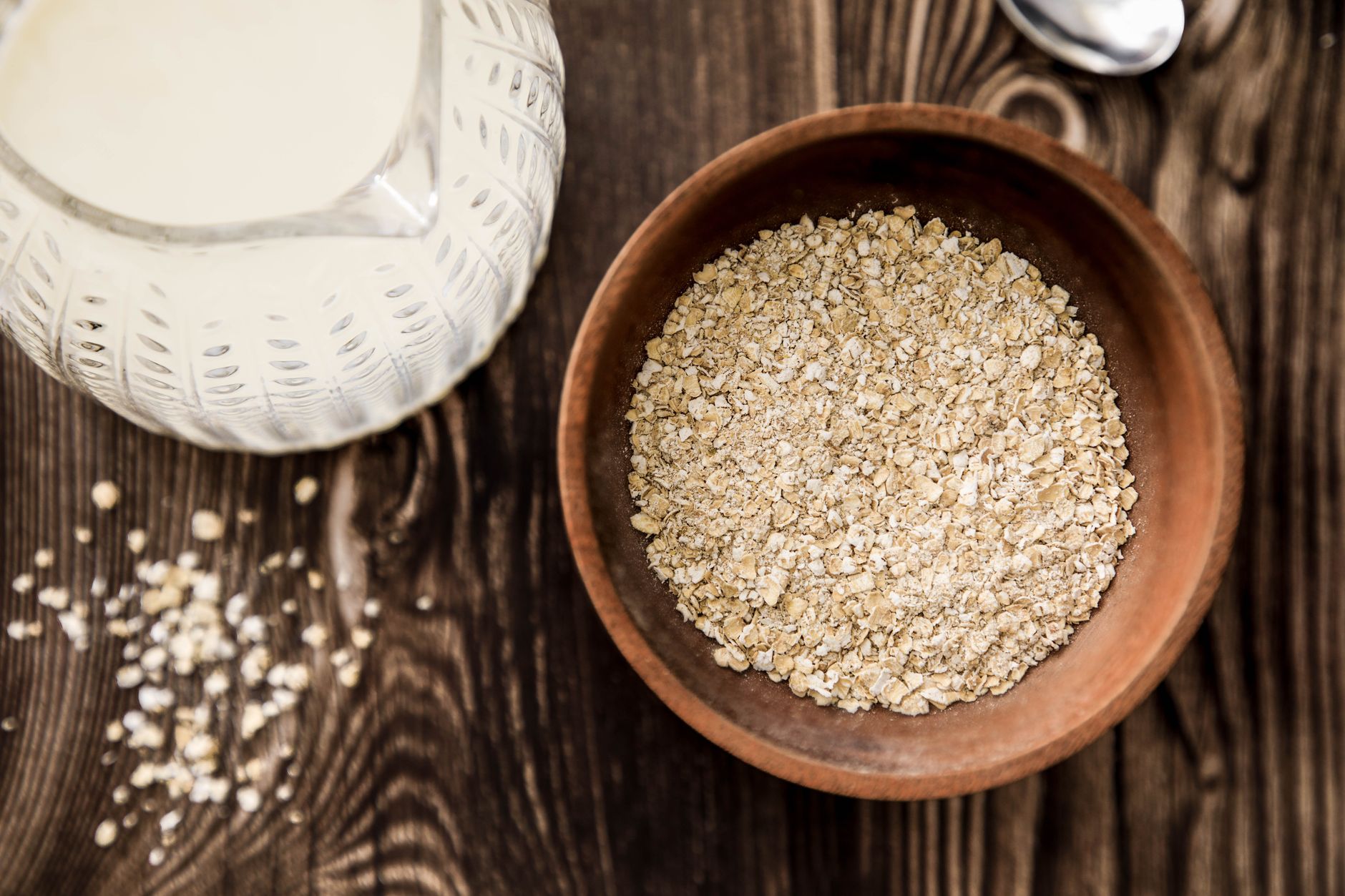
Oat milk has surged in popularity as a dairy alternative due to its creamy texture and mild flavor. It pairs well with coffee, smoothies, and cereals, making it a versatile staple in both kitchens and cafes. When making oat milk at home, it’s essential to know how long it lasts to ensure optimal freshness and taste.
This guide delves into the shelf life of homemade oat milk, factoring in storage methods and how to recognize when it’s no longer good to use. Understanding these details helps you make the most out of your homemade oat milk, minimizing waste and maximizing enjoyment.
How Long Does Homemade Oat Milk Last?
Homemade oat milk typically lasts up to 4 to 5 days in the refrigerator when stored properly. Factors such as ingredients used, storage method, and hygiene practices during preparation can influence its shelf life.
Understanding Homemade Oat Milk
Homemade oat milk is easy to prepare, requiring just oats and water, along with optional flavorings and sweeteners like vanilla or dates. When blended, oats create a smooth, creamy liquid that can be strained for a silky finish. Unlike store-bought oat milk, which may contain preservatives and stabilizers, homemade versions contain only natural ingredients.
Factors Influencing Shelf Life
Several factors contribute to the shelf life of homemade oat milk. Understanding these can help you store it correctly and recognize when it’s past its prime.
Ingredients Used
- Oats: Rolled or quick oats are common, while steel-cut oats may create a grittier texture.
- Water: Purity of water is crucial; always use clean, filtered water for best results.
- Flavorings: Ingredients like vanilla extract, sweeteners, or additives may impact longevity.
Storage Conditions
- Temperature: Keeping oat milk refrigerated at or below 40°F (4°C) is essential for extending its life.
- Contamination: Using clean utensils and containers helps prevent contamination that could spoil the milk.
Hygiene Practices
Taking care during preparation and storage can greatly influence shelf life. Make sure to wash your hands and tools thoroughly before handling ingredients. If oat milk is exposed to air or bacteria, it may spoil more rapidly.
Identifying Spoilage in Homemade Oat Milk
It’s essential to know how to identify spoilage, as consuming spoiled oat milk can lead to digestive discomfort.
Visual Signs
- Separation: Though separation is common in oat milk, a significant or unusual level may indicate spoilage.
- Cloudiness or Discoloration: Any unexpected changes in color can be a warning sign.
Smell and Taste
- Odor: A sour or off smell is a clear indication that oat milk has gone bad.
- Taste: If in doubt, tasting a small amount can help determine if the milk is still good. If it tastes sour or otherwise unpleasant, discard it.
Best Practices for Storing Homemade Oat Milk
To maximize the shelf life of homemade oat milk, follow these best practices.
Choosing the Right Container
- Glass Containers: Use clean glass jars or bottles with airtight lids to store oat milk. Glass is less prone to retaining flavors and odors than plastic.
- Airtight Seal: Ensure the container is sealed tightly to limit exposure to air and bacteria.
Refrigeration
Always store homemade oat milk in the refrigerator. Keeping it at a consistently cold temperature is critical in preventing spoilage.
Batch Preparation
Consider making smaller batches, especially if you don’t consume oat milk daily. This reduces the chances of spoilage and ensures a fresher product each time.
Creative Uses for Homemade Oat Milk
Homemade oat milk is not just for drinking; it can also elevate your cooking and baking endeavors.
In Coffee and Tea
Its creamy texture and mild sweetness make oat milk an excellent choice for lattes, cappuccinos, and teas. It froths well, providing a delightful addition to your daily caffeine fix.
In Smoothies
Substitute regular milk or yogurt with oat milk in smoothies for a dairy-free option that maintains creaminess while adding a subtle nutty flavor.
In Baking
You can also use oat milk as a direct substitute for milk in baking recipes, like pancakes, muffins, and cakes. Be aware that the flavor may slightly change, offering a more wholesome taste.
How to Make Homemade Oat Milk
If you’re new to homemade oat milk, here’s a simple recipe to get you started.
Ingredients
- 1 cup rolled oats
- 4 cups water
- Optional: 1-2 tablespoons sweetener (like maple syrup or honey)
- Optional: 1 teaspoon vanilla extract
- Pinch of salt
Essential Equipment
- Blender
- Nut milk bag or fine mesh strainer
- Container for storage
Instructions
- Combine oats and water in a blender. Add sweetener, vanilla, and salt if desired.
- Blend on high for 30-45 seconds until well mixed. Avoid over-blending, as this can make the milk slimy.
- Strain the mixture through a nut milk bag or fine mesh strainer into a bowl or pitcher. Squeeze to extract as much liquid as possible.
- Store the strained milk in a clean glass container in the refrigerator.
Common Mistakes to Avoid
Recognizing and avoiding common pitfalls can enhance your homemade oat milk experience.
Over-Blend
Blending oats for too long can create a gummy texture. Aim for 30-45 seconds to achieve the right consistency.
Using Old Oats
Be sure to use fresh oats, as stale oats can affect the taste and freshness of your oat milk.
Not Straining Properly
When you don’t strain the oat milk well, you can end up with a gritty texture. Investing in a good nut milk bag can help with this.
Make-Ahead Guidance
Homemade oat milk can be prepared in advance, so consider these make-ahead tips to simplify your routine.
Plan for Batch Cooking
Prepare oat milk at the beginning of the week and store it in the fridge to ensure you always have it on hand, consuming it within 4-5 days for best results.
Freeze for Longer Storage
If you want to store oat milk for a more extended period, pour it into ice cube trays or freezer-safe containers. Frozen oat milk can last up to 3 months but should be thawed in the refrigerator before use.
Conclusion
Homemade oat milk is a delightful dairy alternative that can last up to 4-5 days when stored properly. By understanding how to make it, store it, and recognize signs of spoilage, you can enjoy this creamy beverage while minimizing waste.
If you’re new to making oat milk or seeking tips on preserving other foods, explore related guides such as how long cooked ground beef lasts in the fridge or how long does cottage cheese last after opening. Each offers practical insights to enhance your kitchen experience.