
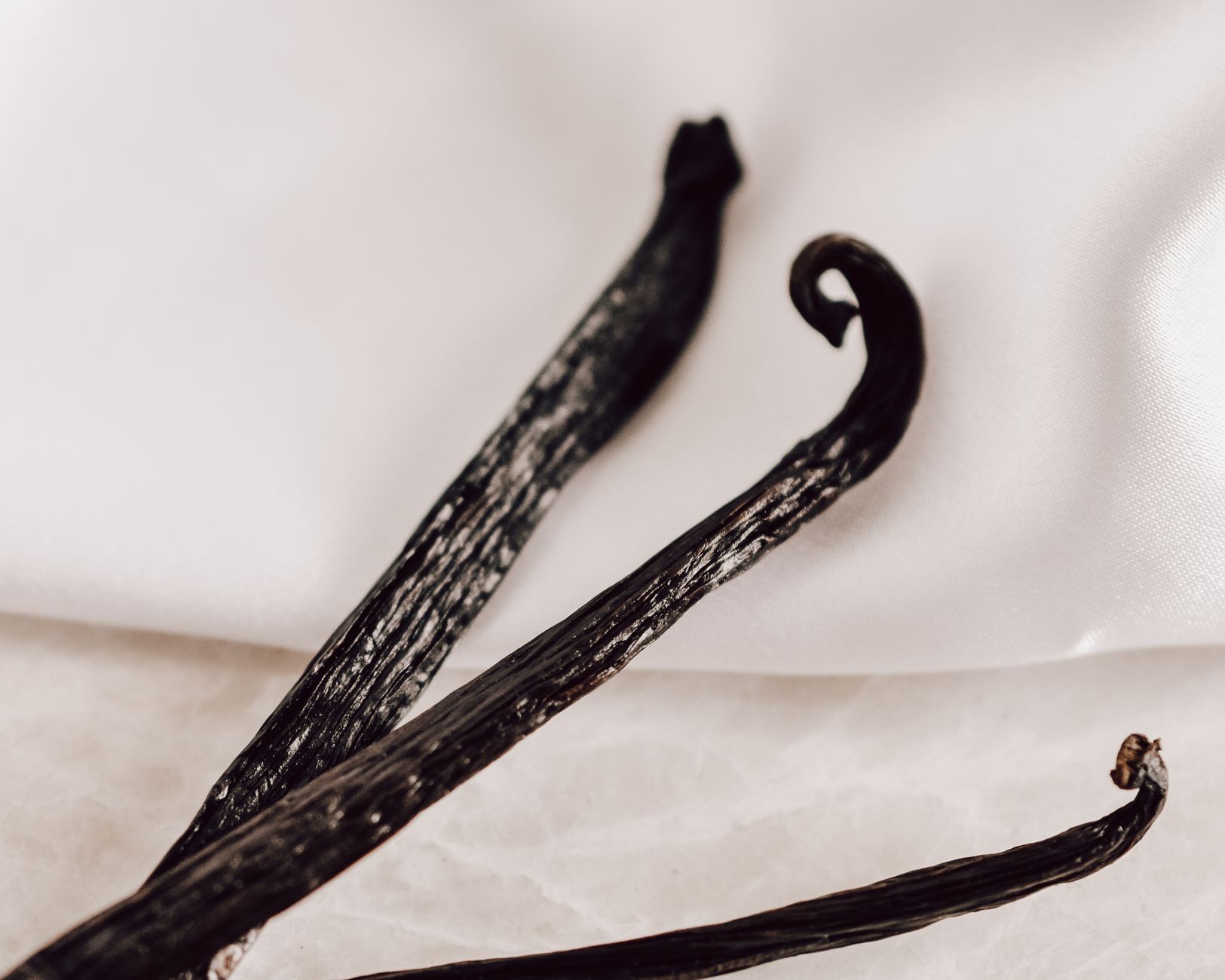
Choosing the right flavoring can make or break a dish, particularly when it comes to baking and desserts. Vanilla extract and vanilla bean paste are two popular options for adding a rich, aromatic flavor to your recipes. However, as many home cooks wonder, can you substitute vanilla extract for vanilla bean paste?
In this article, we will explore the differences between these two ingredients and provide practical guidance on when and how to make the substitution. This will help you achieve the best results in your culinary creations.
Can You Substitute Vanilla Extract For Vanilla Bean Paste?
Yes, you can substitute vanilla extract for vanilla bean paste, but it may affect both the flavor and texture of your dish. Vanilla bean paste contains actual flecks of vanilla bean, providing a more intense flavor and visual appeal than vanilla extract. Understanding how to make this substitution effectively is essential for successful cooking and baking.
Understanding the Ingredients
What is Vanilla Extract?
Vanilla extract is a liquid flavoring made by steeping vanilla beans in alcohol and water. The result is a concentrated flavoring that captures the essence of vanilla and can be used in a wide variety of recipes. It is widely available and a pantry staple for many cooks.
What is Vanilla Bean Paste?
Vanilla bean paste is a thicker syrup-like substance that combines vanilla bean extract with the seeds of the vanilla bean pods. It offers a more robust flavor than vanilla extract and contains visible specks of vanilla beans, which can enhance the appearance of dishes. It can be particularly useful in recipes where the visual presentation is important, such as in custards or cakes.
Flavor and Texture Differences
The primary differences between vanilla extract and vanilla bean paste come down to flavor intensity and texture:
- Flavor: Vanilla bean paste tends to have a richer, more complex flavor profile due to the inclusion of the actual seeds, while vanilla extract provides a milder taste.
- Texture: Vanilla bean paste is thicker and has a more viscous texture compared to the liquid form of vanilla extract, which can change the texture of your final dish.
How to Substitute Vanilla Extract for Vanilla Bean Paste
When substituting vanilla extract for vanilla bean paste, you need to consider the quantities and the overall impact on flavor and appearance. Here’s a handy guideline:
- Substitution Ratio: Use about 1 teaspoon of vanilla extract for every ½ teaspoon of vanilla bean paste. This maintains a reasonable balance of flavor.
- Consider Concentration: If your recipe heavily relies on vanilla flavor, you might want to increase the amount of extract to better replicate the strength found in vanilla bean paste.
- Visual Appeal: Keep in mind that while vanilla extract will provide flavor, it will not provide the visual flecks that paste does. This may affect the look of holiday desserts or special occasion cakes.
When to Use Each Ingredient
Understanding when to use vanilla extract versus vanilla bean paste can help you choose the best option for your dish.
Use Vanilla Extract When:
- You are making baked goods where the vanilla flavor complements other dominant flavors, like chocolate or spices.
- You need a cost-effective option, as vanilla extract is usually more affordable than vanilla bean paste.
- You are preparing a quick recipe where the flecks of vanilla bean are not necessary for visual appeal.
Use Vanilla Bean Paste When:
- You want a stronger, multi-dimensional vanilla flavor, particularly in recipes where vanilla is the star ingredient.
- You are making custards, ice creams, or other desserts where the presentation matters and the visual beans will enhance the dish.
- You have time and budget flexibility, as vanilla bean paste tends to be pricier but offers a premium flavor experience.
Common Uses for Vanilla Extract and Vanilla Bean Paste
Both ingredients serve specific culinary purposes and can enhance various dishes:
Vanilla Extract Uses
- Baking: Ideal for cakes, cookies, and muffins.
- Custards and Puddings: Offers adequate flavor when paired with other ingredients.
- Syrups and Sauces: Adds a pleasant aroma without overpowering flavors.
Vanilla Bean Paste Uses
- Ice Creams: Provides visible flecks and a strong flavor.
- Custards: Ideal for recipes that require rich vanilla flavor and presentation.
- Glazes: Used in dessert toppings where the flavor and appearance matter.
Considerations for Baking with Vanilla Extract and Vanilla Bean Paste
When using either ingredient in baking, consider the following:
Flavor Cooking Techniques
The cooking technique can influence how the vanilla flavor develops. For instance, adding vanilla extract too early in the cooking process, especially in prolonged low-heat tasks, can diminish its flavor. Add vanilla extract toward the end of cooking for maximum potency.
Possible Substitution Pitfalls
Be cautious about the following pitfalls when substituting:
- Over-vanillanizing: Too much vanilla extract may overwhelm other flavors in some recipes, particularly those with delicate balance.
- Loss of Texture: The liquid nature of extract can alter the intended consistency of baked goods, especially in recipes that rely on the thickness of pastes.
Storage and Shelf Life
Proper storage of both vanilla extract and vanilla bean paste is crucial for maintaining their flavors:
- Vanilla Extract: Store in a cool, dark place in a tightly sealed bottle. If stored correctly, it can last indefinitely, but for the best flavor, use within 2 to 4 years.
- Vanilla Bean Paste: Store in the refrigerator after opening to prolong shelf life. It typically lasts about 1 to 2 years but try to use it sooner for the best flavor.
Tips for Enhancing Flavor in Recipes
There are ways to amplify the vanilla flavor regardless of your choice of ingredient:
- Pairing with Other Flavors: Consider using complementary flavors like almond or citrus zest for increased depth.
- Scalding Milk: If applicable to your recipe, scald milk with vanilla before cooling—this infuses a more robust flavor into baked goods.
- Experimenting with Infusions: If you have additional vanilla pods, you can make a DIY paste by blending them with some sugar or alcohol for an intensified flavor experience.
Conclusion
While you can substitute vanilla extract for vanilla bean paste, it’s important to understand their differences in flavor and appearance. The substitution can affect both the aroma and texture of your dish. Knowing when and how to use these ingredients will empower you to create delicious and visually appealing recipes, whether you’re baking cookies, cakes, or desserts.
Next time you find yourself out of vanilla bean paste, remember these guidelines, and don’t hesitate to reach for vanilla extract. For further reading, explore the possibilities of vanilla alternatives at what is a substitute for vanilla extract or try making your own vanilla bean paste recipe.