
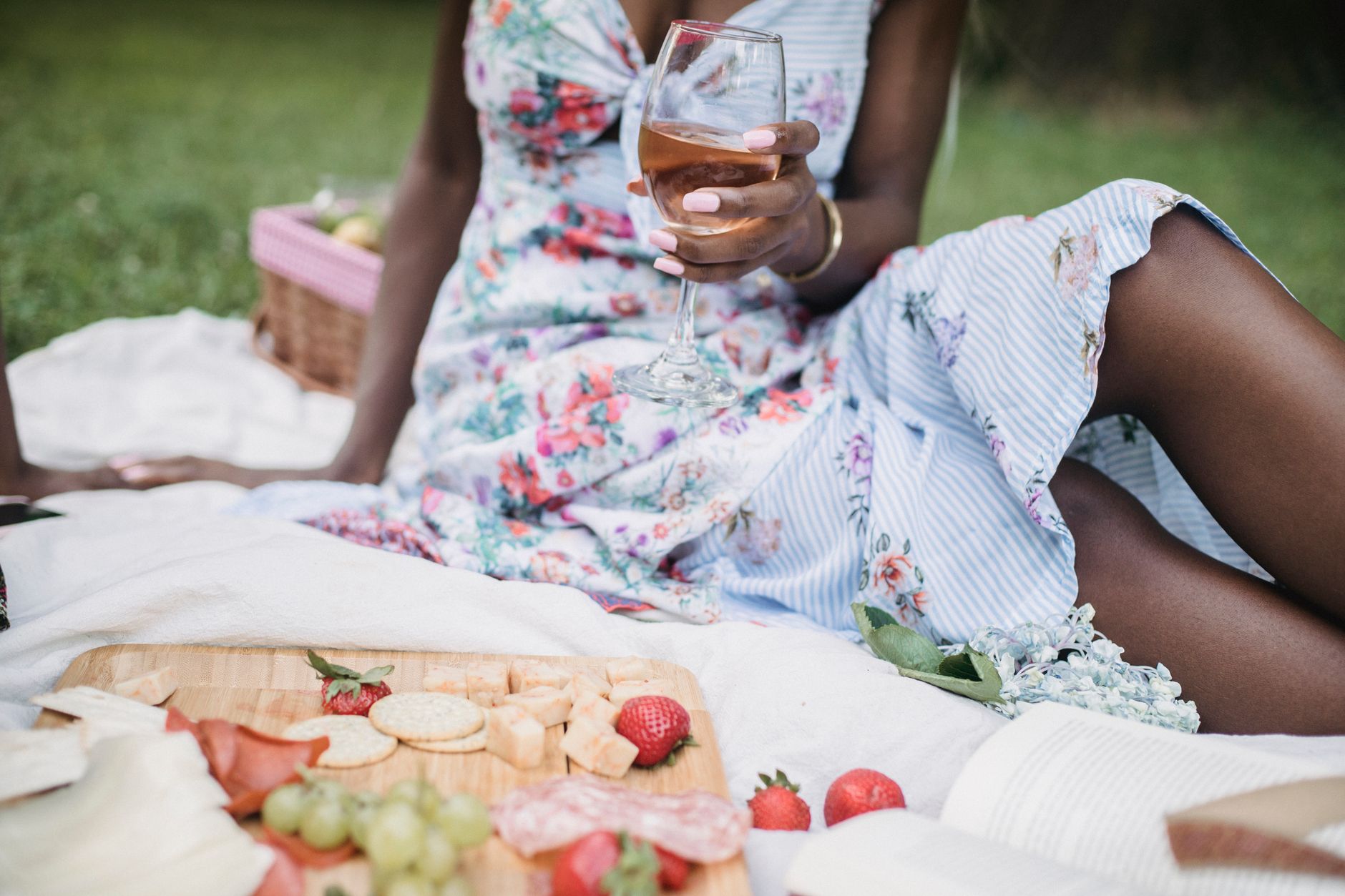
Wine has long been one of the most beloved beverages in the world, enjoyed by many for various reasons. From special occasions to simple dinners, its influence permeates social gatherings, culinary adventures, and cultural experiences. People drink wine not only for its flavors but also for the myriad of emotional and social connections it fosters.
Understanding why people drink wine goes beyond just taste; it delves into the accompanying experience, the science behind its production, and the culinary uses that enhance meals or social gatherings. This article explores the multifaceted reasons behind wine consumption, including its food pairings, uses in cooking, serving ideas, and much more.
Why Do People Drink Wine?
People drink wine for numerous reasons ranging from culinary enjoyment to social bonding. Wine provides a unique flavor profile that can complement a wide variety of foods, enhancing the overall dining experience. Additionally, its cultural significance adds depth to social interactions, making it a popular choice in celebrations and gatherings. Choosing a bottle can also be an expression of personal taste and status, creating a rich tapestry of reasons to enjoy this ancient beverage.
The Cultural Significance of Wine
Wine has a historic connection to cultures around the globe. It is often associated with religious ceremonies, traditional celebrations, and communal feasts. The practice of sharing a bottle of wine is regarded as a symbol of hospitality and connection.
Here are a few aspects of wine’s cultural significance:
- Religious and Spiritual Use: In many cultures, wine plays a pivotal role in religious rituals, symbolizing connection to a higher power or the celebration of life.
- Social Bonding: Sharing wine fosters interactions and creates an atmosphere for open communication. Birthdays, anniversaries, and other milestones are often celebrated with wine as a central component.
- Art and Education: Wine production involves artistry, from viticulture to winemaking. Many enjoy learning about various wine regions, varieties, and production techniques, making wine appreciation a rewarding endeavor.
Flavor Profiles and Uses of Wine
The diverse flavors found in wine stem from various factors, including grape variety, region, and fermentation process. Understanding these profiles can enhance your culinary experience and guide your choices when pairing wine with food.
Types of Wine
Wine can be categorized into several types, each with unique characteristics:
- Red Wine: Known for its full-bodied profile, red wines often have flavors of dark fruits, spices, and earthy notes. Popular grape varieties include Cabernet Sauvignon, Merlot, and Pinot Noir.
- White Wine: Typically lighter, white wines feature fruity or floral notes. Key varieties include Chardonnay, Sauvignon Blanc, and Riesling.
- Rosé Wine: A blend of red and white techniques, rosé has a range of flavors from sweet to dry, making it versatile for warm weather.
- Sparkling Wine: Including Champagne and Prosecco, these wines have carbonation, lending a festive touch to celebrations.
Culinary Uses of Wine
Incorporating wine in cooking can elevate dishes by enhancing flavors and adding depth. Here are some common uses of wine in the kitchen:
- Deglazing: After sautéing meat or vegetables, use wine to deglaze the pan, releasing flavorful bits stuck to the bottom and creating a rich sauce.
- Marinating: Wine can act as a tenderizer for meats, as its acidity helps break down proteins while imparting flavor.
- Cooking Liquids: Incorporating wine into soups, stews, and braises can create complex flavor profiles that would otherwise be unattainable.
- Reduction Sauces: Simmering wine can concentrate its flavors, resulting in a luxurious sauce ideal for drizzling over proteins.
Pairing Wine with Food
The right wine can enhance a meal’s overall experience. Pairing wine with food involves understanding both the flavor profiles of the wine and the dish. Below are classic guidelines for making elegant pairings.
White Wine Pairings
- Chardonnay: Pairs well with creamy dishes like Alfredo pasta or buttery seafood, thanks to its oakiness and full body.
- Sauvignon Blanc: This crisp wine complements citrus-based dishes, salads, and light appetizers.
Red Wine Pairings
- Cabernet Sauvignon: Ideal for rich meats such as steak or lamb due to its tannin structure.
- Pinot Noir: A versatile choice that enhances roasted chicken, mushroom dishes, and salmon.
Rosé Wine Pairings
- Rosé: Works well with a variety of cuisines including Mediterranean dishes, grilled vegetables, and lighter fare.
Sparkling Wine Pairings
- Champagne: Its effervescence makes it perfect for fried foods, salty snacks, and even savory appetizers like caviar.
Serving Ideas for Wine
Proper serving of wine can significantly influence the tasting experience. Paying attention to temperature, glassware, and pouring techniques ensures the full expression of the wine’s character.
Serving Temperature
- Red Wine: Generally, red wines are served slightly cooler than room temperature—around 60 to 65 degrees Fahrenheit.
- White Wine: Best served chilled, between 50 to 55 degrees Fahrenheit to enhance its refreshing qualities.
- Sparkling Wine: Should be served very cold at about 45 degrees Fahrenheit for optimal enjoyment.
Glassware
Choosing appropriate glassware helps unlock the wine’s aroma and flavor:
- Red Wines: Use larger, bowl-shaped glasses to allow for aeration.
- White Wines: Finer stems showcase the wine’s clarity and aromas.
- Sparkling Wines: Flutes preserve carbonation, enhancing the overall experience.
Pouring Techniques
Poring wine properly can elevate the drinking experience:
- Pour to the widest point of the glass to allow maximum exposure to air.
- Aim for a generous fill of about one-third of the glass to promote swirling and aroma release.
Common Mistakes While Drinking Wine
A few missteps can detract from your enjoyment of wine. Avoid these common mistakes:
- Ignoring Temperature: Serving wine at the wrong temperature can mute its flavors and aromas.
- Using the Wrong Glass: Drinking from inappropriate glassware can limit your ability to appreciate the nuances of the wine.
- Poor Pairing Choices: Not considering the wine-food pairing can lead to a less enjoyable dining experience.
Make-Ahead Tips for Wine Lovers
If you enjoy hosting, preparing ahead of time allows you to focus on your guests. Here are some make-ahead tips:
- Chill White and Sparkling Wines: Place these in the refrigerator well in advance to ensure they are cold when served.
- Prepare Wine-Based Marinades or Sauces: Make these a day ahead to let flavors meld effectively; simply store them in the refrigerator.
- Have Glassware Ready: Set your dining area and ensure your glassware is ready to avoid last-minute rushes.
Conclusion
Wine is more than just a beverage; it plays a crucial role in culture, cuisine, and socialization. From enhancing culinary delights to forging deep connections during celebrations, the reasons for enjoying wine are manifold. Those looking to appreciate wine should explore various types, experiment with food pairings, and keep serving techniques in mind to fully enjoy the experience.
Explore further with related content such as the Espresso Tonic Recipe and the Black Manhattan Recipe for creative drink ideas that complement your wine adventures.