
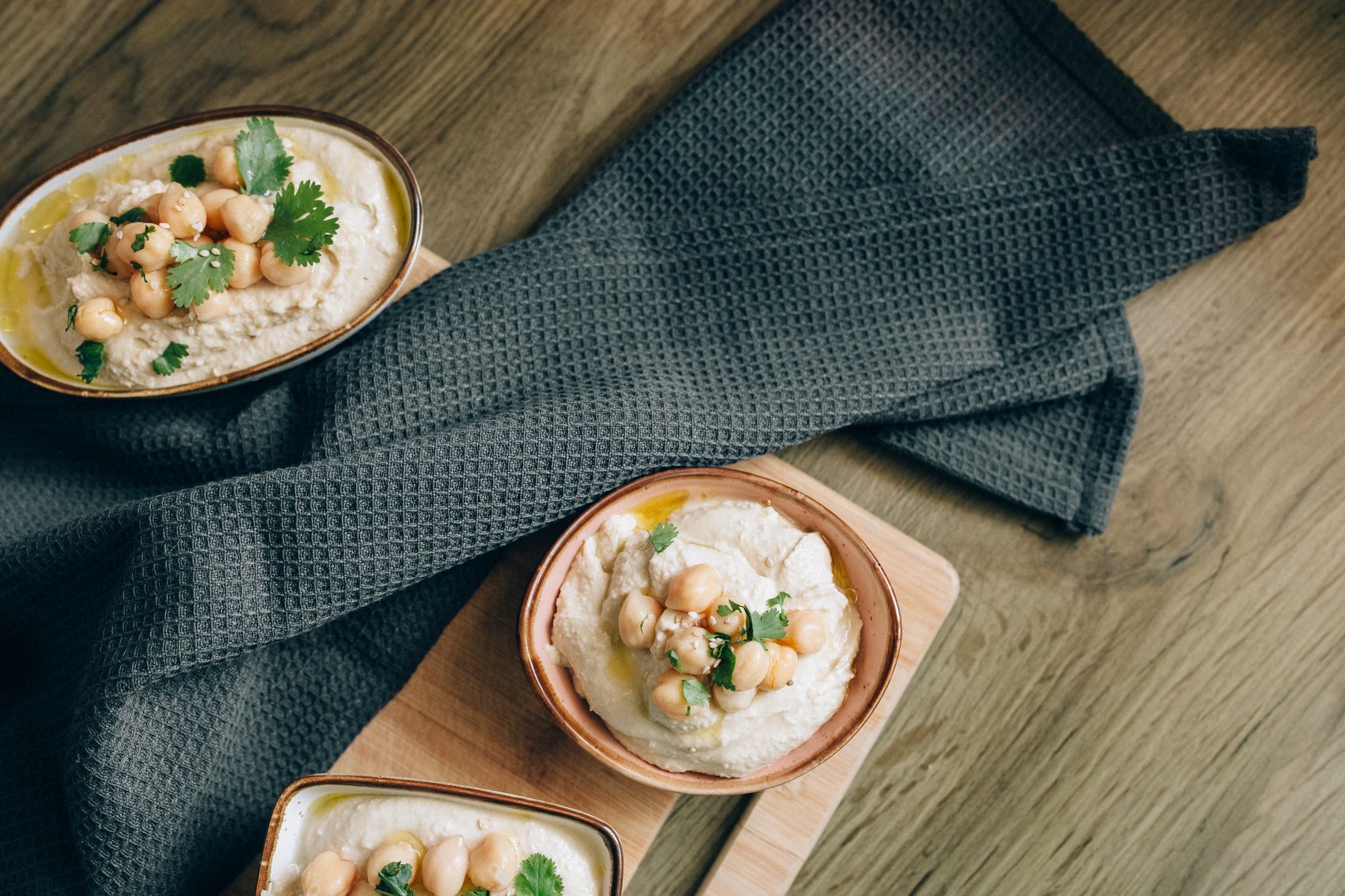
Hummus is a popular Middle Eastern dip made primarily from chickpeas and often enjoyed with pita bread or vegetables. It’s creamy, flavorful, and versatile, making it a go-to choice for many. However, for individuals who are sensitive to histamines, the question arises: is hummus low histamine?
This article will explore the histamine content of hummus, the ingredients involved, and offer considerations for those looking to enjoy this dip without triggering their histamine intolerance. We’ll delve into histamine-rich ingredients, possible substitutions, and practical tips for making hummus suitable for a low histamine diet.
Is Hummus Low Histamine?
Hummus is moderately low in histamine, but its histamine content largely depends on the ingredients used. Traditional hummus contains chickpeas, tahini, lemon juice, garlic, and olive oil, all of which can potentially trigger histamine reactions in some people. Substituting certain ingredients can help create a histamine-friendly version.
Understanding Histamine and Intolerance
Histamine is a compound involved in many bodily functions, including immune response and digestion. It is present in many foods, particularly fermented or aged products. Histamine intolerance occurs when the body cannot break down histamine effectively, leading to various symptoms such as headaches, digestive issues, or skin reactions.
Histamine levels in foods can vary based on ripeness, storage, and preparation methods. Understanding histamine in foods is crucial for those managing their dietary intake.
Key Ingredients in Hummus and Their Histamine Impact
The main ingredients in traditional hummus can influence its histamine content. Below is a breakdown of these ingredients and whether they are typically low or high in histamines.
- Chickpeas: Generally low in histamine when cooked freshly. However, canned chickpeas may have higher histamine levels due to the storing process.
- Tahini: Made from sesame seeds, tahini can sometimes be a concern for individuals with histamine intolerance, depending on freshness and storage.
- Olive Oil: Typically low in histamines, especially when fresh. However, some oils can become high in histamine if they are old or improperly stored.
- Lemon Juice: While fresh lemon juice can be low in histamines, some individuals might react negatively due to its acidity and fresh nature.
- Garlic: This ingredient can be high in histamines for some, although it is generally accepted in small amounts.
- Salt: Generally considered low histamine and safe to use.
Making Hummus Low Histamine: Ingredient Substitutions
If you are concerned about histamines in hummus, consider making substitutions or adjustments to the traditional recipe. Here are some alternatives that can help create a lower histamine hummus.
1. Substitute for Tahini
If tahini is an issue, try using sunflower seed butter or pumpkin seed butter. Both provide a similar nutty flavor without the potential histamine content of tahini.
2. Skip the Garlic
While garlic adds a robust flavor to hummus, it can be troublesome for some. Instead, consider using a pinch of asafoetida powder or green onion to add flavor without the histamine concern.
3. Opt for Fresh Ingredients
For lemon juice, using a small amount of freshly squeezed juice is advisable rather than bottled lemon juice, which can contain preservatives that increase histamine levels.
4. Freshly Cooked Chickpeas
To keep histamine levels low, use freshly cooked chickpeas instead of canned ones. Soaking and boiling them from scratch reduces the risk of histamine sensitivity.
Basic Low Histamine Hummus Recipe
Here’s a straightforward recipe to prepare a low histamine version of hummus. This recipe serves about 4 and takes approximately 15 minutes to prepare (excluding cooking time for chickpeas).
- Ingredients:
- 1 cup cooked chickpeas (freshly boiled)
- 2 tablespoons sunflower seed butter
- 1 tablespoon fresh lemon juice
- 3 tablespoons olive oil (fresh)
- Salt to taste
- Water, as needed for consistency
- Pinch of asafoetida powder (optional)
Method:
- In a food processor, combine the cooked chickpeas, sunflower seed butter, lemon juice, and olive oil.
- Blend until smooth, adding water incrementally to reach your desired consistency.
- If using, add the asafoetida powder and blend again.
- Season with salt to taste and pulse for a few seconds.
- Transfer to a serving bowl and garnish with a drizzle of olive oil, if desired.
Common Mistakes When Making Hummus
There are a few common pitfalls when making hummus, especially when trying to accommodate dietary restrictions.
- Using Canned Chickpeas: Many people mistakenly think canned chickpeas are fine to use. They can have higher histamine levels due to the storage process.
- Not Adjusting for Flavor: If garlic is omitted, adding enough salt or seasoning is crucial to maintain a flavorful dish.
- Ignoring Freshness: For low histamine options, it’s vital to use fresh ingredients. Dated oils or preservatives can negatively affect your hummus.
Storage and Reheating Guidelines
To store hummus, keep it in an airtight container in the refrigerator. Freshly made hummus is best consumed within 3-5 days for optimal freshness and safety.
Reheating is not commonly necessary as hummus is typically served cold or at room temperature. However, if you prefer it warm, gently heat it on low in a saucepan, adding a splash of water to maintain creaminess.
Serving Suggestions for Low Histamine Hummus
Low histamine hummus pairs well with various foods. Here are some serving ideas:
- Fresh Vegetables: Serve with sliced cucumbers, carrots, and bell peppers.
- Rice Cakes: Spread on rice cakes for a light snack.
- Salads: Use as a dressing alternative on salads, adding flavor without high-histamine ingredients.
- Wraps: Include in lettuce wraps with other fresh ingredients.
Alternative Hummus Variations
Hummus is incredibly adaptable. Consider the following variations that might align better with a low histamine diet:
1. Beet Hummus
Adding roasted beets gives color and a sweet flavor to hummus. Just replace some chickpeas with roasted beets, ensuring they’re fresh and not pickled.
2. Spinach and Herb Hummus
Add fresh spinach or herbs (like parsley) for a nutrient boost and a vibrant green color. Ensure the herbs are fresh to minimize histamine levels.
3. Avocado Hummus
Substituting some chickpeas with avocado creates a creamy texture. However, use ripe avocados to avoid histamine buildup.
Conclusion
Hummus can be a part of a low histamine diet with careful ingredient selection and preparation methods. By using fresh ingredients and mindful substitutions, you can enjoy this healthy dip without discomfort. Experimenting with variations will help you find the right balance for your palate.
If you’re interested in exploring more hummus variations, consider trying a hummus recipe without tahini for a different flavor profile while maintaining a low histamine option.