
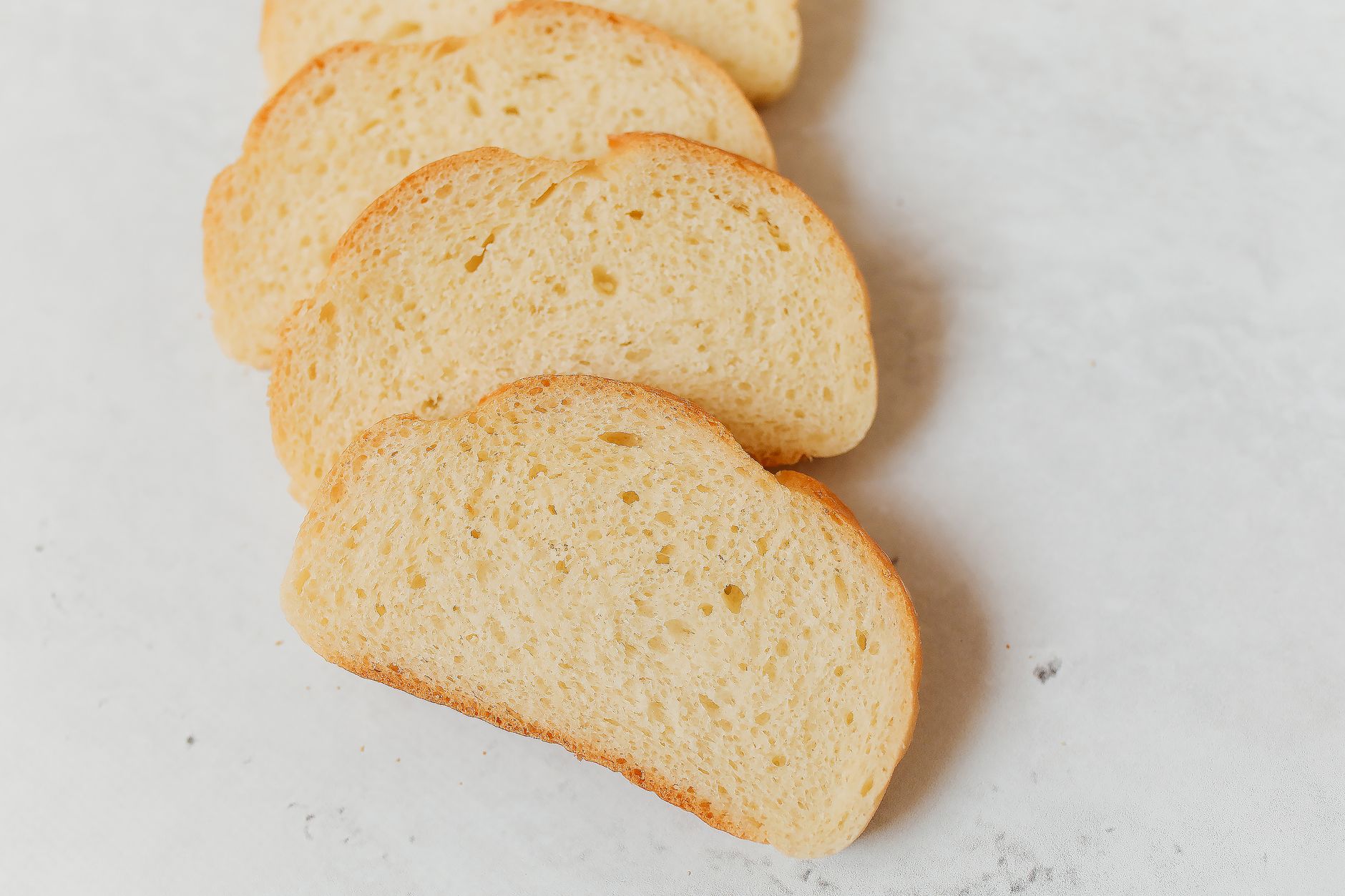
Freezing bread is a practical solution for extending its shelf life while preserving freshness. Whether you have leftover loaves, a stash of homemade bread, or simply want to stock up for future meals, understanding how to freeze bread correctly is essential.
This article covers everything you need to know about freezing, thawing, and storing bread. We’ll explore the best types of bread to freeze, the proper techniques for wrapping and freezing, as well as how to safely thaw and enjoy your bread without sacrificing quality.
Can I Freeze Bread?
Yes, you can freeze bread without compromising its taste or texture, making it a great option for meal planning and minimizing food waste. By following the right methods for freezing and thawing, you can enjoy your bread as if it were just baked.
Why Freeze Bread?
Freezing bread serves several purposes:
- Minimizes Waste: If you purchase or bake too much bread, freezing it helps you avoid wasting food.
- Convenience: Having frozen bread on hand means quick access for sandwiches, toast, or French toast.
- Freshness: Freezing preserves the texture and flavor of homemade or store-bought bread for later enjoyment.
Types of Bread Suitable for Freezing
Most bread types freeze well, though some may fare better than others. Here are common bread types that can be successfully frozen:
- White Bread: Classic loaves freeze well and retain their soft texture and flavor.
- Whole Wheat Bread: Nutritional value and texture are preserved when frozen.
- Sourdough: The tangy flavor of sourdough remains intact after freezing.
- Rye Bread: Freezes well; however, it may become slightly denser after thawing.
- Artisan Breads: Country loaves or multigrain options can be frozen with a bit of care.
- Buns and Rolls: Perfect for freezing, whether for sandwiches or sliders.
However, avoid freezing breads with moist toppings or fillings, such as stuffed focaccia or sugary pastries, as they may not thaw well.
How to Prepare Bread for Freezing
Proper preparation ensures that the texture and flavor of the bread are maintained. Follow these steps:
- Cool Completely: If the bread is freshly baked, allow it to cool completely on a wire rack. This prevents condensation that can lead to freezer burn.
- Slice the Bread: Pre-slicing individual pieces makes it easier to take out just what you need without thawing the entire loaf.
- Wrap Properly: For individual slices or whole loaves, wrap tightly in plastic wrap. Then, place the wrapped bread in a resealable freezer bag or an airtight container to protect it from moisture and air.
If you’re freezing artisanal bread, consider using parchment paper before the plastic wrap to help retain the crust’s integrity.
Freezing Bread: Best Practices
Here are some best practices for freezing bread effectively:
- Labeling: Always label your bread with the date before freezing. This helps you keep track of how long it has been stored.
- Storage Duration: Bread can typically be frozen for 3 to 6 months for optimal quality.
- Avoid Overcrowding: Ensure there’s enough space in the freezer for air circulation around the bread, preventing freezer burn.
Thawing Frozen Bread
Proper thawing techniques are crucial to rediscovering your frozen bread’s original texture and flavor. Here are effective methods:
Countertop Thawing
The simplest way to thaw bread is to let it sit at room temperature. Here’s how:
- Remove the desired amount of bread from the freezer.
- Keep the bread wrapped to retain moisture.
- Let it sit for about 1 to 2 hours, or until completely thawed.
Toasting Directly from Frozen
For individual slices, you can toast them directly from frozen:
- Place frozen slices directly into your toaster.
- Toast as usual, adding time as needed to achieve your preferred level of crispness.
Oven Thawing
If you prefer a softer texture, consider oven-thawing:
- Preheat your oven to 350°F (175°C).
- Remove the bread from its wrapping and place it directly on the oven rack or on a baking sheet.
- Bake for about 10 to 15 minutes, or until warmed through.
This method rejuvenates the crust, making it even more delightful.
Common Mistakes When Freezing Bread
A few common missteps might hinder your freezing process:
- Not Wrapping Tightly: Insufficient wrapping can lead to freezer burn.
- Thawing Too Quickly: Rapid thawing, such as using a microwave, can alter the texture and make bread rubbery.
- Freezing Bread for Too Long: While the bread won’t spoil, flavors and textures can diminish after long storage times.
Storage Tips for Bread
Aside from freezing, how you store bread before its freezing journey matters too:
- Room Temperature: Store bread in a cool, dry place, ideally in a bread box or a paper bag to allow airflow.
- Refrigeration: Avoid refrigerating bread as it can dry it out; freezing is a better option for extending freshness.
- Serving Suggestions: Enjoy frozen bread as toast, in sandwiches, or as the base for bruschetta or french toast.
How to Handle Leftover Frozen Bread
Once you’ve thawed or used the frozen bread, you might encounter leftovers. Here are some tips for handling them:
- Refreeze Carefully: If you have thawed bread that hasn’t been used, consider wrapping and refreezing it within a day or two.
- Use for Other Recipes: Repurpose stale bread into croutons, breadcrumbs, or bread pudding.
- Monitor Quality: Keep an eye on the bread’s quality after thawing. Discard if it has an off smell or flavor.
Frequently Asked Questions (FAQs)
Can I freeze bread with toppings?
It’s best to avoid freezing bread with toppings, such as cream cheese, butter, or any spreads, as they may not thaw well and affect the bread’s quality.
How long can I freeze bread for?
Frozen bread maintains optimal quality for 3 to 6 months. While it can remain safe beyond this period, the flavor and texture may decline.
Is it better to freeze whole loaves or slices?
Freezing slices can be more convenient since you can easily take out just what you need without having to thaw the entire loaf.
Conclusion
Freezing bread is an excellent way to ensure you always have fresh bread on hand while minimizing waste. With proper wrapping, freezing, and thawing techniques, you can maintain the quality of your bread. Whether you’re making sandwiches, toast, or enjoying it with meals, frozen bread can be just as delicious as freshly baked. Start implementing these tips to take full advantage of your bread and enjoy it at your leisure!
For more storage tips, consider checking out how to store banana bread or explore options for freezing tortillas.