
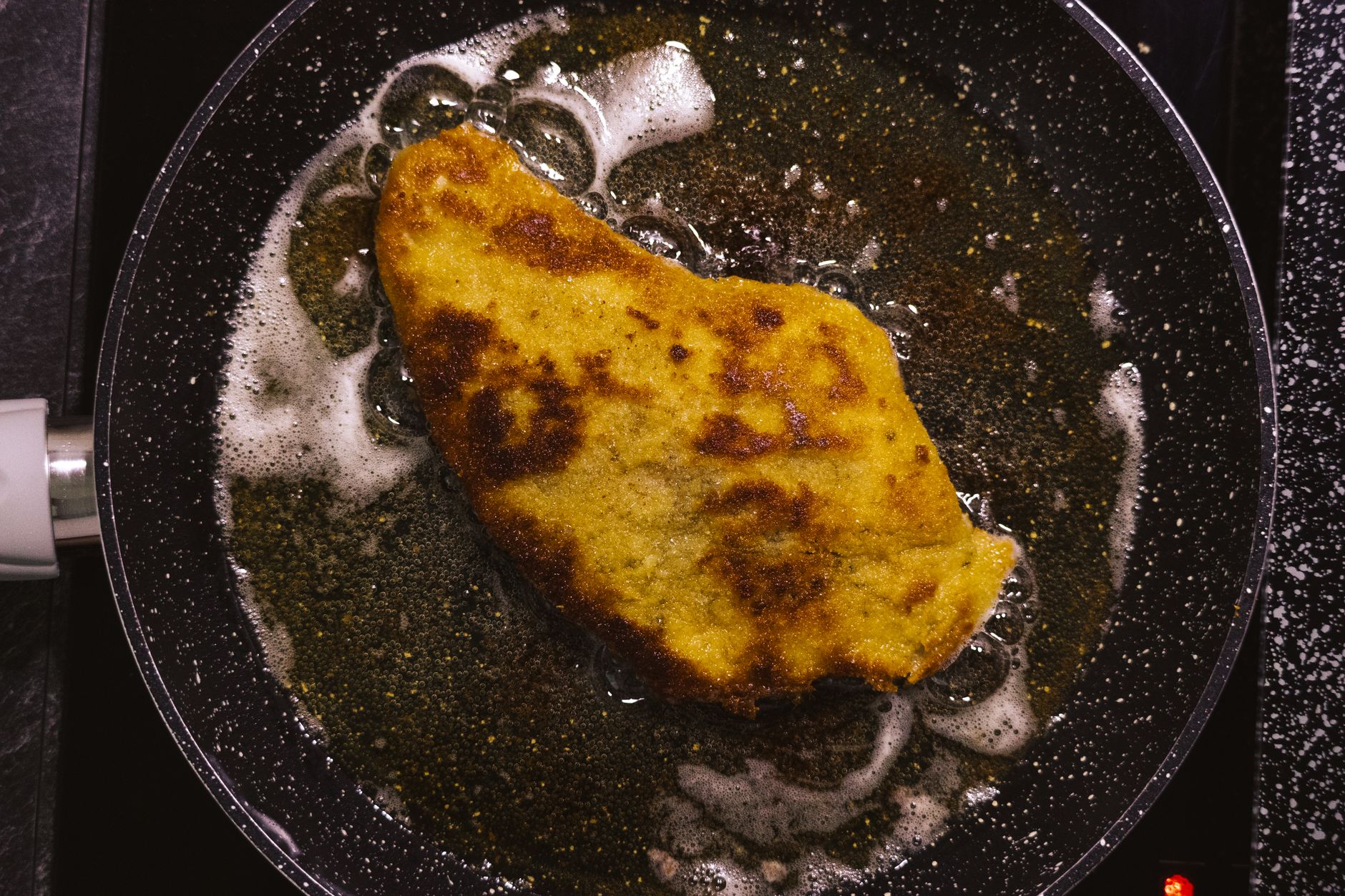
Brown butter, or beurre noisette, is a rich, nutty-flavored butter that adds depth and complexity to both sweet and savory dishes. The process involves gently cooking butter until the milk solids turn golden brown, which enhances its flavor profile significantly. In this article, you’ll learn how to make brown butter and explore its culinary uses.
This technique is simple yet transformative, elevating a variety of dishes from baked goods to pasta sauces. Whether you’re adding it to cookies or drizzling it over vegetables, mastering brown butter can enhance your cooking finesse.
How Do You Make Brown Butter?
To make brown butter, you only need butter and a saucepan. The process requires vigilance, as the milk solids in the butter go from melted to browned quickly. You’ll know your butter is ready when it gives off a nutty aroma and turns a deep golden brown.
Ingredients You Will Need
- Unsalted butter – 1 cup (2 sticks)
Essential Equipment
- Light-colored saucepan or skillet (to see the color changes easily)
- Wooden spoon or heat-resistant spatula
- Measuring cup
- Fine mesh strainer or cheesecloth (optional, for clarification)
- Heatproof container for storage
Steps to Prepare Brown Butter
- Cut the Butter: Start by cutting the unsalted butter into even-sized pieces. This ensures that the butter melts evenly.
- Melt the Butter: Place the butter in a light-colored saucepan or skillet over medium heat. Allow the butter to melt completely.
- Watch for Foam: As the butter melts, it will start to foam. This is the water content evaporating and is a normal part of the process. Stir occasionally.
- Notice the Color Change: Continue to cook, and keep an eye on the color. The liquid will start to turn a golden yellow.
- Smell the Nutty Aroma: After about 5-7 minutes, you’ll notice a nutty aroma being released. This is a sign you’re getting close to brown butter.
- Look for Browning: Once the color shifts to a deep amber and small brown bits appear at the bottom of the pan, remove the saucepan from the heat.
- Cool Down: Allow the brown butter to cool slightly before using or transferring. If desired, strain it through a fine mesh strainer or cheesecloth to remove the milk solids.
Flavor and Texture Profile
Brown butter has a rich, nutty flavor, reminiscent of toasted nuts or popcorn. The texture remains similar to that of regular melted butter, but the distinctive color is a deeper amber with brown speckles. This compound transformation makes it versatile for both sweet and savory dishes.
Using Brown Butter in Cooking
Brown butter can dramatically enhance various dishes. Here are some suggested applications:
- Baking: Use brown butter in cookies, brownies, cakes, and pastries for added depth.
- Pasta Dishes: Drizzle it over pasta or toss with sautéed vegetables for extra flavor.
- Risottos and Grain Bowls: Add to grain-based dishes for an umami boost.
- Vinaigrettes: Whisk into salad dressings for a unique twist.
- Vegetables: Use to sauté or roast vegetables for richer flavor.
Possible Substitutions and Variations
While unsalted butter is preferred for brown butter, there are alternatives you can use based on dietary preferences or taste:
- Salted Butter: You can use salted butter, but be mindful of the added salt in your overall dish.
- Plant-Based Butter: For a dairy-free option, try plant-based butters that are suitable for cooking.
- Clarified Butter: If you want a clearer liquid, you can use clarified butter, though it may lack some of the nuttiness.
Common Mistakes and Troubleshooting
Making brown butter seems straightforward, but certain pitfalls can occur. Here are common mistakes to watch for:
- Not Watching Closely: Brown butter can go from perfect to burnt quickly. Stay attentive!
- Incorrect Heat: Cooking at too high a temperature can lead to burnt butter. Stick to medium heat for the best results.
- Using Dark Cookware: Dark pans can obscure the color changes. Use lighter pans for better visibility.
How to Store Brown Butter
Brown butter can be stored for later use, making it a great ingredient to prepare in advance.
- Room Temperature: Allow it to cool completely, then store in a covered container. Use within 5 days.
- Refrigerator: Stored in a sealed container, brown butter lasts up to 2 weeks in the fridge.
- Freezer: For longer storage, brown butter can be frozen in ice cube trays or airtight containers for up to 3 months.
Reheating Brown Butter
If you’ve stored brown butter and want to use it again:
- Defrost in the refrigerator overnight if frozen, or place it in a microwave-safe container and microwave in short bursts until melted.
- When reheating on the stove, do so gently over low heat, stirring frequently to avoid burning.
Making Brown Butter Sauces
Brown butter can also serve as a delicious base for various sauces. Here are a couple of ideas:
Brown Butter Sage Sauce
This sauce pairs beautifully with pasta, gnocchi, or chicken.
- 1/2 cup brown butter
- 8 fresh sage leaves
- Salt and pepper to taste
- In a skillet, warm the brown butter over low heat until fragrant.
- Add the sage leaves, allowing them to sizzle and infuse the butter.
- Season with salt and pepper, then drizzle over your dish.
Brown Butter Maple Sauce
This delightful sauce is perfect for pancakes or waffles.
- 1/2 cup brown butter
- 1/4 cup maple syrup
- In a saucepan, combine brown butter and maple syrup over low heat, stirring until warmed.
- Drizzle over pancakes or waffles for a decadent breakfast.
Brown Butter in Desserts
Incorporating brown butter into desserts can create a unique flavor profile. Here are some options:
- Brown Butter Chocolate Chip Cookies: Substitute regular melted butter for brown butter in your favorite cookie recipe for a nutty twist.
- Pumpkin Brown Butter Cake: Add brown butter to pumpkin batter for enhanced richness.
Conclusion and Next Steps
Learning how to make brown butter opens up a world of flavor possibilities in your kitchen. Perfect it as a base for sauces, enhance baked goods, or simply drizzle it over vegetables for an added depth of flavor. The next time you’re in the kitchen, consider trying brown butter in your favorite recipes for a delightful twist.
If you’re interested in exploring more about cooking techniques, visit how to make clarified butter, or learn how to prepare caramel icing for your desserts. Enjoy cooking!