
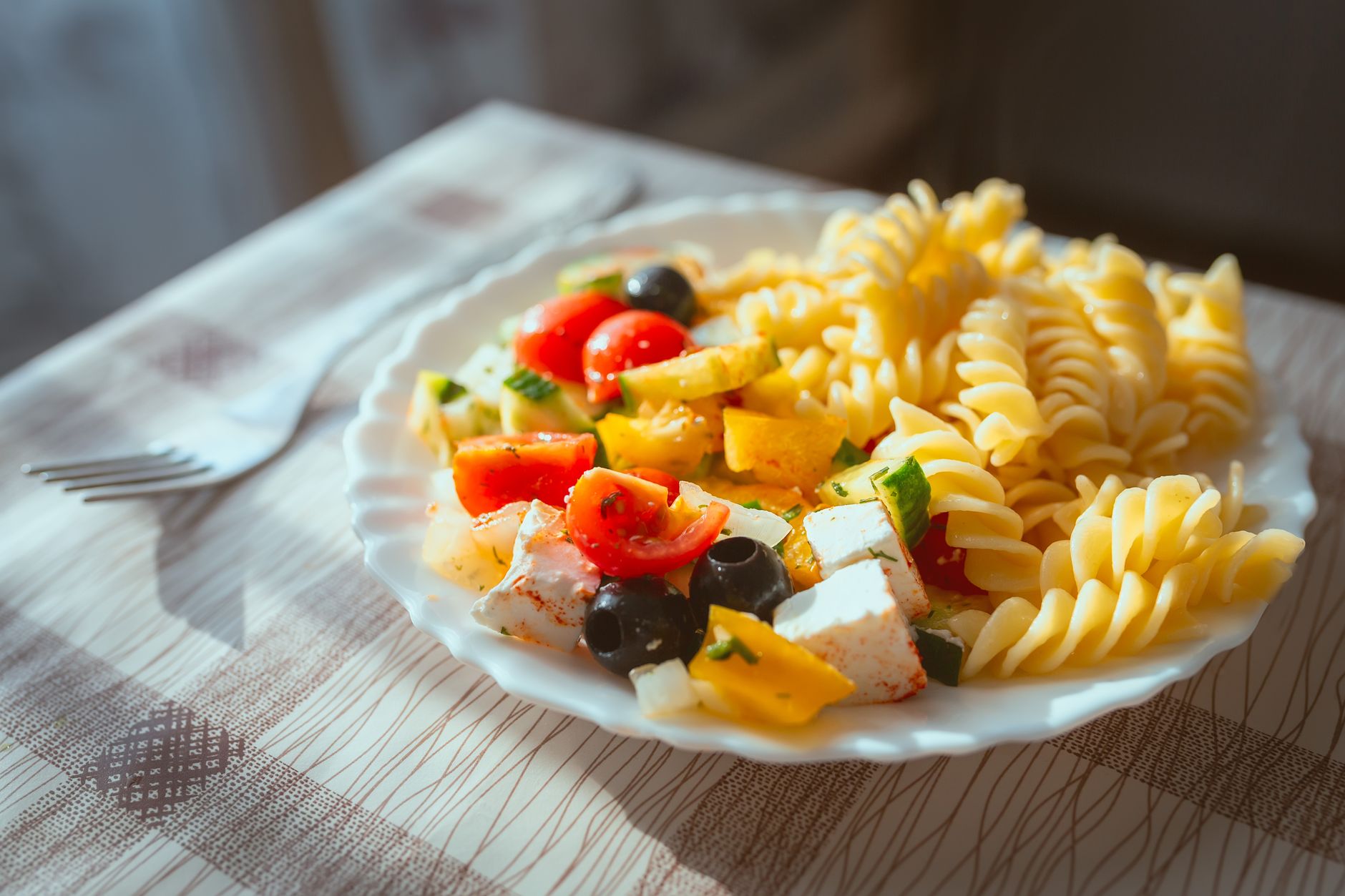
Pasta, a beloved staple in many diets worldwide, raises the question: Is it healthy for you? With varying opinions regarding its nutritional value, it can be helpful to take a closer look at pasta’s composition, health benefits, and the various types available. Understanding how to incorporate pasta into a balanced diet can help you enjoy this versatile food without compromising your health goals.
This article aims to provide a comprehensive overview of pasta’s nutritional facts, potential health benefits, and considerations, so you can make informed choices in your meal planning.
Is Pasta Healthy for You?
Yes, pasta can be healthy if consumed in moderation and paired with nutritious ingredients. Whole grain and legume-based pastas offer higher fiber and protein content, contributing to a balanced diet. It’s essential to consider portion size and toppings to maximize its health benefits.
Nutritional Profile of Pasta
The nutritional value of pasta can vary significantly depending on the type and preparation method. Here’s a breakdown of common pasta types and their nutritional profiles:
Regular Wheat Pasta
Standard pasta is made from refined wheat flour, which means it contains fewer nutrients compared to whole grain alternatives. A typical serving (about 2 ounces dry or 1 cup cooked) of regular spaghetti provides:
- Calories: 200
- Carbohydrates: 43 grams
- Protein: 7 grams
- Fat: 1 gram
- Fiber: 2 grams
- Sodium: 1 milligram
Whole Wheat Pasta
Whole wheat pasta is made from whole grain flour and retains more of the grain’s natural nutrients. A serving of whole wheat spaghetti typically contains:
- Calories: 180
- Carbohydrates: 37 grams
- Protein: 8 grams
- Fat: 1.5 grams
- Fiber: 6 grams
- Sodium: 1 milligram
Legume-Based Pasta
Legume-based pastas, such as those made from chickpeas, lentils, or black beans, offer a gluten-free alternative rich in protein and fiber. For example, a serving of chickpea pasta generally has:
- Calories: 210
- Carbohydrates: 32 grams
- Protein: 12 grams
- Fat: 4 grams
- Fiber: 6 grams
- Sodium: 15 milligrams
Health Benefits of Pasta
Pasta can be part of a healthy diet, offering several benefits when consumed in moderation and combined with nutritious ingredients. Here are some compelling reasons to enjoy pasta:
1. Energy Source
Pasta is primarily a source of carbohydrates, which are essential for providing energy to the body. Carbohydrates break down into glucose, fueling brain function and physical activity.
2. Nutrient-Rich Options
Choosing whole grain or legume-based pasta can significantly enhance your nutrient intake. These options provide essential vitamins and minerals, including B vitamins, iron, magnesium, and fiber.
3. Satiety and Digestive Health
The fiber found in whole grain and legume-based pastas promotes feelings of fullness and supports digestive health. A high-fiber diet can also help regulate blood sugar levels, making it beneficial for individuals with diabetes.
4. Versatility in Cooking
Pasta serves as a blank canvas for various toppings, allowing for diverse flavor profiles. By pairing pasta with nutrient-dense ingredients such as vegetables, lean proteins, and healthy fats, you can create a well-balanced meal.
5. Social and Cultural Aspects
Pasta is often associated with family meals and social gatherings, promoting connection and enjoyment through food. Sharing meals can contribute to mental well-being, making pasta a comforting choice.
Considerations for Healthier Pasta Consumption
While pasta can be part of a healthy diet, it’s essential to ensure that it’s consumed mindfully. Here are some considerations for healthier pasta consumption:
1. Portion Control
Many people tend to serve larger portions of pasta than recommended. A serving size of cooked pasta is about one cup (approximately 2 ounces dry). Monitoring portion sizes can help manage calorie intake.
2. Balance with Other Food Groups
To create a balanced meal, pair pasta with plenty of vegetables, lean proteins, and healthy fats. This approach enhances the dish’s nutrient value and helps maintain longer-lasting energy levels.
3. Choose Whole Grain or Nutritious Options
Opt for whole wheat or legume-based pasta whenever possible. These options provide more fiber and protein, supporting digestive health and promoting satiety.
4. Mindful Sauces and Toppings
Not all pasta toppings are created equal. Creamy sauces and heavy cheeses can add excessive calories and saturated fats. Instead, consider lighter options like tomato-based sauces, olive oil, or pesto, and complement these with plenty of vegetables.
5. Dietary Restrictions and Ingredients
Take into account any dietary restrictions, such as gluten intolerance or allergies. There are numerous gluten-free pasta alternatives available on the market made from rice, quinoa, or corn.
Cooking Techniques and Tips for Healthier Pasta Dishes
Knowing how to cook pasta properly and selecting healthy ingredients can enhance your dining experience. Here are some cooking techniques and tips for creating healthier pasta dishes:
1. Al Dente Cooking
Cooking pasta to al dente (firm to the bite) can increase its fiber content and lower the glycemic index, which helps regulate blood sugar levels. Follow the package instructions but begin tasting a minute or two before the recommended time.
2. Add Vegetables
Incorporating vegetables into pasta dishes not only adds flavor but also increases the nutritional value. Consider sautéing spinach, bell peppers, zucchini, or broccoli to create a colorful and vibrant meal.
3. Use Healthy Oils
When preparing sauces, use healthy oils like olive oil instead of butter or cream. A drizzle of high-quality olive oil can provide healthy fats while enhancing the dish’s flavor.
4. Experiment with Herbs and Spices
Instead of relying on heavy sauces for flavor, use fresh herbs, spices, or garlic. This technique enhances flavor without adding unnecessary calories.
5. Plan Meals Ahead
Meal prepping can simplify healthy eating, especially with pasta dishes. Cook a large batch of pasta and portion it out with a variety of toppings, sauces, and sides to create balanced meals throughout the week.
Common Mistakes to Avoid with Pasta
Improper cooking or serving techniques can detract from pasta’s health benefits. Here are common mistakes to avoid:
1. Overcooking Pasta
Cooking pasta for too long can lead to a mushy texture and increased glycemic index. Aim for al dente to maximize both flavor and health benefits.
2. Neglecting Portion Sizes
Filling your plate with pasta without considering portion sizes can lead to overeating. Use measuring tools, such as a food scale or measuring cups, to determine appropriate serving sizes.
3. Relying on Heavy Sauces
Heavy, creamy sauces can add unnecessary calories and unhealthy fats. Opt for lighter sauces made from fresh ingredients to enhance flavor while keeping the dish nutritious.
4. Focusing Solely on Carbohydrates
While pasta is a great source of carbohydrates, neglecting protein and fats can lead to an unbalanced meal. Be sure to pair your pasta with appropriate protein and healthy fats.
5. Forgetting Nutritional Variety
Relying on the same pasta type or dish repeatedly can limit your nutrient intake. Experiment with different pasta types and incorporate various ingredients to diversify your diet.
Storage and Reheating Tips for Pasta
Proper storage and reheating are crucial for maintaining pasta’s quality and safety. Here are some tips:
1. Storage Method
Store cooked pasta in an airtight container in the refrigerator for up to three to five days. Be sure to allow it to cool to room temperature before sealing.
2. Freezing Pasta
To freeze cooked pasta, spread it out on a baking sheet and freeze until solid. Once frozen, transfer the pasta to an airtight container or freezer bag for later use. It can be stored this way for up to three months.
3. Reheating Tips
When reheating pasta, add a splash of water or sauce to prevent it from drying out. Reheat in the microwave in short intervals, stirring in between, or warm it in a skillet over low heat until heated through.
Conclusion
Pasta can absolutely be a healthy component of your diet when consumed mindfully and balanced with nutritious ingredients. By choosing whole grain or legume-based varieties, considering portion sizes, and selecting light sauces, you can enjoy this beloved food while reaping its health benefits.
As you plan your meals, think about experimenting with various pasta types and toppings to keep your diet diverse and satisfying. For more information on different pasta options, check out our guide on what pasta is made of, or try our delicious Married Me Pasta recipe for a tasty meal idea.