
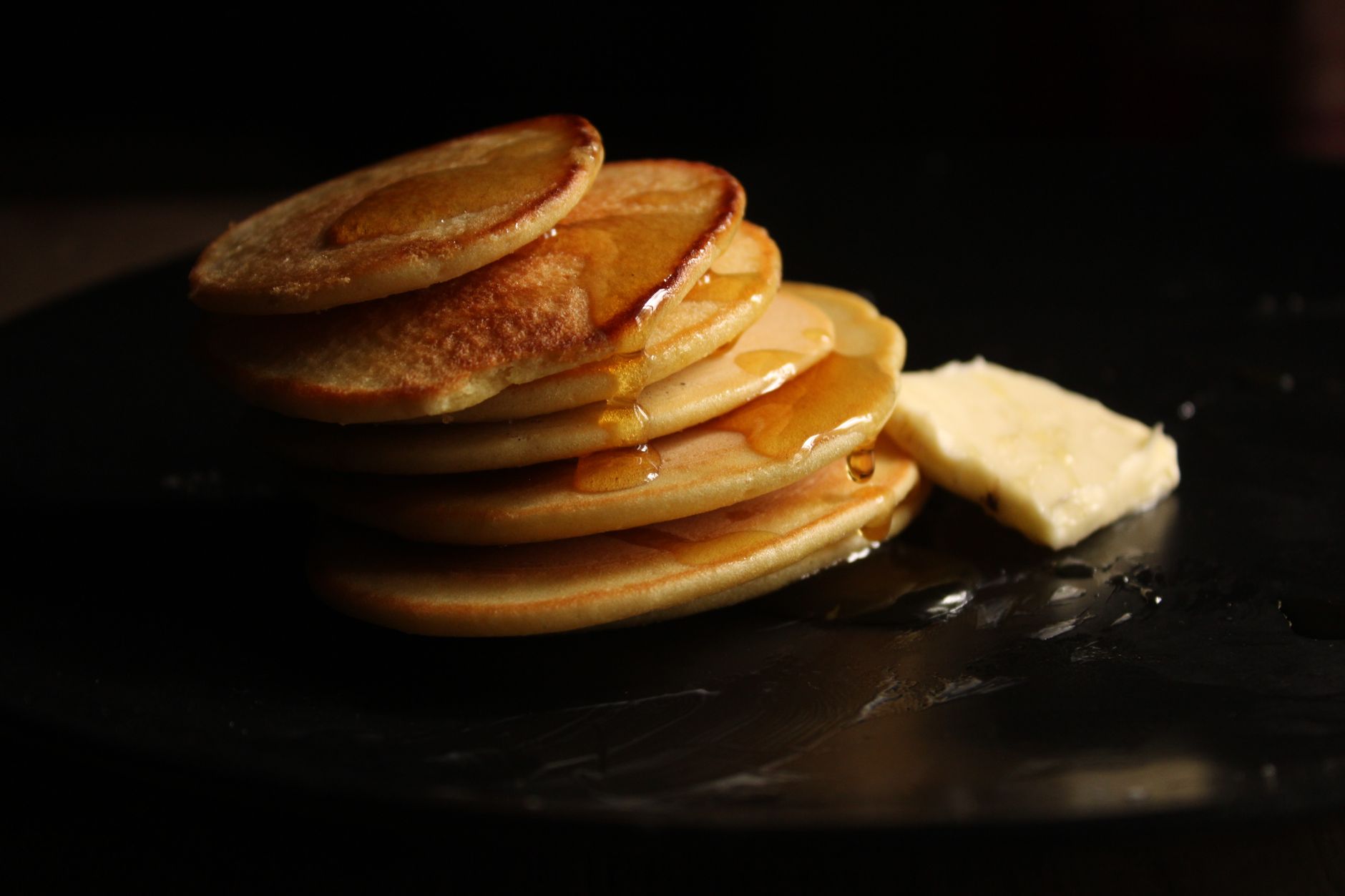
Buttermilk is a staple ingredient in many recipes, celebrated for its tangy flavor and ability to tenderize baked goods. If you’ve found a carton of buttermilk lurking in the back of the fridge past its expiration date, you might wonder: can you still use it? Understanding the nature of buttermilk, its shelf life, and how to use it effectively can help you make the most of this versatile ingredient.
In this article, we will explore whether expired buttermilk is safe to use, provide clues on how to determine its quality, suggest delicious recipes that utilize buttermilk, and offer practical tips for storage and substitutions. Let’s dive in!
Can You Use Expired Buttermilk?
Yes, you can use expired buttermilk if it shows no signs of spoilage. Buttermilk is a fermented dairy product that can last beyond its expiration date if stored properly. However, always sniff it first and check for off-putting textures before deciding to use it.
Understanding Buttermilk
Buttermilk is the liquid that remains after churning butter from cream. Traditionally, it is slightly sour due to fermentation with lactic acid bacteria. This unique tanginess makes it a key ingredient in many recipes, especially in baking, where it can help create a moist and tender crumb.
There are two main types of buttermilk available: traditional buttermilk, which is made from fermented cows’ milk, and cultured buttermilk, which is produced by adding specific cultures to milk. Most stores sell cultured buttermilk, which is more widely used in recipes. Because of its acidity, buttermilk can be used effectively in marinades, dressings, pancakes, biscuits, and cakes.
How Long Does Buttermilk Last?
Buttermilk typically has a shelf life of about two weeks beyond its expiration date if it is refrigerated. It’s important to note that the sell-by date mainly indicates how long the product is expected to retain its best quality. The USDA recommends that consumers use their senses to judge the product’s freshness beyond this date.
Signs That Buttermilk Has Spoiled
Before using expired buttermilk, you should inspect it closely for signs of spoilage:
- Smell: Fresh buttermilk has a pleasantly tangy odor. If it smells sour or off, it’s best to discard it.
- Texture: Normal buttermilk should be pourable. If it has curdled significantly or formed lumps, it may be spoiled.
- Color: Fresh buttermilk is usually white or cream-colored. Any unusual discoloration may indicate spoilage.
Using Expired Buttermilk in Recipes
If your buttermilk passes the sniff and texture test, feel free to use it in recipes. Here are some delicious ways to incorporate this tangy ingredient into your cooking and baking.
1. Classic Buttermilk Pancakes
Yield: Serves 4 | Preparation time: 10 minutes | Cooking time: 10 minutes | Total time: 20 minutes
These fluffy pancakes are a weekend brunch staple that never disappoints. Buttermilk adds both flavor and tenderness.
- 1 cup all-purpose flour
- 2 tablespoons sugar
- 1 teaspoon baking powder
- 1/2 teaspoon baking soda
- 1/4 teaspoon salt
- 1 cup buttermilk
- 1 large egg
- 2 tablespoons melted butter or oil
Essential Equipment:
- Mixing bowl
- Whisk
- Griddle or nonstick skillet
- Spatula
Steps:
- In a mixing bowl, whisk together the flour, sugar, baking powder, baking soda, and salt.
- In a separate bowl, mix the buttermilk, egg, and melted butter.
- Pour the wet ingredients into the dry ingredients and stir gently until just combined. Do not overmix; lumps are okay.
- Heat your griddle or skillet over medium heat and lightly grease it.
- Pour about a 1/4 cup of batter for each pancake onto the heated surface. Cook until bubbled on the surface, about 2–3 minutes.
- Flip and cook for an additional 1–2 minutes until golden brown. Serve warm with syrup.
2. Buttermilk Biscuits
Yield: About 10 biscuits | Preparation time: 15 minutes | Cooking time: 12 minutes | Total time: 27 minutes
Buttermilk biscuits are flaky, tender, and perfect for breakfast or as a side dish.
- 2 cups all-purpose flour
- 1 tablespoon baking powder
- 1/2 teaspoon baking soda
- 1/2 teaspoon salt
- 1/4 cup unsalted butter, chilled and cubed
- 3/4 cup buttermilk
Essential Equipment:
- Mixing bowl
- Pastry cutter or fork
- Baking sheet
- Parchment paper (optional)
Steps:
- Preheat your oven to 450°F (230°C). Line a baking sheet with parchment paper.
- In a mixing bowl, combine the flour, baking powder, baking soda, and salt.
- Cut in the cold butter using a pastry cutter or fork until the mixture resembles coarse crumbs.
- Stir in the buttermilk until just combined; be careful not to overmix.
- Turn the dough onto a floured surface and pat it gently to about 1-inch thickness.
- Cut out biscuits using a biscuit cutter or glass. Transfer to the baking sheet.
- Bake for 10-12 minutes or until golden brown. Serve warm.
3. Buttermilk Salad Dressing
This creamy dressing is perfect for salads or as a dip.
- 1/2 cup buttermilk
- 1/4 cup mayonnaise
- 1 tablespoon lemon juice or vinegar
- 1 clove garlic, minced (optional)
- Salt and pepper to taste
Steps:
- In a bowl, whisk together the buttermilk, mayonnaise, lemon juice, and garlic (if using).
- Season with salt and pepper to taste. Adjust lemon juice for more tang, if desired.
- Refrigerate for 30 minutes to let the flavors meld. Serve with greens or as a dip.
Practical Tips for Using Buttermilk
Storing Buttermilk
To maximize the shelf life of buttermilk, ensure it is tightly sealed and kept in the refrigerator. While some may consider freezing it, the texture may change after thawing, making it best for baking rather than drinking.
Substitutes for Buttermilk
If you find yourself without buttermilk, you can easily create a substitution or use other alternatives:
- Milk and Vinegar or Lemon Juice: For every cup of buttermilk, add 1 tablespoon of vinegar or lemon juice to 1 cup of milk. Let it sit for about 5-10 minutes until it thickens.
- Yogurt: Thin plain yogurt with a bit of milk (1 part yogurt to 1 part milk) can replace buttermilk.
- Sour Cream: This is another excellent substitute. Thin it with a little water or milk to achieve a similar consistency as buttermilk.
Common Mistakes to Avoid When Using Buttermilk
While cooking and baking with buttermilk, here are some common errors to steer clear of:
- Using expired or spoiled buttermilk: Always check for signs of spoilage before using any dairy product.
- Not adjusting the baking soda: Buttermilk adds acidity, which interacts with baking soda, so it’s important to adjust leavening agents when substituting it.
- Overmixing batter: This can lead to tough baked goods. Mix until just combined for the best texture.
Conclusion
Buttermilk is an incredibly versatile ingredient that can enhance the flavor and texture of many recipes. It remains usable beyond its expiration date, provided it shows no signs of spoilage. Utilizing buttermilk in pancakes, biscuits, salad dressings, and beyond can be a great way to reduce waste and elevate your meals.
Next time you encounter that carton of buttermilk sitting at the back of your fridge, go ahead and use it to create delicious dishes like buttermilk pound cake. For more information on food storage, check out guidelines like how long cottage cheese lasts after opening.