
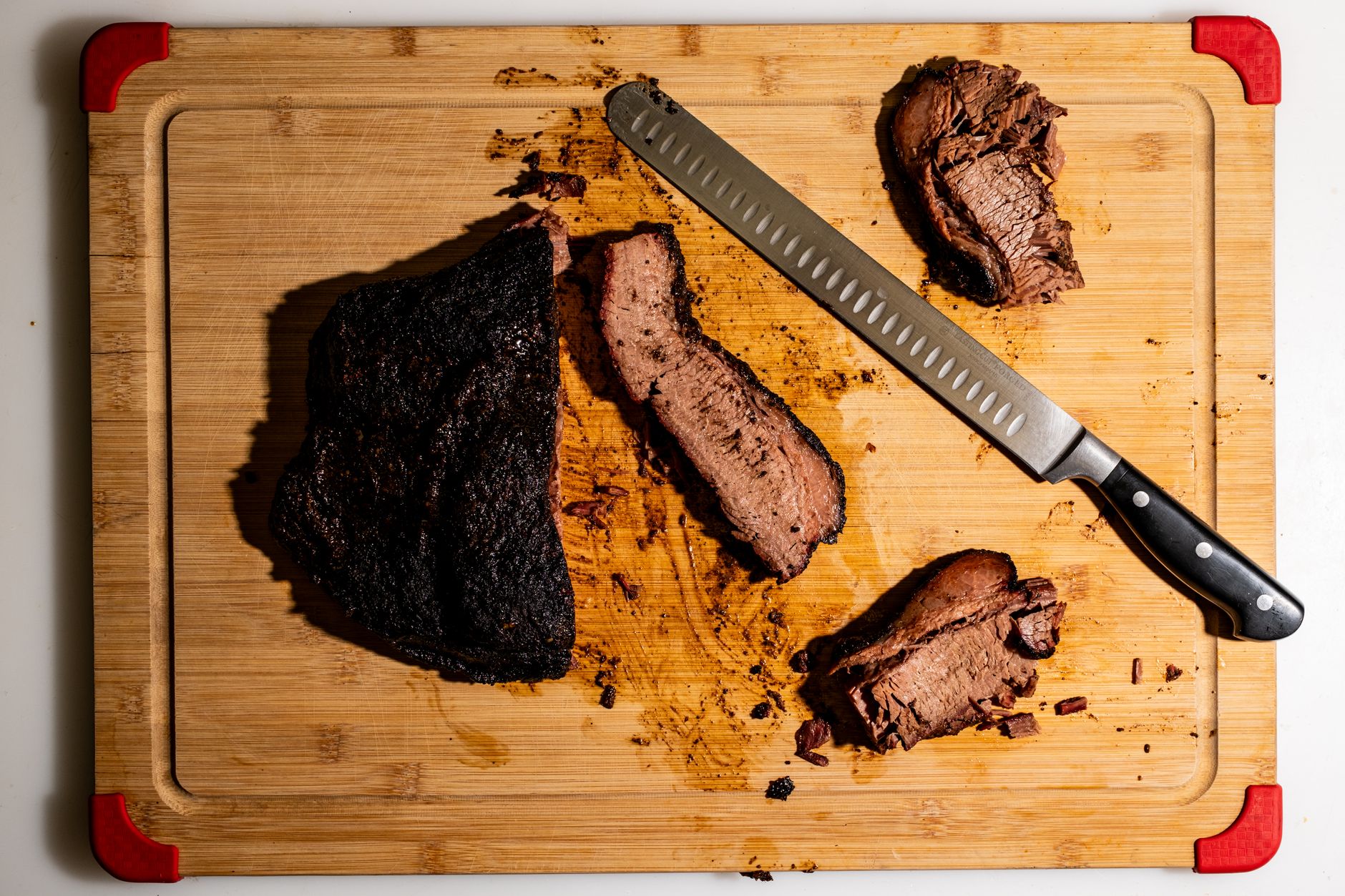
Brisket is a popular cut of meat that offers more than just rich flavor and tender texture; it also boasts a significant amount of protein. Many people enjoy brisket in various culinary applications, from barbecues to savory stews. Understanding how much protein is in brisket can help you incorporate this delicious meat into a balanced diet, especially for those monitoring their protein intake.
In this article, we will explore the protein content of brisket, factors that influence the amount, serving sizes, and its nutritional profile. This information can guide meal planning for those who want to include protein-rich foods in their diet.
How Much Protein in Brisket?
The protein content in brisket varies depending on the cooking method and cut. A typical 3-ounce cooked serving of brisket contains approximately 24 to 26 grams of protein. This figure can fluctuate based on factors such as the fat content and cooking method.
Understanding Brisket: Cuts and FAQs
Brisket is derived from the breast or lower chest of a cow and is known for its rich flavor and unctuous mouthfeel. It’s a tough cut due to the connective tissues, requiring slow cooking methods to achieve tenderness.
- **Flat Cut:** The flat cut, or first cut, is leaner, making it a healthier option. It generally has about 25 grams of protein per 3-ounce serving.
- **Point Cut:** The point cut, sometimes called the deckle point, has more fat, thus can be richer in flavor but contains more calories. It may have around 22 grams of protein per 3-ounce portion.
Common Questions About Brisket
- How much protein is in smoked brisket? Smoked brisket can have similar protein content, ranging from 24 to 26 grams per 3 ounces.
- Is brisket high in calories? Yes, brisket is calorie-dense, particularly due to its fat content. A 3-ounce serving may contain 250 to 300 calories.
- Can brisket be part of a healthy diet? Absolutely! When consumed in moderation and balanced with other nutrient-rich foods, brisket can be a healthy protein source.
Nutritional Profile of Brisket
Brisket not only provides a substantial amount of protein but also contains essential nutrients. Here’s a breakdown of the nutritional profile per 3-ounce serving of cooked brisket:
- Calories: 250-300
- Protein: 24-26 grams
- Fat: 18-22 grams
- Saturated Fat: 7-9 grams
- Cholesterol: 80-85 mg
- Sodium: Varies widely, up to 600 mg depending on processing
- Iron: About 2.5 mg
- Zinc: Approximately 5 mg
Cooking Techniques for Brisket
The method of cooking brisket greatly influences its flavor and texture. There are several popular techniques:
1. Brisket Smoking
Smoking brisket infuses it with a rich, deep flavor while also contributing to its tenderness.
- Smoker Temperature: Maintain a temperature between 225°F and 250°F.
- Cooking Time: Expect to smoke brisket for about 1 to 1.5 hours per pound.
- Internal Temperature: Aim for at least 195°F-205°F for tenderness.
2. Braising
Braising involves cooking brisket slowly in liquid, which helps break down tough fibers.
- Liquid: Use beef broth, beer, or wine for flavor.
- Cooking Time: Braise in a covered pan in the oven at 300°F for about 3-4 hours.
- Doneness: The meat should pull apart easily with a fork.
3. Oven Roasting
This method allows you to achieve a nice crust while keeping the inside moist.
- Oven Temperature: Preheat the oven to 300°F.
- Cooking Time: Roast for 1 hour per pound.
- Resting Time: Let it rest for 20-30 minutes before slicing.
Portion Sizes and Meal Planning with Brisket
When planning meals that include brisket, portion sizes are crucial for maintaining a balanced diet. A typical serving of brisket is about 3 ounces, but this can be adjusted based on individual dietary needs.
- **For Lean Protein:** Keep portions to 3 ounces, served with vegetables and whole grains.
- **In Sandwiches or Tacos:** Consider increasing to 4-5 ounces for heartier servings.
- **In Stews or Soups:** A 3-ounce portion is generally suitable, complemented by beans, veggies, or noodles.
Protein Combinations
If you’re looking to boost your protein intake, consider pairing brisket with other protein-rich foods:
- Beans: Adding black beans or pinto beans to a brisket chili raises protein levels.
- Nuts: Including crushed nuts in a brisket salad enhances texture and protein.
- Dairy: Serve with a side of cottage cheese for a balanced protein meal.
Recipe Ideas Featuring Brisket
Brisket can be used in various recipes. Here are some popular options:
Brisket Tacos
A delicious way to enjoy brisket is by shredding it and placing it in a tortilla with fresh toppings.
- **Ingredients:** 1 pound cooked brisket, corn tortillas, diced onions, cilantro, salsa.
- **Method:** Shred brisket, warm tortillas, and assemble with toppings. Serve fresh!
Brisket Chili
A comforting dish, brisket chili combines this protein-rich meat with beans and spices for robust flavor.
- **Ingredients:** 1 pound cubed brisket, onions, garlic, canned tomatoes, beans, chili spices.
- **Method:** Sauté onions and garlic, add brisket and brown, then simmer with tomatoes and beans for 1-2 hours.
Brisket Sandwiches
Slow-cooked brisket makes for excellent sandwiches, especially when paired with slaw and BBQ sauce.
- **Ingredients:** 1 pound sliced brisket, sandwich rolls, coleslaw, BBQ sauce.
- **Method:** Layer brisket and slaw on rolls, drizzle with sauce, and enjoy.
Common Mistakes and Troubleshooting
When preparing brisket, several mistakes can compromise its taste and texture. Here’s how to avoid them:
- Skipping the Rest Period: Always allow brisket to rest for at least 20 minutes before slicing to retain juices.
- Overcooking: Use a meat thermometer to check for proper internal temperature; avoid exceeding 205°F for tender results.
- Underseasoning: Brisket benefits from a good rub or marinade. Always season generously before cooking.
Storing and Reheating Brisket
Proper storage and reheating are essential for enjoying leftover brisket:
Storage Tips
- **Refrigerating:** Store leftovers in an airtight container in the refrigerator for up to 4 days.
- **Freezing:** Wrapped tightly, brisket can be frozen for up to 3 months.
Reheating Techniques
- **Oven:** Reheat in a covered dish at 325°F until warmed through.
- **Microwave:** Use a microwave-safe dish with moisture to prevent drying out; heat on medium power.
Conclusion
Brisket is not only a flavorful cut of meat but also a substantial source of protein that can fit well into many diets. Understanding its protein content, cooking methods, and proper serving sizes can enhance your dining experience and aid in meal planning. Pair brisket with nutrient-rich sides to create a balanced meal that satisfies your appetite and nutritional needs.
Explore more about the protein content in other foods, like how much protein is in spinach or the protein content in ground beef, to further expand your nutritional knowledge.